Tuesday, October 13, 2026

Best Hotels & Resorts in Jordan: A Complete Guide to Amman, Wadi Rum, the Dead Sea, and Jerash

Best Hotels & Resorts in Jordan | Amman, Dead Sea & Wadi Rum
The dramatic sandstone mountains and desert landscape of Wadi Rum, Jordan

1. Hotels and Resorts in Jordan: Choosing the Right Stay

Jordan offers a remarkable mix of accommodation experiences. Travelers can choose from modern city hotels, elegant resort properties, peaceful desert camps, boutique guesthouses, and practical family accommodation. The best option depends on the purpose of the trip, the planned itinerary, the preferred comfort level, and the available budget.

Some visitors want convenient access to restaurants, shopping areas, and cultural attractions. Others prefer a quiet setting beside the Dead Sea or a night under the stars in Wadi Rum. Travelers interested in ancient architecture may prefer accommodation that makes visiting Jerash and other archaeological destinations easier.

Browsing Hotels & Resorts in Jordan is a practical starting point for comparing accommodation options across the country. Rather than choosing a property based on photographs alone, compare its location, included services, guest policies, transport options, and total price.

What should you prioritize?

  • Location: Choose a property close to the attractions you intend to visit.
  • Comfort: Check room size, bedding, air conditioning, bathroom facilities, and noise levels.
  • Budget: Include taxes, breakfast, transfers, parking, and any additional resort fees.
  • Flexibility: Review cancellation deadlines and payment conditions before booking.
  • Guest suitability: Confirm family facilities, accessibility, and sleeping arrangements.

Accommodation types at a glance

Accommodation type Best for Main advantage Potential drawback
Luxury hotel Premium travelers and business guests Extensive facilities and professional service Higher nightly cost
Boutique hotel Couples and independent travelers Distinctive character and a more personal atmosphere Facilities may be limited
Family hotel Parents traveling with children Practical room layouts and family-oriented amenities Family rooms may sell out early
Desert camp Nature lovers and adventure travelers Immersive desert scenery and memorable nights Comfort and connectivity vary
Apartment or guesthouse Longer stays and independent visitors Flexibility and potentially lower costs Fewer hotel-style services

2. Hotels in Amman: Comfort, Convenience, and City Exploration

Amman is an excellent base for travelers who want urban convenience alongside Jordanian culture and history. The capital combines contemporary shopping districts, traditional markets, restaurants, museums, historic streets, and access to important archaeological sites.

When comparing Hotels in Amman, start with your daily itinerary. A centrally located hotel may reduce transport time when visiting downtown attractions, while accommodation in a modern commercial district may be more convenient for business meetings, shopping, and access to contemporary restaurants.

Which Amman neighborhood should you choose?

Downtown Amman

  • Suitable for travelers interested in traditional markets, local food, and historic landmarks.
  • Can provide access to several attractions without arranging long journeys.
  • Street noise, traffic, hills, and parking availability may affect the experience.

Modern commercial districts

  • Often suitable for business trips, shopping, and contemporary dining.
  • May offer larger hotels, modern rooms, meeting facilities, and fitness centers.
  • Some attractions may require a taxi or private transfer.

Quieter residential areas

  • Can suit longer stays and travelers seeking a calmer environment.
  • Apartment-style accommodation may provide extra space.
  • Check transport availability and the distance to restaurants and sightseeing areas.

Typical facilities in Amman hotels

  • Wi-Fi and workspaces for business travelers.
  • On-site restaurants, breakfast service, and room service at selected properties.
  • Fitness rooms, swimming pools, and wellness facilities at some upscale hotels.
  • Parking and airport transfer arrangements, depending on the property.
  • Family rooms, connecting rooms, or extra beds at participating hotels.

Estimated accommodation prices in Amman

Category Estimated price per room, per night Typical features
Budget accommodation US$25–60 Simple rooms and essential amenities
Mid-range hotel US$60–130 Private bathrooms, Wi-Fi, and more services
Upper mid-range hotel US$130–220 More spacious rooms and additional facilities
Luxury accommodation US$220–450+ Premium service and extensive amenities

These are illustrative planning ranges, not live quotations or guaranteed rates. Actual prices depend on travel dates, demand, room occupancy, taxes, and property availability.

Pros and cons of staying in Amman

Advantages

  • Wide choice of accommodation.
  • Restaurants and shops in many districts.
  • Useful transport connections.
  • Options for different budgets.

Things to consider

  • Traffic can slow journeys.
  • Some streets are steep.
  • Noise varies by neighborhood.
  • Not every attraction is walkable from every hotel.

For a first visit, compare Amman hotel options by neighborhood and transport convenience. Paying slightly more for a useful location can save time and travel expenses throughout the stay.

3. Hotels in Wadi Rum: Desert Camps and Scenic Retreats

Wadi Rum is one of Jordan's most distinctive destinations. Its vast desert valleys, red sandstone formations, dramatic mountain silhouettes, and changing light create an atmosphere very different from a conventional city break.

Choosing Hotels in Wadi Rum means deciding what kind of desert experience you want. Options range from simple camps with essential facilities to upscale accommodation featuring panoramic windows, private bathrooms, and carefully designed sleeping spaces.

Types of accommodation in Wadi Rum

Traditional desert camps

  • Offer a straightforward way to experience the desert environment.
  • May include communal areas, meals, and organized excursions.
  • Facilities vary considerably, so confirm bathroom arrangements and electricity access.

Panoramic or bubble-style accommodation

  • Designed to emphasize desert views and the surrounding landscape.
  • May offer private bathrooms, air conditioning, or transparent viewing sections.
  • Privacy, temperature control, and the actual view depend on the unit and its position.

Private luxury desert stays

  • Can suit couples, special occasions, and travelers who value extra privacy.
  • May include private terraces, personalized meals, or dedicated excursion arrangements.
  • Prices can rise substantially for premium units and private transfers.

What should a good Wadi Rum camp provide?

  • Clear directions: Ask where the meeting point is and whether a transfer into the desert is included.
  • Bathroom details: Confirm whether facilities are private or shared.
  • Temperature control: Desert temperatures can vary significantly between day and night.
  • Meals: Check which meals are included and whether dietary requirements can be accommodated.
  • Electricity and connectivity: Do not assume that every camp offers continuous power or reliable mobile service.
  • Excursions: Ask whether sightseeing trips are included or charged separately.

Estimated Wadi Rum accommodation prices

Stay type Estimated nightly price Best suited to
Basic desert camp US$25–60 Budget travelers
Comfortable camp US$60–130 Travelers seeking basic comforts
Premium panoramic camp US$130–280 Couples and scenic-stay enthusiasts
Luxury private unit US$280–500+ Special occasions and premium stays

Prices are approximate planning estimates. Meal packages, tours, transfer arrangements, seasonality, and accommodation specifications can change the total substantially.

Pros and cons of staying in Wadi Rum

Advantages

  • Distinctive desert scenery.
  • Excellent opportunities for stargazing.
  • Memorable overnight experiences.
  • Guided outdoor activities.

Things to consider

  • Facilities differ between camps.
  • Mobile coverage may be limited.
  • Transfers may require advance planning.
  • Outdoor temperatures can be extreme.

Travelers who want to wake up surrounded by sandstone mountains should compare Wadi Rum accommodation carefully. Read the full room description, check recent guest photographs, and verify whether advertised excursions are part of the booking price.

4. Hotels in the Dead Sea: Relaxation and Resort Comfort

The Dead Sea is an appealing choice for travelers who want a slower pace, expansive views, and resort facilities. The region is famous for its unusually salty water, mineral-rich surroundings, and dramatic landscape below sea level.

Compared with a busy city hotel or a remote desert camp, a Dead Sea resort often focuses on relaxation. Depending on the property, guests may find swimming pools, landscaped grounds, spa services, restaurants, beach access, and organized day trips.

Explore Hotels in Dead Sea when comparing resort locations, room categories, and facilities. Check whether the property has its own managed shoreline access or whether access requires additional arrangements.

What to look for in a Dead Sea resort

Private or managed shoreline access

Direct access can make a significant difference to convenience. Confirm the current access arrangements, opening times, and whether beach facilities are included in the room rate.

Swimming pools and relaxation facilities

Some resorts offer several pools, shaded seating, gardens, and wellness facilities. Review seasonal operating schedules and check which amenities are included in the booking.

Dining and meal packages

Resorts may have several restaurants or buffet services. If the property is distant from other dining options, compare meal packages before confirming your stay.

Family and couple-friendly rooms

Look for connecting rooms, family suites, quiet room locations, or private terraces depending on your needs. Confirm actual bed configurations rather than relying on room photographs.

Estimated Dead Sea accommodation prices

Category Estimated nightly price Typical experience
Simple nearby accommodation US$45–90 Essential facilities and a practical base
Mid-range hotel US$90–170 More services and comfortable rooms
Full-service resort US$170–320 Pool facilities and resort-style amenities
Premium resort or suite US$320–600+ Higher-end accommodation and additional services

These estimates are illustrative, not live offers. Weekend demand, room occupancy, holiday periods, and included meal packages can affect the final price.

Advantages and drawbacks

Advantages

  • Relaxing resort atmosphere.
  • Scenic surroundings.
  • Pool and wellness options.
  • Suitable for restful short breaks.

Things to consider

  • Premium properties can be expensive.
  • Dining away from resorts may require transport.
  • Hot weather can affect outdoor plans.
  • Not every property offers direct shoreline access.

For a comfortable retreat, compare Dead Sea resorts and hotels by their included facilities rather than their star category alone. A room with useful access, meals, and pool facilities may provide better overall value than a more expensive room with fewer included services.

5. Hotels in Jerash: A Convenient Base for History Lovers

Jerash is one of Jordan's most rewarding destinations for visitors interested in ancient architecture and archaeological heritage. Its remarkably preserved Roman-era streets, monumental arches, colonnaded avenues, and historic public spaces make it an attractive addition to a wider Jordan itinerary.

Travelers looking for Hotels in Jerash should consider how long they plan to spend exploring the area. A convenient overnight stay can make an early sightseeing visit easier, while visitors based in Amman may prefer a day trip depending on their schedule.

Accommodation options around Jerash

  • Local guesthouses: A practical choice for travelers who prefer a smaller property and a local atmosphere.
  • Small hotels: Useful for visitors who want private rooms and straightforward services.
  • Country stays: May appeal to travelers seeking quieter surroundings beyond the town center.
  • Amman accommodation: An alternative for travelers who prefer a larger selection of hotels and do not mind arranging transport.

Estimated Jerash accommodation prices

Accommodation category Estimated nightly price Potential benefit
Budget guesthouse US$25–55 Simple and practical overnight stay
Comfortable local hotel US$55–100 Private accommodation and essential services
Premium guesthouse or country stay US$100–180+ More space or a distinctive setting

These are broad planning estimates, not confirmed offers. Local availability and accommodation standards vary, so verify current facilities and reviews before paying.

Pros and cons of staying in Jerash

Advantages

  • Convenient for archaeological visits.
  • Can provide a quieter overnight experience.
  • Potential access to smaller guesthouses.
  • Useful for exploring northern Jordan.

Things to consider

  • Fewer accommodation choices than Amman.
  • Facilities differ significantly by property.
  • Transport planning may be necessary.
  • Luxury resort options are more limited.

Compare Jerash accommodation options with your planned sightseeing schedule. If you intend to visit several northern attractions, consider whether a longer stay or a central base will reduce unnecessary travel.

6. Jordan Hotel Price Comparison: Where Does Your Money Go?

The cost of accommodation in Jordan depends on location, room category, travel dates, demand, and included amenities. A budget room in a city is not directly comparable with a premium desert camp or a resort package that includes meals and recreational facilities.

Use the following table to create an initial budget before comparing actual properties.

Destination Budget estimate Mid-range estimate Premium estimate Best known for
Amman US$25–60 US$60–130 US$220–450+ City access and variety
Wadi Rum US$25–60 US$60–130 US$280–500+ Desert camps and scenery
Dead Sea US$45–90 US$90–170 US$320–600+ Resorts and relaxation
Jerash US$25–55 US$55–100 US$100–180+ Historical exploration

All prices are approximate illustrative ranges in US dollars per room or accommodation unit per night. They are not live rates, and the premium ranges are not directly equivalent across destinations. Verify the exact occupancy, taxes, meals, and cancellation terms before booking.

How to compare the real cost of a stay

  • Compare the total price for the entire stay rather than the headline nightly rate.
  • Check whether breakfast is included.
  • For desert camps, verify the cost of transfers, dinners, and excursions.
  • For resorts, check whether pool access, shoreline access, and meals are included.
  • For city hotels, account for parking and local transportation.
  • Review taxes and any additional charges shown during checkout.
  • Check the price for the correct number of adults and children.

Smart booking tip

A cheaper room is not always the least expensive option overall. If a more convenient property reduces transfers or includes breakfast, it may offer better value. Compare the complete trip cost before making a decision.

7. Best Hotels in Jordan for Families

Families often need more than a comfortable bed. Room configuration, convenient dining, safe access, quiet surroundings, and manageable travel times can make the difference between a stressful trip and an enjoyable one.

Amman is useful for families who want a range of accommodation categories and access to everyday services. Dead Sea resorts may suit families who prefer spending more time at one property. Wadi Rum can offer a memorable overnight experience, provided the camp meets the family's comfort and accessibility requirements.

Family-friendly features worth checking

  • Connecting rooms or family suites.
  • Verified bed sizes and extra-bed policies.
  • Breakfast options and children's meal availability.
  • Swimming pool rules, supervision requirements, and seasonal opening times.
  • Elevator access, stroller accessibility, and walking distances.
  • Quiet room locations and effective temperature control.
  • Flexible cancellation policies when travel plans may change.

Recommended destination match

  • For convenience: Compare family rooms in Amman.
  • For a resort break: Compare Dead Sea properties with the facilities your family will actually use.
  • For an outdoor adventure: Choose a Wadi Rum camp with clearly described bathrooms, meals, and transport arrangements.
  • For historical sightseeing: Consider Jerash if an overnight stay makes the planned itinerary easier.

Before reserving, confirm the maximum occupancy for each room. Some properties charge extra for additional guests, while others require families to book a larger room category. Never assume that a photograph showing several beds represents the room included in the displayed rate.

8. Luxury Hotels and Resorts in Jordan

Luxury accommodation in Jordan can mean different things in different destinations. In Amman, it may focus on polished service, spacious rooms, business facilities, restaurants, and wellness amenities. At the Dead Sea, the emphasis may be on resort facilities, pools, landscaped grounds, and a relaxing environment.

In Wadi Rum, premium accommodation often places greater emphasis on privacy and landscape views. A luxury desert stay can feel very different from a conventional city hotel, so the most useful comparison is between the specific services and room features included.

Luxury features to evaluate

  • Room size, bedding quality, sound insulation, and views.
  • Restaurant availability and the variety of dining options.
  • Swimming pools, wellness facilities, and opening hours.
  • Concierge assistance and private transfer arrangements.
  • Flexible check-in or check-out policies, when available.
  • Private outdoor space and the actual location of the room.
  • Transparent pricing for premium services and activities.

Is a luxury hotel worth the additional cost?

The answer depends on how much time you plan to spend at the property. Travelers who spend most of their day sightseeing may prefer a comfortable mid-range hotel in a convenient location. Guests planning a resort-focused break may get more value from a property with several facilities they intend to use.

For a special occasion, compare the total package rather than paying extra for a room category simply because it is labeled premium. A better view, useful transfer service, or included meal may matter more than an impressive list of amenities you will never use.

9. Boutique Hotels, Guesthouses, and Alternative Stays

Large hotels are not the only way to experience Jordan. Boutique accommodation and guesthouses can offer distinctive interiors, smaller common areas, and a more personal atmosphere. Apartments may be practical for longer stays, especially when additional space or basic kitchen facilities are important.

Who benefits most from alternative accommodation?

  • Independent travelers: Smaller properties can offer a relaxed base for exploring at an individual pace.
  • Couples: Boutique rooms may provide a distinctive atmosphere for a short getaway.
  • Long-stay visitors: Apartments can provide more room for everyday routines.
  • Small groups: Larger guesthouses may be worth comparing with several separate hotel rooms.
  • Budget-conscious visitors: A simple property with the right location may offer better value than a larger hotel.

Important checks before booking

  • Confirm the exact address and check-in procedure.
  • Verify whether reception is available around your arrival time.
  • Check cleaning arrangements and the availability of fresh towels.
  • Confirm internet access if you need to work remotely.
  • Review recent feedback about cleanliness, noise, and communication.
  • Make sure the cancellation and payment conditions are clear.

10. How to Choose the Right Jordan Hotel for Your Itinerary

The best accommodation choice often depends on the route you plan to follow. Moving between destinations takes time, and changing hotels every night may be less convenient than choosing a few well-positioned bases.

Option A: A city-focused visit

Travelers who prioritize urban attractions, dining, and shopping may prefer to spend several nights in Amman. This approach provides a stable base and reduces the need to unpack repeatedly.

Option B: A nature and desert trip

Visitors who want to experience Wadi Rum should allow enough time to reach the camp, participate in planned activities, and enjoy the surroundings. An overnight stay is generally more suitable for experiencing the desert after sunset than a rushed visit.

Option C: A relaxing resort break

A Dead Sea stay works well when the main goal is rest. Consider spending enough time at the property to enjoy the facilities instead of paying resort rates for a visit that leaves little time for relaxation.

Option D: A history-focused itinerary

Travelers interested in Jerash may choose a local overnight stay or arrange a visit from Amman. Compare transport arrangements, opening times, and the number of attractions planned for the day.

Travel style Suggested base Priority when booking
Business trip Amman Meeting location and transport
Family holiday Amman or Dead Sea Room configuration and useful facilities
Desert adventure Wadi Rum Camp facilities and included excursions
Relaxation break Dead Sea Resort amenities and shoreline access
Historical exploration Jerash or Amman Distance to archaeological attractions

11. When Is the Best Time to Book Hotels in Jordan?

Accommodation prices and availability vary throughout the year. Weather, holidays, weekends, major events, and seasonal travel demand can affect the selection of available rooms.

Spring and autumn are popular periods for many outdoor activities because temperatures can be more comfortable than during the hottest part of summer. However, demand can rise for desirable properties and popular travel dates, so checking availability early is sensible.

Seasonal booking considerations

  • Spring: Consider booking early for popular sightseeing dates and outdoor trips.
  • Summer: Check air conditioning, pool schedules, shade, and the timing of planned activities.
  • Autumn: Compare availability for popular destinations and weekends.
  • Winter: Review heating arrangements, weather conditions, and the operating status of outdoor facilities.
  • Public holidays and events: Verify local demand and cancellation conditions before making non-refundable bookings.

How to improve your chances of finding a suitable room

  1. Set your travel dates and preferred room type.
  2. Compare several properties in the same area.
  3. Check whether the rate includes breakfast and taxes.
  4. Compare refundable and non-refundable prices.
  5. Recheck the final booking details before payment.

12. Practical Tips for Booking Accommodation in Jordan

A successful hotel booking starts with the details that are easy to overlook. Photographs can make different properties appear similar, but the actual location, included services, room layout, and cancellation terms can vary significantly.

Check the location, not just the hotel name

Verify the property address and estimate the journey to your main attractions. A hotel described as being near a destination may still require a significant transfer, depending on the road network and exact location.

Read the full room description

Check the bed configuration, room size, view, bathroom type, air conditioning, and maximum occupancy. If a feature is essential, ask the property to confirm it in writing.

Understand cancellation terms

Flexible rates may cost more but can provide useful protection when travel dates change. Non-refundable bookings may offer savings, but the conditions should be understood before payment.

Review recent guest feedback

Look for repeated comments about cleanliness, staff communication, noise, maintenance, and the accuracy of room descriptions. Recent reviews are generally more useful for evaluating current conditions than isolated comments from many years ago.

Confirm transportation arrangements

Some accommodations are straightforward to reach by road, while remote camps may require a designated meeting point and a separate transfer. Confirm pickup times, luggage arrangements, and whether transport is included in the quoted price.

Keep your confirmation details accessible

  • Save the booking confirmation and property contact details.
  • Check the arrival date and check-in deadline.
  • Confirm the number of guests and booked room category.
  • Keep a record of any special requests accepted by the property.
  • Review the payment status and any outstanding balance.

13. Common Hotel Booking Mistakes to Avoid

Mistake 1: Choosing only by price

A low rate can be attractive, but it may exclude breakfast, transport, or other useful services. Compare the full cost and the location before making a decision.

Mistake 2: Assuming every room has the same facilities

Room categories within one property may differ in size, views, bathroom arrangements, and included amenities. Confirm the exact category shown on your reservation.

Mistake 3: Ignoring travel time

Frequent long transfers can add cost and reduce sightseeing time. Choose accommodation that supports your planned route instead of relying on broad distance descriptions.

Mistake 4: Booking a desert camp without checking the details

Ask about bathroom facilities, heating or cooling, electricity, meals, and transfer arrangements. These details can have a major impact on comfort in Wadi Rum.

Mistake 5: Overlooking the cancellation deadline

Read the policy carefully. A booking that appears inexpensive may be costly if your plans change and the rate cannot be refunded.

14. Frequently Asked Questions About Hotels in Jordan

Q1. Which destination is best for a first hotel stay in Jordan?

Amman is a practical starting point for many first-time visitors because it offers a broad selection of hotels, restaurants, shops, and transport options. The best choice still depends on your itinerary and whether you prefer a city stay, a desert experience, or a resort holiday.

Q2. How much does a hotel in Jordan cost per night?

Prices vary by destination, season, room category, and included services. Basic accommodation may start around US$25–60 per night in some locations, while premium resorts and luxury desert units can cost several hundred dollars. Always check current rates before booking.

Q3. Are there luxury resorts in Jordan?

Yes. Travelers can compare upscale city hotels in Amman, full-service resorts around the Dead Sea, and premium desert accommodation in Wadi Rum. Facilities and prices vary, so compare the specific amenities included in each offer.

Q4. Is Wadi Rum suitable for an overnight stay?

Yes, provided you choose accommodation that matches your comfort requirements. Check bathroom arrangements, electricity, temperature control, meals, and transportation before booking a desert camp.

Q5. What should I check before booking a Dead Sea resort?

Review the room price, meal arrangements, pool facilities, shoreline access, transfer options, and any extra charges. Confirm whether access to advertised amenities is included in the selected rate.

Q6. Is Amman a good base for visiting Jerash?

Amman can be a practical base for a day trip, depending on your itinerary and transportation. Travelers who want a slower schedule or more time in the northern region may prefer to compare overnight accommodation in Jerash.

Q7. Are family rooms available in Jordanian hotels?

Many properties offer family rooms, suites, connecting rooms, or extra beds, but availability differs. Confirm maximum occupancy, children's policies, and any additional charges before making a reservation.

Q8. What is the best way to compare hotel prices?

Compare the total cost for the same dates, number of guests, and room category. Check taxes, meals, transportation, cancellation conditions, and any additional fees rather than comparing headline prices alone.

Q9. Should I choose a hotel with breakfast included?

Breakfast can be convenient, especially when nearby dining options are limited or you plan to start sightseeing early. Compare the additional cost with what you would otherwise spend on breakfast outside the property.

Q10. How far in advance should I reserve accommodation?

For popular dates, holidays, and distinctive desert camps or resorts, booking early can provide a wider choice. For quieter periods, availability may be more flexible. Check the actual dates and cancellation terms before committing.

Q11. What facilities should I expect from a budget hotel?

Budget accommodation may provide a private or shared bathroom, basic furnishings, and essential services. Facilities differ, so verify cleanliness feedback, internet access, air conditioning, and the precise bathroom arrangement.

Q12. Are desert camps as comfortable as city hotels?

Some premium camps offer private bathrooms, climate control, and high-quality bedding. Others have simpler facilities. A desert camp provides a different experience, so compare its specifications with your personal comfort requirements.

Q13. What makes a hotel a good value?

Good value combines a suitable location, clean rooms, reliable service, useful facilities, transparent pricing, and fair booking terms. The cheapest rate is not always the best overall choice.

Q14. Can I combine city, desert, and resort accommodation on one trip?

Yes. A multi-stop itinerary can combine Amman, Wadi Rum, and the Dead Sea, with Jerash added when it fits your route. Allow enough travel time and check transfer arrangements before confirming each property.

Q15. Why should I read recent hotel reviews?

Recent reviews can reveal changes in maintenance, cleanliness, service, and facilities. Look for consistent patterns across multiple reviews rather than relying on one unusually positive or negative comment.

15. Final Comparison: Which Jordan Accommodation Should You Choose?

The right accommodation depends on the experience you want from your trip. Each destination offers a different combination of convenience, scenery, facilities, and potential cost.

Destination Ideal traveler Key selling point Important booking check
Amman Business guests, first-time visitors, families Variety and city convenience Neighborhood and transport
Wadi Rum Nature lovers, couples, adventure travelers Desert scenery and distinctive stays Facilities and transfers
Dead Sea Resort guests and relaxation-focused travelers Pool facilities and scenic surroundings Included amenities and shoreline access
Jerash History enthusiasts and independent travelers Convenient access to ancient sites Property standards and location

Take time to compare the accommodation options that match your itinerary, room requirements, and budget. Check current availability, confirm the final price, and review the property's terms before making a reservation.

Explore Accommodation Options in Jordan

Compare destinations and find accommodation that matches your travel plans.

Explore Hotels & Resorts in Jordan

Browse Hotels in Amman | Explore Wadi Rum

Compare Dead Sea Hotels | Find Hotels in Jerash

SEO Keywords

Hotels & Resorts in Jordan Hotels in Amman Hotels in Wadi Rum Hotels in Dead Sea Hotels in Jerash Jordan accommodation Luxury hotels in Jordan Family hotels in Jordan Jordan desert camps Dead Sea resorts Jordan travel accommodation

Saturday, October 10, 2026

How to Compare Hotels and Resorts in Egypt: An Expert Guide to Guest Services, Room Standards, Facilities, Dining and Overall Experience

How to Compare Hotels and Resorts in Egypt: An Expert Guide

How to Compare Hotels and Resorts in Egypt: An Expert Guide to Guest Services, Room Standards, Facilities, Dining and Overall Experience

An elegant empty hotel bedroom with a large comfortable bed, warm lighting, and modern interior design

Comparing hotels and resorts is not simply a matter of choosing the property with the highest rating or the most attractive photographs. Different accommodation options can offer very different experiences, even when their prices appear similar. One property may provide excellent room comfort and attentive service, while another may stand out for its facilities, dining arrangements, or location. Understanding these differences helps travellers make decisions based on their actual needs rather than promotional claims.

Egypt offers a broad range of accommodation, including city hotels, boutique properties, family-oriented establishments, and resorts designed for longer leisure stays. Each type has its own strengths, and the best option depends on how you plan to spend your time. A traveller exploring historic attractions may value convenient transport, while someone planning a relaxing break may care more about room comfort, outdoor spaces, and the quality of on-site services.

This guide explains how to compare accommodation systematically. It covers room standards, cleanliness, guest services, facilities, dining, location, family requirements, value for money, and the practical details that can influence a booking decision. The goal is to help you understand what a hotel offers, identify important differences between properties, and choose an option that fits your itinerary and expectations.

Comparison principle: Evaluate each property against the same criteria. A fair comparison considers what is included, how well the accommodation meets your requirements, and whether the complete experience justifies the total cost.

1. Define Your Priorities Before Comparing Properties

A useful hotel comparison begins with a clear understanding of your trip. Without defined priorities, it is easy to become distracted by features that look appealing but do not contribute much to your experience. A property with extensive recreational facilities may be unsuitable for a short business visit, while a compact city hotel may not provide the environment needed for a family holiday.

Decide what the accommodation must provide

Write down the essential requirements before browsing. These might include a convenient location, a particular bed arrangement, accessibility features, reliable internet, included breakfast, or a quiet room. Separate these requirements from preferences that would be pleasant but are not essential.

This distinction is important because some requirements cannot be compensated for by other advantages. A hotel may offer excellent dining and beautiful interiors, but if it cannot accommodate your group correctly, it may not be a practical choice. Similarly, a lower price is not a meaningful advantage if the property cannot meet an essential accessibility requirement.

Consider the length and purpose of your stay

Short stays often place greater importance on convenient transport, a straightforward check-in process, and a comfortable place to sleep. Longer stays may require more storage, a practical workspace, useful dining arrangements, and reliable housekeeping. Resort holidays often involve more time on the property, making the quality and availability of on-site facilities particularly important.

For an initial overview, compare available hotels and resorts in Egypt. Use your priorities to narrow the options instead of treating every property as equally suitable.

Establish a realistic budget

Set a budget based on the complete stay rather than the nightly headline price. Account for mandatory charges, meals, transport, parking, and any additional facilities you expect to use. This provides a more realistic basis for comparison and reduces the risk of choosing a property that becomes expensive after booking.

2. Compare Room Standards and Comfort

The guest room is central to the accommodation experience. Even travellers who spend most of the day sightseeing need a room that provides comfortable sleep, practical storage, adequate lighting, and functional facilities. When comparing rooms, consider both appearance and usability.

Room size and layout

Room size can affect comfort significantly, especially when several people share the same space. Check the stated floor area when available, the placement of the bed, the amount of storage, and whether there is room to move around with luggage. A well-planned room may feel more practical than a larger room with an awkward layout.

For families or longer stays, consider whether the room has enough space for everyday activities. A separate seating area can be useful when guests want to relax without sitting on the bed. Additional storage may also make it easier to keep belongings organised.

Bedding and sleeping arrangements

Confirm the type and number of beds included in the selected category. Descriptions such as double, twin, king, and family room can mean different things depending on the property. If the exact arrangement is important, ask for confirmation rather than relying on a general room label.

Comfort also depends on mattress condition, pillows, bedding, and noise levels. Recent guest feedback may provide clues about sleep quality, but individual preferences vary. One guest may prefer a firm mattress, while another may find the same mattress uncomfortable.

Lighting, outlets, and workspace

Good lighting helps guests read, work, organise belongings, and prepare for the day. Check whether the room offers bedside lighting and a practical general lighting arrangement. Travellers who use several devices may also want to consider the location of power outlets and whether a desk or table is available.

Bathroom condition

Bathroom design and maintenance are important parts of room quality. Compare the available information about shower facilities, water pressure, ventilation, storage, towels, and fixtures. Guests with accessibility needs should verify the exact bathroom arrangement with the property.

Room factor What to compare Why it matters
Floor area Room size and usable space Influences comfort and luggage storage
Bedding Bed type, number, and arrangement Ensures the room suits the group
Lighting Bedside lights and general illumination Supports practical everyday use
Bathroom Layout, fixtures, and accessibility Affects convenience and comfort
Temperature Air conditioning and ventilation Supports comfortable rest

3. Evaluate Cleanliness and Maintenance Separately

Cleanliness and maintenance are related, but they are not the same. A room can be cleaned thoroughly while still containing broken fixtures or worn equipment. Likewise, a newly renovated room may look attractive but still fall short of expected housekeeping standards.

Look for consistent cleanliness reports

Read recent guest reviews for specific comments about bedding, floors, bathrooms, dust, odours, and housekeeping. Detailed feedback is more useful than a broad statement that the property was either excellent or disappointing.

Look for patterns across several reviews. One complaint may reflect an isolated problem, but repeated reports of the same issue deserve more attention. Consider whether the feedback refers to the entire property, a particular room type, or a specific part of the building.

Assess the condition of fixtures and equipment

Check for repeated comments about malfunctioning air conditioning, inconsistent hot water, damaged furniture, faulty locks, poor lighting, or plumbing problems. These concerns may affect the practical quality of a stay even when the room looks attractive in photographs.

Understand housekeeping arrangements

Housekeeping schedules can vary by property and booking type. Confirm how often rooms are cleaned and whether additional towels or supplies are available on request. For longer stays, clear information about cleaning arrangements can help you understand what service to expect.

Consider how the property handles problems

No hotel can guarantee that every fixture will function perfectly at every moment. A more useful comparison considers whether the property responds appropriately when an issue occurs. Reviews describing timely repairs, clear communication, or reasonable alternatives can offer insight into how the hotel manages practical concerns.

Quality check: Assess cleanliness, maintenance, and service response as separate categories. This helps you identify whether a concern relates to housekeeping, the condition of the building, or the way a problem was handled.

4. Compare Guest Services and Staff Support

Guest service can influence the entire stay, from the first booking question to the final check-out. A property's facilities may be impressive, but unclear communication or difficulty resolving ordinary concerns can reduce the overall experience.

Communication before arrival

Consider how the property responds to questions about room arrangements, policies, arrival times, and included services. Useful communication should be clear, relevant, and consistent with the booking terms. A quick answer is helpful, but accuracy matters more than speed alone.

If you have an important requirement, ask a specific question. For example, rather than asking whether a room is suitable for a family, explain the number of guests and ask whether the selected room accommodates everyone under the property's rules.

Check-in and check-out

Clear arrival procedures can make a meaningful difference, particularly for travellers arriving late or following a long journey. Confirm the check-in time, any identification requirements, late-arrival arrangements, and whether early check-in can be requested.

Do not assume an early check-in or late check-out request is guaranteed. Ask whether it is confirmed, subject to availability, or associated with an additional charge.

Housekeeping and maintenance response

Guest service also includes what happens after a room has been assigned. If a guest reports a missing item or malfunctioning fixture, staff should provide clear information about the next steps. Reviews that describe the response to a problem can be more informative than general praise for friendly employees.

Consistency matters more than isolated praise

One positive interaction does not establish the standard of every department. Look for repeated feedback about reception, housekeeping, dining staff, and assistance with guest requests. Consistent reports provide a more balanced picture of the property's service culture.

Travellers comparing hotels in Cairo should consider service alongside location and room quality. A convenient address is valuable, but reliable communication and functional accommodation remain important throughout the stay.

5. Compare Facilities Based on Actual Use

Hotels and resorts often advertise a broad range of amenities, but the presence of a facility does not automatically mean that it will improve your trip. The facility should be suitable, maintained, accessible, and available under the terms of your booking.

Internet and connectivity

Internet access may be essential for business travellers, remote workers, and guests who rely on online reservations or digital travel information. Confirm whether Wi-Fi is available in guest rooms and whether access restrictions apply. If connectivity is central to your plans, ask the property for specific information rather than assuming that all rooms have identical service.

Air conditioning and temperature control

Temperature control can be particularly important during warmer periods. Check whether air conditioning is available in the selected room category and review recent feedback for recurring maintenance complaints. If comfortable room temperature is a non-negotiable requirement, confirm the arrangement before choosing an inflexible rate.

Swimming pools and leisure areas

For resort stays, leisure facilities can contribute significantly to the experience. Compare the types of facilities available, their operating schedules, access conditions, and whether additional charges apply. If a particular facility is the main reason for choosing the property, verify its availability for your travel dates.

Fitness and recreational facilities

Fitness areas, gardens, and shared recreational spaces may be useful for longer stays or guests who plan to spend time at the hotel. Check the opening hours, any access restrictions, and whether the facilities are included in the room price.

Parking and transport

Travellers driving to the property should confirm parking availability, cost, and access arrangements. Those relying on transfers should check the pickup location, timing, price, and cancellation policy. Do not assume that a service is included simply because it is common at similar properties.

6. Assess Dining Quality and Meal Arrangements

Dining can influence both convenience and overall cost. A hotel that offers suitable meal arrangements may make a trip easier, while unclear breakfast conditions or limited service hours can create unnecessary inconvenience.

Confirm what the rate includes

Check whether breakfast is included in the room rate and whether the selected package includes any other meals. Two apparently similar prices may cover different services. Comparing them without checking the meal arrangements can lead to an inaccurate estimate of the total cost.

Look at dining schedules

Dining hours should suit your itinerary. If you plan to leave early for sightseeing or return late from an activity, check whether the property offers suitable options. Confirm current schedules directly if a particular meal time is important to your plans.

Evaluate guest feedback carefully

Reviews can provide insight into food variety, service speed, dining-area cleanliness, and how staff respond to requests. Remember that tastes differ. A reviewer's preference for a particular cuisine or style of service may not match your own expectations.

Check dietary requirements before booking

If you have specific dietary needs, ask the property what it can accommodate. A general statement about restaurant variety is not a guarantee that every requirement can be met. Clear communication before arrival helps you make an informed decision.

Compare dining convenience with nearby options

For a city stay, nearby restaurants may offer flexibility. For a resort where guests expect to spend most of their time on the property, the hotel's own dining arrangements may matter more. Consider your likely schedule and compare the complete cost of the options available.

7. Compare Location and the Surrounding Area

Location affects travel time, transport expenses, access to attractions, and the atmosphere of a stay. A property should be evaluated according to the places you intend to visit, rather than a broad marketing claim that it is centrally located or close to everything.

Verify the exact address

Use a map to confirm where the hotel is situated. Compare the address with the attractions, workplaces, transport stations, or neighbourhoods you plan to visit. A property's name may refer to a broad district rather than the precise location of the building.

Estimate journey times realistically

Straight-line distance does not always reflect the time required to reach a destination. Roads, traffic, and transport availability can affect the journey. Build realistic travel time into your itinerary, especially when you have appointments or timed activities.

Assess the surrounding environment

Some travellers prefer lively streets with easy access to shops and restaurants. Others prefer quieter surroundings. Neither option is automatically better. Look for recent guest feedback about noise and convenience, and consider whether the immediate area suits your preferred travel style.

Compare the cost of convenience

A lower-priced hotel farther from your activities may increase transport spending. Estimate the cost of your expected journeys and compare it with the price difference between properties. This provides a more complete picture of value than room price alone.

For coastal accommodation, comparing hotels in Sharm El Sheikh should include the precise location, room category, on-site facilities, and the type of experience you want. Verify the actual distance to any attraction or facility that matters to your plans.

8. Compare City Hotels and Resort Properties Fairly

City hotels and resorts often serve different purposes. A fair comparison should consider the type of stay each property is designed to support. Comparing them only by the number of facilities or the size of the building can produce misleading conclusions.

City hotels

City properties are often evaluated by their location, transport convenience, room comfort, service, and access to everyday amenities. Guests may spend most of the day outside the hotel, making a convenient address and reliable check-in more important than a large range of leisure facilities.

Resorts

Resorts may be better suited to travellers who want to spend more time on the property. In that case, the condition of shared spaces, dining arrangements, recreational facilities, room comfort, and the atmosphere of the grounds may deserve greater attention.

Boutique properties

Boutique hotels may offer a distinctive design or a smaller-scale guest experience. However, style should not replace practical evaluation. Check the room size, available services, accessibility, and the exact facilities provided.

Apartment-style accommodation

Apartment-style properties may suit longer stays or travellers who value additional living space. Compare housekeeping, kitchen equipment, reception arrangements, and the availability of support services. The service model may differ from that of a conventional hotel.

Accommodation type Potential strength Important comparison points
City hotel Convenience for urban activities Location, transport, room comfort, service
Resort On-site leisure and longer-stay facilities Dining, recreation, grounds, room location
Boutique hotel Distinctive style and atmosphere Practical facilities, room layout, service consistency
Apartment-style property Additional living space Housekeeping, kitchen features, support arrangements

9. Evaluate Family Facilities and Sleeping Arrangements

Families often need more than a pleasant room. Sleeping arrangements, storage, practical access, and suitable facilities can affect the comfort of everyone travelling. A description such as “family-friendly” should be treated as a starting point rather than a complete guarantee.

Check occupancy rules

Confirm the maximum number of adults and children allowed in the selected room. Check the bed configuration and whether an extra bed or cot is available. Ask about any additional charges and whether the arrangement must be requested in advance.

Consider the room layout

Families may benefit from sufficient floor space, storage, a practical bathroom arrangement, and seating. If separate sleeping areas are important, confirm whether the room actually provides them rather than assuming that a family label implies separate bedrooms.

Review relevant facilities

Check whether the property offers the facilities you intend to use and whether any age-related rules apply. If a particular service is essential, contact the hotel before booking.

Compare total family cost

A larger room may have a higher price but could be more practical than booking separate rooms. Compare the total cost, occupancy limits, and actual layout before deciding which option provides better value.

When comparing hotels in Giza, families should also consider the daily itinerary and the transport arrangements required to reach their planned attractions. A suitable room is only one part of an effective accommodation choice.

10. Understand Guest Reviews and Ratings

Guest feedback is valuable because it can describe experiences that promotional material does not show. However, reviews should be interpreted critically. Individual travellers have different preferences, and a single rating rarely captures every aspect of a property's quality.

Prioritise recent information

Recent reviews may provide a better picture of current maintenance, service, and facility availability than comments written several years ago. Conditions can change following renovations, management changes, or adjustments to operating procedures.

Look for recurring themes

Several reviews describing the same issue may indicate a pattern worth investigating. Repeated comments about cleanliness, noise, or slow problem resolution deserve more attention than a single vague complaint.

Consider the reviewer's priorities

A traveller who values nightlife may appreciate a lively location, while someone seeking quiet may dislike the same surroundings. Think about whether the reviewer's needs resemble your own before applying their judgement to your decision.

Read management responses

Responses may reveal how a property communicates with guests and addresses concerns. A polite response does not prove that a problem has been resolved, but it can provide useful context. Look for clear explanations and evidence of practical follow-up where available.

Separate guest ratings from formal classification

A hotel's official classification and online guest rating measure different things. Classification may relate to specified facilities or service criteria, while guest ratings reflect individual experiences. Use both as supporting information rather than treating either as a complete verdict.

11. Calculate Value for Money Properly

Value for money is not the same as finding the lowest price. A hotel provides value when its verified benefits justify the complete cost for your needs. A more expensive property may be worthwhile if it offers a much more convenient location or facilities that you will use frequently.

Compare equivalent room rates

Use the same dates, occupancy, and length of stay for every comparison. Make sure that the selected room categories are reasonably similar. A standard room without breakfast should not be compared directly with a larger room that includes meals without accounting for the differences.

Include mandatory fees

Check taxes, service charges, deposits, and any other mandatory payments. Review the payment schedule and determine whether the displayed price represents the complete amount or only part of the cost.

Estimate additional expenses

Transport, meals, parking, and optional facilities can change the total cost substantially. Estimate these expenses using your expected itinerary. If you plan to use a facility regularly, verify whether it is included in the rate or requires separate payment.

Consider cancellation flexibility

Flexible booking terms may be valuable when plans are uncertain. A non-refundable rate may be cheaper, but it can create a greater financial risk if you need to change your trip. Read the actual policy and decide whether the savings justify the reduced flexibility.

Compare benefits against priorities

Do not pay extra for features you are unlikely to use unless they provide another meaningful benefit. At the same time, avoid choosing a cheaper property that fails to meet an essential requirement. A structured comparison helps reveal the real balance between price and practical value.

12. Compare Accommodation in Alexandria and Coastal Areas

Travellers visiting Alexandria may prioritise seaside surroundings, cultural attractions, convenient transport, or a relaxing city break. The right property depends on which of these elements matters most to the trip.

Verify the view and location

A hotel described as close to the waterfront may not offer a sea view from every room. If the view is important, check the exact room category and ask whether the feature is guaranteed or subject to availability.

Consider the length of the stay

For a short visit, location and a comfortable room may be sufficient. Longer stays can make storage, dining arrangements, housekeeping, and quiet surroundings more important.

Compare transport and local convenience

Check how easily you can reach the places on your itinerary and whether transport expenses will affect your budget. A property that is convenient for one part of the city may be less suitable if you plan to visit several different areas.

Compare available hotels in Alexandria by room standards, recent guest feedback, location, and the services included in the rate. Confirm the details that are important to your trip before completing the reservation.

13. Compare Resort Experiences in Sharm El Sheikh

Resort accommodation should be evaluated according to how much time you plan to spend on the property. When guests expect to use on-site facilities frequently, the condition, accessibility, and availability of those facilities can influence overall satisfaction.

Review the room's location within the property

Large resorts may have substantial distances between guest rooms, dining areas, reception, and recreational facilities. If walking distance, privacy, or quiet is important, ask about the location and characteristics of the available room category.

Verify facility availability

Check the operating schedule and access conditions for any facility that matters to your plans. Do not assume that every facility shown in promotional material is available during every season or included in every rate.

Consider dining convenience

If you expect to eat most meals at the resort, compare meal arrangements, dining schedules, and any restrictions that apply. Confirm whether your selected package includes the meals you expect to use.

Compare the overall atmosphere

Some travellers prefer a lively environment with a broad range of activities, while others value quieter surroundings. Recent guest feedback may help you understand the general atmosphere, although experiences can vary by room location and travel dates.

14. Check Accessibility and Special Requirements

Accessibility should be evaluated through specific details rather than broad marketing statements. Travellers may require step-free access, lifts, accessible bathrooms, particular doorway widths, or a convenient route between the entrance and their room.

Contact the property with a clear description of the feature you need. Ask whether it is available in the room category you intend to book and whether any part of the route creates an obstacle. If a particular feature is essential, request confirmation before paying.

Other special requirements may include particular bedding, a quiet room, or a specific arrival arrangement. Confirm whether the request can be guaranteed or is merely subject to availability. Retain written communication about important arrangements.

15. Identify Potential Booking Problems Before Paying

A careful comparison should identify uncertainty before it becomes a problem. Several warning signs deserve additional questions, especially when they concern the room, payment, or facilities.

Unclear room descriptions

If the bed arrangement, room size, occupancy limit, or included amenities are unclear, ask for clarification. Do not assume that photographs of one room represent every room in the same property.

Unexplained extra charges

Make sure you understand the complete payable amount. If a mandatory fee, deposit, or payment condition is unclear, request an explanation from the property or booking provider.

Repeated unresolved complaints

Several recent reviews describing the same serious maintenance or cleanliness problem should prompt further investigation. Consider the hotel's responses and whether the issue is likely to affect your stay.

Contradictory policies

If different pages appear to show different cancellation or payment terms, confirm which conditions apply to the exact rate you intend to reserve. Save the relevant booking information.

Before completing a reservation, verify:
  • The exact property and room category.
  • The correct dates and guest occupancy.
  • The total cost and payment schedule.
  • The cancellation and modification rules.
  • The availability of essential facilities.
  • Any special arrangements that are important to your stay.

16. Use a Hotel Comparison Scorecard

A scorecard can help you organise information about several properties. It does not produce a universal measure of quality, but it makes it easier to compare options using consistent criteria.

Choose a simple scale, such as one to five, and evaluate each property against the same factors. Base scores on verified details, recent reviews, and the requirements of your trip. If information is missing, mark it as unconfirmed instead of assuming the property meets the requirement.

Category Evidence to check Priority depends on
Room comfort Size, bedding, layout, temperature Length of stay and occupancy
Cleanliness Recent reviews and housekeeping details Essential for most travellers
Maintenance Equipment, fixtures, repair response Importance of reliable facilities
Service Communication and problem resolution Need for assistance during the stay
Location Address and travel time Daily itinerary
Facilities Availability, condition, and charges Planned use of amenities
Value Total cost and included benefits Budget and expectations
Booking conditions Cancellation, payment, and occupancy terms Flexibility of travel plans

A high overall score should not override a serious limitation. If a property cannot accommodate your group or meet an essential accessibility requirement, it should not remain the preferred choice merely because it performs well in other categories.

17. A Practical Pre-Booking Checklist

Before paying, review the essential details one more time. This final check can reveal missing information while you still have the opportunity to compare alternatives.

  • Confirm the property's full name and address.
  • Check the arrival and departure dates.
  • Verify the number of adults and children.
  • Read the exact room description.
  • Confirm the bedding and occupancy limits.
  • Check which meals are included.
  • Review mandatory taxes, fees, and deposits.
  • Understand the cancellation and modification policy.
  • Confirm the payment timing and method.
  • Verify essential facilities directly with the property.
  • Estimate transport time and costs.
  • Save the booking confirmation and contact details.

These checks may seem straightforward, but they help prevent common misunderstandings. A few minutes spent verifying the booking can make the difference between a clear reservation and an avoidable problem.

18. Frequently Asked Questions About Comparing Hotels

What is the best way to compare hotels?

Use the same criteria for every property: room comfort, cleanliness, maintenance, service, facilities, location, recent reviews, booking terms, and total price. Give greater weight to the factors that matter most to your trip.

Is a more expensive hotel always better?

No. A higher price may reflect additional facilities, a different location, or a larger room, but it does not automatically guarantee a better experience. Compare the verified benefits against your needs and budget.

How important are recent guest reviews?

Recent reviews can help you understand current room condition, maintenance, service, and facility availability. Read several detailed comments and look for repeated patterns rather than relying on one opinion.

Should I compare a city hotel directly with a resort?

You can compare their prices and basic standards, but consider their different purposes. A city hotel may prioritise location and convenience, while a resort may offer more on-site leisure facilities. Compare each property against the type of stay you want.

What matters most when comparing hotel rooms?

Focus on room size, bedding, layout, bathroom condition, temperature control, noise, and the amenities you need. Verify the exact room category rather than relying only on the hotel's general description.

How can I compare hotel value fairly?

Compare the complete cost for the same dates and occupancy. Include taxes, meals, transport, parking, optional facilities, and cancellation terms. Then assess whether the verified benefits justify the price.

What should families check before booking?

Confirm occupancy limits, bed arrangements, room space, extra-bed availability, relevant facilities, and any additional charges. Ask the hotel directly about requirements that are essential for your family.

How do I check whether a facility is included?

Read the selected rate's terms and the room description. If the wording is unclear, contact the property or booking provider and retain the answer before paying.

What should I do if hotel information is inconsistent?

Ask for clarification about the exact room, facility, payment condition, or policy that concerns you. If the answer remains unclear and the issue is important, compare another property before making a reservation.

Why should I compare booking conditions as well as facilities?

Cancellation rules, payment timing, and occupancy policies can have a significant financial effect. A hotel may offer attractive facilities, but unclear or unsuitable booking terms can make it a poor choice for your circumstances.

19. Final Verdict: Compare the Experience, Not Just the Price

Comparing hotels and resorts in Egypt becomes easier when you assess the complete guest experience. Start by identifying your priorities, then compare room standards, cleanliness, maintenance, service, facilities, dining, location, and booking conditions. Use recent guest feedback to understand recurring strengths and weaknesses, but consider the relevance of each comment to your own plans.

Do not assume that the most expensive property is the best or that a lower-priced room automatically represents better value. The strongest option is the one that meets your essential requirements, provides the services you expect, and offers a reasonable balance between comfort and total cost.

For city stays, pay particular attention to location, room functionality, and transport convenience. For resorts, examine the condition and availability of on-site facilities, dining arrangements, room location, and the atmosphere you prefer. For family and longer stays, verify occupancy, storage, practical room layout, and housekeeping arrangements.

Before booking, confirm important details directly and keep written records of essential arrangements. This is especially valuable when a room feature, facility, payment condition, or accessibility requirement will influence your decision.

Start your research by exploring hotel and resort options across Egypt, then narrow your shortlist using the same evaluation criteria. A consistent approach helps you make a more informed decision and establish realistic expectations for your stay.

Wednesday, October 7, 2026

Qatar Hotel Booking Strategy: A Complete Professional Guide to Choosing the Best Room, Location, Amenities and Stay Experience

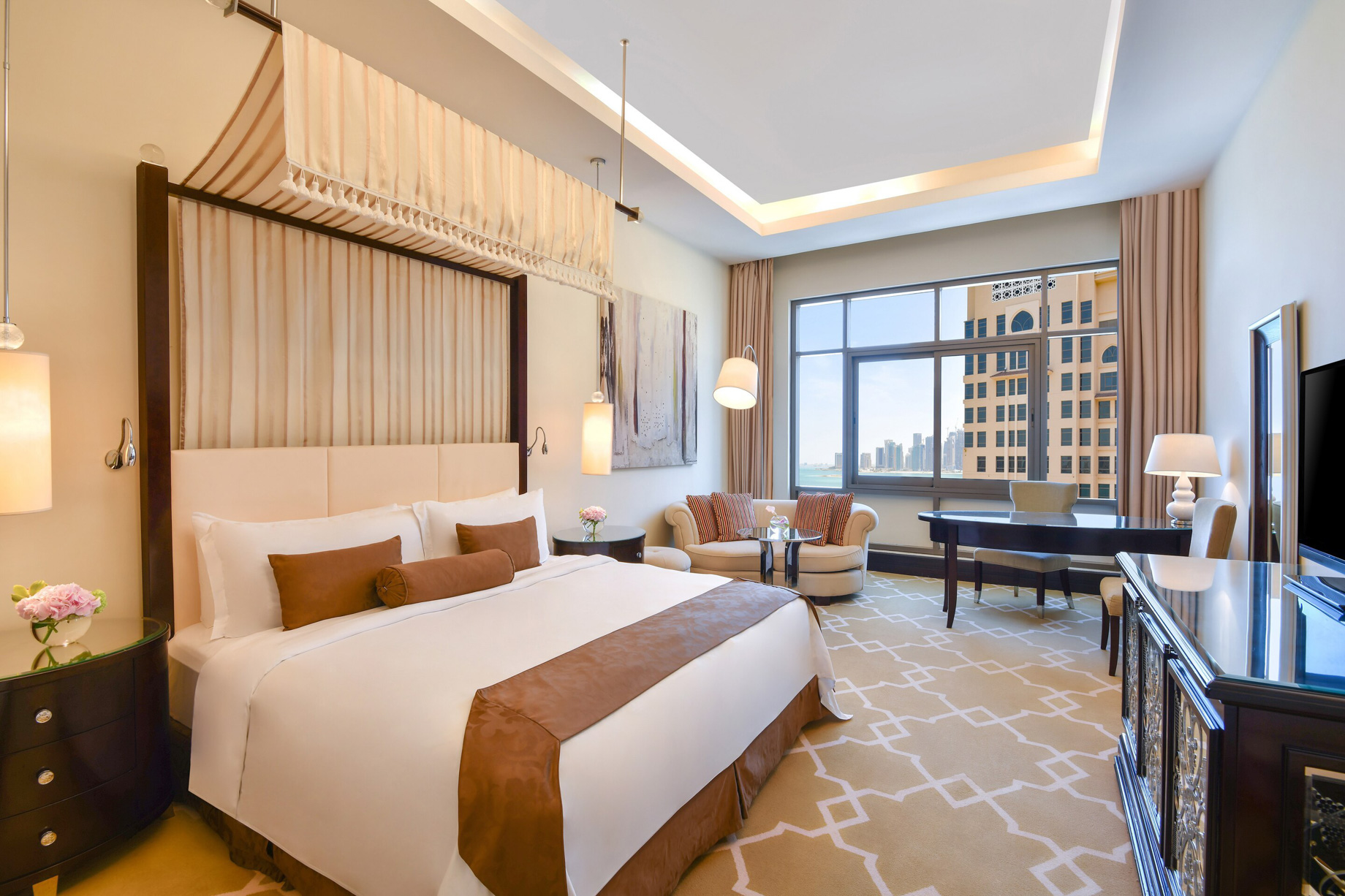
Luxury Qatar hotel guest room with king bed and city view

Choosing the right hotel in Qatar requires more than finding an attractive room at an appealing price. The strongest accommodation decisions come from understanding how location, room configuration, transportation, services, privacy, comfort, facilities and booking conditions work together. A professional approach evaluates the entire stay rather than judging a property from a single photograph, rating or headline price.

Define the Stay Before Comparing Hotels

The most efficient hotel selection process begins before searching for individual properties. Travelers should first define what the accommodation needs to accomplish. A hotel can be excellent in general and still be unsuitable for a particular trip because its location, room design or facilities do not match the traveler's actual requirements.

Start by identifying the purpose of the journey. A business visit usually emphasizes efficiency, workspace, connectivity and convenient transportation. A family holiday places greater emphasis on room size, sleeping arrangements, storage, bathroom convenience and access to everyday services. A leisure trip may place more importance on atmosphere, views, dining, relaxation and proximity to attractions.

Guests planning an extended stay should add another layer of consideration. A room that works perfectly for two nights may become inconvenient after a week if it has limited storage, insufficient workspace or no practical area for organizing belongings.

Travelers beginning their research across Hotels & Resorts in Qatar should therefore create a short requirements list before comparing prices. This simple step prevents attractive marketing features from distracting from the requirements that actually determine comfort.

Build a Personal Accommodation Brief

A useful accommodation brief can be extremely simple. Write down the number of guests, expected length of stay, preferred bed arrangement, approximate room size, essential facilities, preferred location, transportation method and maximum total budget.

Then divide the requirements into three categories: essential, desirable and optional. Essential requirements are conditions that cannot be compromised. Desirable features improve the experience but are not mandatory. Optional amenities are pleasant extras that should not control the decision.

This hierarchy is particularly valuable when comparing properties with different price points. It allows travelers to determine whether an upgrade solves an important problem or simply adds an attractive but unnecessary feature.

Location Is the Foundation of Hotel Value

Location has an influence on almost every other aspect of a hotel stay. It affects travel time, transportation costs, convenience, daily routines and the amount of time available for activities. For this reason, location should be evaluated before decorative features.

Travelers comparing Hotels in Doha should think about the location in relation to their actual itinerary. A hotel may be close to one important destination but inconvenient for everything else. Another property may sit slightly farther away while offering better overall access to the places the traveler intends to visit.

There are three useful levels of location analysis. The first is the broader district. The second is the immediate neighborhood around the hotel. The third is the hotel's connection to transportation routes. Evaluating all three provides a much more accurate picture than simply checking the distance between two points on a map.

District-Level Evaluation

At district level, consider what the surrounding area is designed for. Some areas are particularly convenient for business activities, while others are more suitable for leisure, shopping, dining or a quieter stay.

The ideal district depends on the itinerary. A business traveler with meetings concentrated in one area may gain substantial value from staying nearby. A leisure traveler with a broad itinerary may prefer a central position that provides balanced access to several destinations.

Immediate Neighborhood Evaluation

The streets immediately surrounding a hotel can influence the experience more than travelers expect. Access to restaurants, cafés, shopping, convenience stores and everyday services can make a longer stay easier.

For families, nearby practical services can be particularly useful. For business travelers, nearby dining options can reduce the need for transportation after a long day. For leisure travelers, walkable or easily accessible services can make spontaneous plans simpler.

Transportation Connections

A hotel should also be evaluated according to how easily guests can leave it. The quality of transportation access determines how useful the location actually is.

A traveler who intends to visit multiple areas should consider transportation flexibility from the beginning. Depending on the itinerary, Rent a car may provide additional freedom and make a hotel outside the busiest areas more practical.

Professional location rule: do not ask only, “Where is the hotel?” Ask, “How easily can I reach everywhere I need to go from this hotel?” The second question produces a much more useful comparison.

Room Size Is Important, but Layout Matters More

Room size is one of the most visible specifications in hotel descriptions, but square footage alone does not determine comfort. Two rooms with similar dimensions can feel completely different depending on furniture placement, walking paths, storage and the relationship between the sleeping and living areas.

A well-designed room provides clear circulation. Guests should be able to move around the bed, open luggage without blocking the main path and reach essential areas without navigating around furniture.

Families should pay particular attention to this issue because multiple guests create more movement and more belongings. Couples may be comfortable with a compact room if the layout is efficient. Business travelers need enough space around the workspace to use it comfortably.

Standard Rooms

Standard rooms can provide excellent value when the hotel is mainly a base for sleeping and preparing for the day. A traveler who spends most of the day outside may not need a large living area.

The important question is whether the room meets the essential requirements. A lower room category becomes poor value if it creates problems with sleeping arrangements, storage, working or personal space.

Premium Rooms

Premium room categories often provide additional space, better positioning or upgraded furnishings. They can be worthwhile when the additional feature solves a genuine need.

For example, a slightly larger room can be valuable for a week-long stay, while a better workspace can make a difference to a business traveler. A view upgrade can be valuable to someone who plans to spend significant time relaxing in the room.

Suites

Suites are particularly useful when separation is important. A separate living room can allow one guest to work while another rests. Families may find a divided layout easier to manage during different sleeping schedules.

However, the word “suite” should not be treated as a guarantee of a particular layout. Travelers should examine whether the living and sleeping spaces are actually separated and whether the configuration suits the intended use.

Choose the Right Sleeping Arrangement

Sleeping arrangements should be considered one of the primary hotel requirements, not a minor detail. A beautiful hotel cannot compensate for an unsuitable bed configuration.

Couples generally need to consider mattress comfort and bed width. Families may need multiple beds or additional sleeping options. Business travelers may prefer a large bed that provides maximum rest after a demanding day.

Guests should also consider whether the room allows enough space around the bed. Bedside tables, lighting and power outlets contribute to the practicality of the sleeping area.

Window coverings can also be important. Effective blackout curtains help guests maintain comfortable sleeping conditions, particularly when travel schedules differ from normal routines.

Bathroom Design and Daily Efficiency

Bathroom design can have a major influence on daily comfort. Travelers should look beyond photographs and consider how the space will function during busy mornings.

Families may benefit from larger counters, multiple sinks or additional bathroom facilities. Business travelers may prioritize an efficient shower and good lighting around the mirror. Longer-stay guests may value additional storage and a comfortable personal-care area.

The position of the bathroom can also matter. A thoughtfully designed room creates separation between the sleeping area and bathroom functions, allowing different guests to use the room without unnecessary disruption.

Practical observation: hotel bathrooms are used repeatedly throughout the stay. Small conveniences such as counter space, towel placement, lighting and storage can therefore have a greater impact on satisfaction than guests initially expect.

Workspace and Business Functionality

Many travelers now combine professional responsibilities with leisure travel. This makes the availability of a practical workspace valuable even when the trip is not primarily business-oriented.

A suitable workspace requires more than a small table. The chair should be comfortable, lighting should be sufficient, and power access should be convenient. Travelers working with multiple devices should consider whether the desk provides enough usable surface area.

Internet connectivity is equally important. A hotel can advertise Wi-Fi while still providing a connection that is unsuitable for demanding work. Travelers who depend on online meetings or cloud-based tools should treat connectivity as an essential requirement.

Noise Control

Quiet surroundings can be as important as the workspace itself. A room near busy public areas may be less suitable for concentrated work or online meetings.

Guests who value quiet should consider requesting a suitable room location. Proximity to elevators, service areas, restaurants or event spaces can affect the level of ambient activity.

Evaluate Facilities According to Actual Usage

Hotels frequently promote extensive facility lists, but travelers should not automatically assign equal value to every amenity. The correct question is whether the facility will be used often enough to influence the decision.

Essential Facilities

Comfortable sleeping arrangements, reliable climate control, dependable internet, practical bathrooms, secure access and suitable storage are relevant to almost every stay.

Preference-Based Facilities

Fitness areas, pools, lounges, premium dining options and recreational facilities become valuable when they match the traveler's routine.

A fitness-focused traveler may reasonably prioritize a well-equipped exercise facility. Another guest may never use it and prefer a better room or more convenient location instead.

The same principle applies to pools, lounges and other recreational spaces. Amenities should support the trip rather than inflate the booking cost without providing meaningful benefit.

Hotel Service Is Part of the Product

Accommodation is not simply a physical room. The quality of service influences the entire experience, from arrival to departure.

Efficient check-in reduces waiting and uncertainty. Responsive housekeeping maintains comfort. Clear communication makes special requests easier. Helpful staff can also make unfamiliar destinations simpler to navigate.

Business travelers often value predictability. Families may value practical assistance. Leisure travelers may appreciate useful local information. In every case, the quality of service should be evaluated as part of the overall hotel offering.

Comparing Hotels Beyond Doha

Doha offers a wide range of accommodation choices, but not every itinerary requires staying in the capital's busiest areas. Travelers should compare locations according to the destinations and activities included in their plans.

For some trips, Hotels in Al Wakrah may be worth considering because the location can offer a different accommodation environment and may fit particular travel plans.

The correct decision should be based on the relationship between the hotel and the itinerary. Staying closer to every destination is impossible when a trip covers multiple areas, so the goal should be to choose the location that minimizes unnecessary travel overall.

Transportation Planning Before Booking

Transportation should be integrated into hotel research rather than considered after the booking is confirmed. Travelers should know how they expect to move between the airport, hotel and major destinations.

Guests who plan to drive should consider parking availability and convenience. Those relying on other transportation should evaluate accessibility and expected travel times.

A rental vehicle can be particularly useful for flexible itineraries. Travelers should nevertheless calculate the complete cost and consider whether parking and daily driving are practical for their particular schedule.

Airport Arrival and Departure Planning

The first and last hours of a trip can influence the overall perception of accommodation. Travelers arriving after a long journey often benefit from simple access, efficient reception and a predictable check-in process.

Guests arriving before standard check-in should understand the property's luggage-storage arrangements and available early-arrival options. Travelers with early departures should also consider how easily they can arrange transportation and complete checkout.

These details may seem minor, but they become important when the itinerary is tightly scheduled.

Compare Total Cost Instead of Headline Price

The advertised nightly rate is only one part of the financial calculation. Travelers should determine the full cost of the stay, including applicable charges and optional services that they are likely to need.

When using a Booking service, compare the complete terms associated with each rate rather than selecting the lowest displayed number immediately.

Breakfast, parking, transportation, room upgrades and cancellation flexibility can all change the real value of a reservation.

Better comparison method: calculate the complete expected cost of each option, then compare what that cost provides. A higher nightly rate can represent stronger value when it eliminates other expenses or solves an important accommodation requirement.

Cancellation Conditions Matter

Travel plans can change for many reasons. A flexible rate can therefore have genuine financial value when dates are uncertain.

Travelers with completely fixed plans may decide that a restricted rate is appropriate if the savings are meaningful. However, guests should never select a non-flexible rate without understanding the consequences of changing the reservation.

The cancellation policy should be treated as part of the product, just like the room and facilities.

Accommodation for Short Business Trips

Short business trips reward efficiency. When there are only one or two nights available, travelers should prioritize location, sleep quality, workspace, internet reliability and transportation.

A hotel with extensive recreational facilities may provide little additional value if the guest leaves early in the morning and returns late at night. A comfortable, efficiently located room may be the better professional choice.

Breakfast timing can also matter. Guests with early meetings should confirm whether suitable food or dining arrangements are available at the required time.

Accommodation for Families

Family travel introduces several additional considerations. Parents should determine the number of guests, sleeping arrangements, room configuration and storage requirements before choosing a category.

Families should also consider daily routines. If children sleep earlier than adults, separate living space can become extremely valuable. If the family expects to spend much of the day outside, however, a simpler room may provide better financial efficiency.

Bathroom convenience is another important consideration. Multiple guests sharing one small bathroom can create unnecessary delays during busy mornings.

Accommodation for Couples

Couples often place greater emphasis on atmosphere, privacy, comfort and location. A pleasant room with a comfortable seating area may provide more value than a larger room with an inefficient layout.

The surrounding area can also influence the experience. Easy access to dining, attractions and leisure activities can reduce travel time and create more flexibility.

For couples who intend to spend significant time at the property, room view, natural lighting and overall design may deserve greater priority.

Accommodation for Extended Stays

Longer stays require a different definition of comfort. After several days, storage, workspace, laundry access, dining convenience and room organization become increasingly important.

A larger room or suite can provide additional value because it supports different daily activities. Guests can unpack properly, organize belongings and create a more comfortable routine.

Location also becomes more important during longer stays because repeated transportation costs and travel time accumulate. A convenient neighborhood can therefore provide significant practical value even if the room itself is not the most luxurious option.

Travelers researching longer itineraries can also consult The Travel Journal when organizing destination ideas and accommodation planning.

Privacy and Room Position

Room position can affect privacy and noise levels. Travelers who value quiet should consider the hotel's internal layout and the likely activity around the room.

Rooms near elevators can be convenient but may experience more foot traffic. Rooms near service areas can potentially experience additional operational activity. Guests who prefer maximum quiet may wish to request a location away from these areas.

Higher floors can sometimes provide different views and a greater sense of separation, while lower floors may offer faster access. The best option depends on the traveler's priorities.

Lighting and Atmosphere

Lighting has both functional and aesthetic importance. Natural light can make a room feel more spacious, while layered interior lighting supports different activities throughout the day.

Business travelers should examine desk lighting. Leisure travelers may prefer softer ambient lighting. Bedside lamps and easily accessible controls can improve the overall usability of the room.

The best hotel interiors balance visual design with practical function.

Storage and Luggage Management

Storage becomes increasingly important as the length of the stay increases. A room can appear spacious before luggage is unpacked but become difficult to navigate afterward.

Travelers should consider wardrobe capacity, drawer space, luggage placement and the availability of surfaces for personal belongings. Families should give this issue particular attention because multiple guests quickly increase storage requirements.

Business travelers may also need hanging space for professional clothing and safe storage for equipment.

Technology and Charging Convenience

Modern hotel rooms increasingly need to support several personal devices. Convenient electrical outlets near the bed and desk can make a noticeable difference.

Travelers working remotely should also consider the position of power outlets relative to the workspace. A beautiful desk that requires cables to stretch across the room is less functional than a simple workspace designed around actual use.

Technology should ultimately make the stay easier rather than create additional complexity.

Safety and Responsible Hotel Selection

Guests should include basic security considerations when comparing accommodation. Controlled access, secure room doors, suitable lighting and clear emergency procedures are all useful indicators of responsible hotel operation.

Travelers carrying professional equipment may also benefit from an in-room safe. Families should understand the location of emergency exits and basic property procedures.

These considerations do not need to dominate the booking decision, but they should be part of a complete professional assessment.

Dining and Daily Convenience

Dining access can influence the practicality of a hotel. Guests with demanding schedules may value convenient on-site dining, while leisure travelers may prefer exploring restaurants in the surrounding area.

Breakfast is often particularly useful for families and business travelers because it simplifies the start of the day. However, travelers should compare the breakfast cost with their actual routine rather than automatically paying for it.

Nearby food options can also be valuable during extended stays, particularly when guests want variety without traveling long distances.

How to Use Reviews Professionally

Guest reviews can provide useful information, but they should be analyzed rather than accepted without context. A single negative comment does not necessarily indicate a recurring problem.

Repeated observations are more useful. If multiple guests independently mention the same issue with noise, cleanliness, room size or service, that pattern deserves attention.

Travelers should also consider whether the reviewer's priorities match their own. A guest who wants a lively atmosphere may praise characteristics that another traveler considers inconvenient.

Cleanliness and Maintenance Standards

Cleanliness is a basic requirement for accommodation. Beyond visible cleanliness, guests should consider maintenance because a well-maintained property tends to provide a more reliable experience.

Functional lighting, air-conditioning, plumbing, furniture and fixtures all contribute to comfort. A room can have beautiful décor but still feel disappointing if essential systems are poorly maintained.

For longer stays, maintenance becomes even more important because guests interact with the room repeatedly.

Understand the Difference Between Luxury and Value

Luxury and value are not identical. A luxury property may offer exceptional design and service, but the traveler must determine whether those advantages are relevant to the trip.

Value means receiving meaningful benefits for the total amount spent. A moderately priced hotel can offer outstanding value if it meets the traveler's priorities, while an expensive room can offer weak value if its premium features remain unused.

This distinction allows travelers to spend more intelligently. Instead of paying for everything, pay for the features that genuinely improve the stay.

When a Room Upgrade Is Worth Paying For

A room upgrade should ideally solve a specific problem. Additional space is valuable for families and longer stays. Better workspace can benefit business travelers. A separate living area can improve privacy.

Upgrading simply because a room is labeled “premium” is less compelling. Travelers should compare exactly what changes between categories and decide whether those differences justify the additional expense.

Creating a Professional Hotel Shortlist

A shortlist of three to five suitable properties is generally easier to analyze than a long list of options. Begin by eliminating properties that fail essential requirements.

Next, compare the remaining hotels using the same categories: location, room, service, facilities, transportation and total cost.

A useful shortlist can include a practical option, a balanced option and a premium option. This structure makes the price differences easier to understand and shows what additional spending actually provides.

Hotel Comparison Scorecard

Category Key Question Importance
Location Does the property reduce unnecessary travel? Very High
Room Does the layout support the daily routine? Very High
Sleeping Are the bed and sleeping arrangements suitable? Very High
Workspace Can guests work comfortably if required? Medium to High
Facilities Will the traveler actually use them? Medium
Service Does the property appear reliable and responsive? High
Transportation Is daily movement practical? High
Total Cost Does the final price match the benefits? Very High

Common Hotel Selection Mistakes

Choosing the Lowest Rate Automatically

The cheapest room can create additional costs through transportation, meals, parking or necessary upgrades. Compare the complete stay instead of the initial price.

Choosing a Hotel Only Because of Photographs

Professional photography presents the property at its best. Travelers should also examine room layout, practical features and location.

Ignoring the Daily Itinerary

A hotel should support the itinerary. Choosing accommodation first and planning the trip around it can create unnecessary travel.

Overpaying for Unused Facilities

Extra amenities have value only when the traveler uses them. Prioritize facilities that support the actual trip.

Ignoring Cancellation Terms

A lower rate can become expensive if plans change. Always understand the reservation conditions before confirming.

Ignoring Storage

Storage becomes especially important for families and extended stays. Consider how the room will function after luggage is unpacked.

Build a Better Booking Routine

A professional booking routine can be completed in several stages. First define the trip. Second choose the most suitable area. Third establish essential room requirements. Fourth compare a small number of suitable properties. Fifth calculate the complete cost. Finally review the reservation conditions before confirming.

This process is much more efficient than repeatedly searching without a clear framework. It reduces decision fatigue and keeps the focus on measurable requirements.

Travelers can also use a dedicated The Travel Journal resource to support broader planning and destination research.

How to Evaluate a Hotel After Narrowing the Options

Once the shortlist is established, compare the options according to the features that matter most. If two hotels are equally convenient, compare room quality and service. If room quality is similar, compare the complete price and cancellation conditions.

Do not allow one impressive feature to dominate the entire decision. A spectacular view may not compensate for an inconvenient location, and a low price may not compensate for a poor room layout.

The final choice should be the property that delivers the strongest overall balance.

Planning for Different Travel Durations

The ideal hotel can change according to the length of the trip. One-night stays prioritize efficiency. Three- or four-night stays allow more attention to facilities and atmosphere. Extended stays place increasing emphasis on storage, workspace, neighborhood convenience and room flexibility.

This is why hotel recommendations should always be connected to trip duration. A room that is excellent for a short visit may not be ideal for a longer one.

How to Balance Comfort With Budget

Budget planning does not mean choosing the cheapest property. It means allocating spending where it creates the most meaningful benefit.

For some travelers, spending more on location reduces transportation time. For others, a larger room improves family comfort. Business travelers may prefer investing in workspace and reliable connectivity.

The key is to identify which upgrade has the highest practical return before spending more.

Final Decision Checklist

Before confirming a hotel, review the following questions:

Location: Is the hotel positioned appropriately for the itinerary?

Room: Is the room size and layout sufficient?

Bed: Does the sleeping configuration suit every guest?

Bathroom: Will the bathroom support the daily routine?

Workspace: Is there enough room to work if needed?

Storage: Is there enough space for luggage and belongings?

Transportation: Can guests move easily between the hotel and key destinations?

Facilities: Are the important amenities actually included?

Price: What is the complete expected cost?

Policy: Are cancellation and reservation conditions acceptable?

Frequently Asked Questions About Hotel Selection in Qatar

What is the most important factor when choosing a Qatar hotel?

For most travelers, location is one of the most important factors because it influences transportation, time and convenience throughout the stay. However, the best choice also depends on room requirements and the purpose of the trip.

Should I prioritize location or hotel quality?

The ideal balance depends on the itinerary. A premium hotel in an inconvenient location may create unnecessary travel, while a well-located hotel with an unsuitable room may reduce comfort. The best option combines an appropriate location with the required level of accommodation quality.

Is a suite worth the additional cost?

A suite can be worthwhile when additional space, privacy or separate living areas solve a genuine need. For short stays where guests spend most of the day outside, a standard room may provide stronger value.

What should families check before booking?

Families should verify occupancy limits, bed configuration, room size, storage, bathroom arrangements and any additional sleeping options. The room should be evaluated according to how the family will actually use it throughout the day.

What should business travelers prioritize?

Business travelers should focus on location, reliable internet, a practical workspace, comfortable sleeping arrangements, quiet surroundings and efficient transportation. Breakfast and early departure arrangements can also be important.

How can I compare two hotels with similar prices?

Compare location, room layout, sleeping arrangements, cancellation terms, included services and transportation convenience. If the hotels remain similar, choose the one that better matches the specific purpose of your trip.

Is a better view worth paying more for?

It depends on how much time you expect to spend in the room and how important the view is to you. For a highly scheduled trip, the additional cost may be better spent on location or room space.

Should I rent a car during my Qatar stay?

A rental vehicle can be useful for travelers with flexible itineraries or plans covering multiple areas. Travelers staying near their main destinations may prefer other transportation options. Compare convenience, parking and total cost before deciding.

How many hotels should I compare before booking?

A focused shortlist of three to five properties is usually sufficient. Eliminate hotels that fail essential requirements first, then compare the remaining options using the same criteria.

Does the cheapest hotel always offer the best value?

No. Value depends on what the traveler receives for the total cost. Transportation, room upgrades, included meals, parking and flexibility can change the overall financial picture.

Practical Reference for a More Confident Hotel Decision

The strongest hotel selection process is based on fit rather than appearance. Travelers should define their priorities, identify the most appropriate area and then compare rooms according to measurable characteristics.

Those researching Hotels & Resorts in Qatar can use this framework to separate essential requirements from optional upgrades. Travelers focusing specifically on the capital can continue comparing Hotels in Doha, while those with an itinerary suited to another destination can explore Hotels in Al Wakrah.

Transportation should remain part of the decision. When independent mobility is useful, Rent a car can be considered alongside other transportation options.

Once the requirements have been established, travelers can proceed with Booking while checking the complete rate, room category and reservation conditions.

For broader itinerary planning, destination inspiration and additional travel research, The Travel Journal can be incorporated into the planning process.

A professional hotel decision ultimately comes down to one principle: select the accommodation that makes the entire trip easier. The best property is not necessarily the largest, newest or most expensive. It is the one whose location, room, services, transportation access and total cost align most closely with the traveler's real needs.