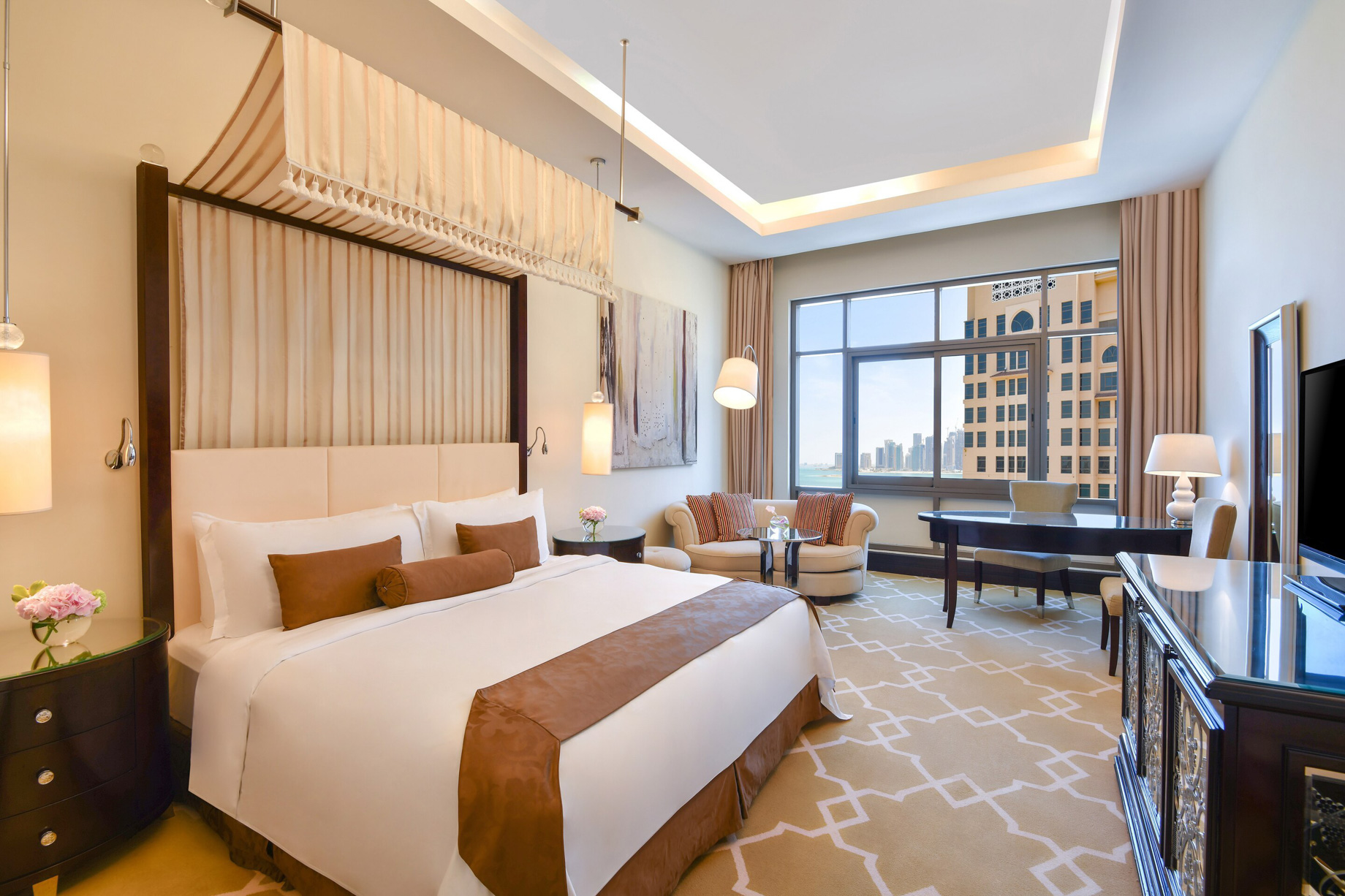
Choosing the right hotel in Qatar requires more than finding an attractive room at an appealing price. The strongest accommodation decisions come from understanding how location, room configuration, transportation, services, privacy, comfort, facilities and booking conditions work together. A professional approach evaluates the entire stay rather than judging a property from a single photograph, rating or headline price.
Define the Stay Before Comparing Hotels
The most efficient hotel selection process begins before searching for individual properties. Travelers should first define what the accommodation needs to accomplish. A hotel can be excellent in general and still be unsuitable for a particular trip because its location, room design or facilities do not match the traveler's actual requirements.
Start by identifying the purpose of the journey. A business visit usually emphasizes efficiency, workspace, connectivity and convenient transportation. A family holiday places greater emphasis on room size, sleeping arrangements, storage, bathroom convenience and access to everyday services. A leisure trip may place more importance on atmosphere, views, dining, relaxation and proximity to attractions.
Guests planning an extended stay should add another layer of consideration. A room that works perfectly for two nights may become inconvenient after a week if it has limited storage, insufficient workspace or no practical area for organizing belongings.
Travelers beginning their research across Hotels & Resorts in Qatar should therefore create a short requirements list before comparing prices. This simple step prevents attractive marketing features from distracting from the requirements that actually determine comfort.
Build a Personal Accommodation Brief
A useful accommodation brief can be extremely simple. Write down the number of guests, expected length of stay, preferred bed arrangement, approximate room size, essential facilities, preferred location, transportation method and maximum total budget.
Then divide the requirements into three categories: essential, desirable and optional. Essential requirements are conditions that cannot be compromised. Desirable features improve the experience but are not mandatory. Optional amenities are pleasant extras that should not control the decision.
This hierarchy is particularly valuable when comparing properties with different price points. It allows travelers to determine whether an upgrade solves an important problem or simply adds an attractive but unnecessary feature.
Location Is the Foundation of Hotel Value
Location has an influence on almost every other aspect of a hotel stay. It affects travel time, transportation costs, convenience, daily routines and the amount of time available for activities. For this reason, location should be evaluated before decorative features.
Travelers comparing Hotels in Doha should think about the location in relation to their actual itinerary. A hotel may be close to one important destination but inconvenient for everything else. Another property may sit slightly farther away while offering better overall access to the places the traveler intends to visit.
There are three useful levels of location analysis. The first is the broader district. The second is the immediate neighborhood around the hotel. The third is the hotel's connection to transportation routes. Evaluating all three provides a much more accurate picture than simply checking the distance between two points on a map.
District-Level Evaluation
At district level, consider what the surrounding area is designed for. Some areas are particularly convenient for business activities, while others are more suitable for leisure, shopping, dining or a quieter stay.
The ideal district depends on the itinerary. A business traveler with meetings concentrated in one area may gain substantial value from staying nearby. A leisure traveler with a broad itinerary may prefer a central position that provides balanced access to several destinations.
Immediate Neighborhood Evaluation
The streets immediately surrounding a hotel can influence the experience more than travelers expect. Access to restaurants, cafés, shopping, convenience stores and everyday services can make a longer stay easier.
For families, nearby practical services can be particularly useful. For business travelers, nearby dining options can reduce the need for transportation after a long day. For leisure travelers, walkable or easily accessible services can make spontaneous plans simpler.
Transportation Connections
A hotel should also be evaluated according to how easily guests can leave it. The quality of transportation access determines how useful the location actually is.
A traveler who intends to visit multiple areas should consider transportation flexibility from the beginning. Depending on the itinerary, Rent a car may provide additional freedom and make a hotel outside the busiest areas more practical.
Professional location rule: do not ask only, “Where is the hotel?” Ask, “How easily can I reach everywhere I need to go from this hotel?” The second question produces a much more useful comparison.
Room Size Is Important, but Layout Matters More
Room size is one of the most visible specifications in hotel descriptions, but square footage alone does not determine comfort. Two rooms with similar dimensions can feel completely different depending on furniture placement, walking paths, storage and the relationship between the sleeping and living areas.
A well-designed room provides clear circulation. Guests should be able to move around the bed, open luggage without blocking the main path and reach essential areas without navigating around furniture.
Families should pay particular attention to this issue because multiple guests create more movement and more belongings. Couples may be comfortable with a compact room if the layout is efficient. Business travelers need enough space around the workspace to use it comfortably.
Standard Rooms
Standard rooms can provide excellent value when the hotel is mainly a base for sleeping and preparing for the day. A traveler who spends most of the day outside may not need a large living area.
The important question is whether the room meets the essential requirements. A lower room category becomes poor value if it creates problems with sleeping arrangements, storage, working or personal space.
Premium Rooms
Premium room categories often provide additional space, better positioning or upgraded furnishings. They can be worthwhile when the additional feature solves a genuine need.
For example, a slightly larger room can be valuable for a week-long stay, while a better workspace can make a difference to a business traveler. A view upgrade can be valuable to someone who plans to spend significant time relaxing in the room.
Suites
Suites are particularly useful when separation is important. A separate living room can allow one guest to work while another rests. Families may find a divided layout easier to manage during different sleeping schedules.
However, the word “suite” should not be treated as a guarantee of a particular layout. Travelers should examine whether the living and sleeping spaces are actually separated and whether the configuration suits the intended use.
Choose the Right Sleeping Arrangement
Sleeping arrangements should be considered one of the primary hotel requirements, not a minor detail. A beautiful hotel cannot compensate for an unsuitable bed configuration.
Couples generally need to consider mattress comfort and bed width. Families may need multiple beds or additional sleeping options. Business travelers may prefer a large bed that provides maximum rest after a demanding day.
Guests should also consider whether the room allows enough space around the bed. Bedside tables, lighting and power outlets contribute to the practicality of the sleeping area.
Window coverings can also be important. Effective blackout curtains help guests maintain comfortable sleeping conditions, particularly when travel schedules differ from normal routines.
Bathroom Design and Daily Efficiency
Bathroom design can have a major influence on daily comfort. Travelers should look beyond photographs and consider how the space will function during busy mornings.
Families may benefit from larger counters, multiple sinks or additional bathroom facilities. Business travelers may prioritize an efficient shower and good lighting around the mirror. Longer-stay guests may value additional storage and a comfortable personal-care area.
The position of the bathroom can also matter. A thoughtfully designed room creates separation between the sleeping area and bathroom functions, allowing different guests to use the room without unnecessary disruption.
Practical observation: hotel bathrooms are used repeatedly throughout the stay. Small conveniences such as counter space, towel placement, lighting and storage can therefore have a greater impact on satisfaction than guests initially expect.
Workspace and Business Functionality
Many travelers now combine professional responsibilities with leisure travel. This makes the availability of a practical workspace valuable even when the trip is not primarily business-oriented.
A suitable workspace requires more than a small table. The chair should be comfortable, lighting should be sufficient, and power access should be convenient. Travelers working with multiple devices should consider whether the desk provides enough usable surface area.
Internet connectivity is equally important. A hotel can advertise Wi-Fi while still providing a connection that is unsuitable for demanding work. Travelers who depend on online meetings or cloud-based tools should treat connectivity as an essential requirement.
Noise Control
Quiet surroundings can be as important as the workspace itself. A room near busy public areas may be less suitable for concentrated work or online meetings.
Guests who value quiet should consider requesting a suitable room location. Proximity to elevators, service areas, restaurants or event spaces can affect the level of ambient activity.
Evaluate Facilities According to Actual Usage
Hotels frequently promote extensive facility lists, but travelers should not automatically assign equal value to every amenity. The correct question is whether the facility will be used often enough to influence the decision.
Essential Facilities
Comfortable sleeping arrangements, reliable climate control, dependable internet, practical bathrooms, secure access and suitable storage are relevant to almost every stay.
Preference-Based Facilities
Fitness areas, pools, lounges, premium dining options and recreational facilities become valuable when they match the traveler's routine.
A fitness-focused traveler may reasonably prioritize a well-equipped exercise facility. Another guest may never use it and prefer a better room or more convenient location instead.
The same principle applies to pools, lounges and other recreational spaces. Amenities should support the trip rather than inflate the booking cost without providing meaningful benefit.
Hotel Service Is Part of the Product
Accommodation is not simply a physical room. The quality of service influences the entire experience, from arrival to departure.
Efficient check-in reduces waiting and uncertainty. Responsive housekeeping maintains comfort. Clear communication makes special requests easier. Helpful staff can also make unfamiliar destinations simpler to navigate.
Business travelers often value predictability. Families may value practical assistance. Leisure travelers may appreciate useful local information. In every case, the quality of service should be evaluated as part of the overall hotel offering.
Comparing Hotels Beyond Doha
Doha offers a wide range of accommodation choices, but not every itinerary requires staying in the capital's busiest areas. Travelers should compare locations according to the destinations and activities included in their plans.
For some trips, Hotels in Al Wakrah may be worth considering because the location can offer a different accommodation environment and may fit particular travel plans.
The correct decision should be based on the relationship between the hotel and the itinerary. Staying closer to every destination is impossible when a trip covers multiple areas, so the goal should be to choose the location that minimizes unnecessary travel overall.
Transportation Planning Before Booking
Transportation should be integrated into hotel research rather than considered after the booking is confirmed. Travelers should know how they expect to move between the airport, hotel and major destinations.
Guests who plan to drive should consider parking availability and convenience. Those relying on other transportation should evaluate accessibility and expected travel times.
A rental vehicle can be particularly useful for flexible itineraries. Travelers should nevertheless calculate the complete cost and consider whether parking and daily driving are practical for their particular schedule.
Airport Arrival and Departure Planning
The first and last hours of a trip can influence the overall perception of accommodation. Travelers arriving after a long journey often benefit from simple access, efficient reception and a predictable check-in process.
Guests arriving before standard check-in should understand the property's luggage-storage arrangements and available early-arrival options. Travelers with early departures should also consider how easily they can arrange transportation and complete checkout.
These details may seem minor, but they become important when the itinerary is tightly scheduled.
Compare Total Cost Instead of Headline Price
The advertised nightly rate is only one part of the financial calculation. Travelers should determine the full cost of the stay, including applicable charges and optional services that they are likely to need.
When using a Booking service, compare the complete terms associated with each rate rather than selecting the lowest displayed number immediately.
Breakfast, parking, transportation, room upgrades and cancellation flexibility can all change the real value of a reservation.
Better comparison method: calculate the complete expected cost of each option, then compare what that cost provides. A higher nightly rate can represent stronger value when it eliminates other expenses or solves an important accommodation requirement.
Cancellation Conditions Matter
Travel plans can change for many reasons. A flexible rate can therefore have genuine financial value when dates are uncertain.
Travelers with completely fixed plans may decide that a restricted rate is appropriate if the savings are meaningful. However, guests should never select a non-flexible rate without understanding the consequences of changing the reservation.
The cancellation policy should be treated as part of the product, just like the room and facilities.
Accommodation for Short Business Trips
Short business trips reward efficiency. When there are only one or two nights available, travelers should prioritize location, sleep quality, workspace, internet reliability and transportation.
A hotel with extensive recreational facilities may provide little additional value if the guest leaves early in the morning and returns late at night. A comfortable, efficiently located room may be the better professional choice.
Breakfast timing can also matter. Guests with early meetings should confirm whether suitable food or dining arrangements are available at the required time.
Accommodation for Families
Family travel introduces several additional considerations. Parents should determine the number of guests, sleeping arrangements, room configuration and storage requirements before choosing a category.
Families should also consider daily routines. If children sleep earlier than adults, separate living space can become extremely valuable. If the family expects to spend much of the day outside, however, a simpler room may provide better financial efficiency.
Bathroom convenience is another important consideration. Multiple guests sharing one small bathroom can create unnecessary delays during busy mornings.
Accommodation for Couples
Couples often place greater emphasis on atmosphere, privacy, comfort and location. A pleasant room with a comfortable seating area may provide more value than a larger room with an inefficient layout.
The surrounding area can also influence the experience. Easy access to dining, attractions and leisure activities can reduce travel time and create more flexibility.
For couples who intend to spend significant time at the property, room view, natural lighting and overall design may deserve greater priority.
Accommodation for Extended Stays
Longer stays require a different definition of comfort. After several days, storage, workspace, laundry access, dining convenience and room organization become increasingly important.
A larger room or suite can provide additional value because it supports different daily activities. Guests can unpack properly, organize belongings and create a more comfortable routine.
Location also becomes more important during longer stays because repeated transportation costs and travel time accumulate. A convenient neighborhood can therefore provide significant practical value even if the room itself is not the most luxurious option.
Travelers researching longer itineraries can also consult The Travel Journal when organizing destination ideas and accommodation planning.
Privacy and Room Position
Room position can affect privacy and noise levels. Travelers who value quiet should consider the hotel's internal layout and the likely activity around the room.
Rooms near elevators can be convenient but may experience more foot traffic. Rooms near service areas can potentially experience additional operational activity. Guests who prefer maximum quiet may wish to request a location away from these areas.
Higher floors can sometimes provide different views and a greater sense of separation, while lower floors may offer faster access. The best option depends on the traveler's priorities.
Lighting and Atmosphere
Lighting has both functional and aesthetic importance. Natural light can make a room feel more spacious, while layered interior lighting supports different activities throughout the day.
Business travelers should examine desk lighting. Leisure travelers may prefer softer ambient lighting. Bedside lamps and easily accessible controls can improve the overall usability of the room.
The best hotel interiors balance visual design with practical function.
Storage and Luggage Management
Storage becomes increasingly important as the length of the stay increases. A room can appear spacious before luggage is unpacked but become difficult to navigate afterward.
Travelers should consider wardrobe capacity, drawer space, luggage placement and the availability of surfaces for personal belongings. Families should give this issue particular attention because multiple guests quickly increase storage requirements.
Business travelers may also need hanging space for professional clothing and safe storage for equipment.
Technology and Charging Convenience
Modern hotel rooms increasingly need to support several personal devices. Convenient electrical outlets near the bed and desk can make a noticeable difference.
Travelers working remotely should also consider the position of power outlets relative to the workspace. A beautiful desk that requires cables to stretch across the room is less functional than a simple workspace designed around actual use.
Technology should ultimately make the stay easier rather than create additional complexity.
Safety and Responsible Hotel Selection
Guests should include basic security considerations when comparing accommodation. Controlled access, secure room doors, suitable lighting and clear emergency procedures are all useful indicators of responsible hotel operation.
Travelers carrying professional equipment may also benefit from an in-room safe. Families should understand the location of emergency exits and basic property procedures.
These considerations do not need to dominate the booking decision, but they should be part of a complete professional assessment.
Dining and Daily Convenience
Dining access can influence the practicality of a hotel. Guests with demanding schedules may value convenient on-site dining, while leisure travelers may prefer exploring restaurants in the surrounding area.
Breakfast is often particularly useful for families and business travelers because it simplifies the start of the day. However, travelers should compare the breakfast cost with their actual routine rather than automatically paying for it.
Nearby food options can also be valuable during extended stays, particularly when guests want variety without traveling long distances.
How to Use Reviews Professionally
Guest reviews can provide useful information, but they should be analyzed rather than accepted without context. A single negative comment does not necessarily indicate a recurring problem.
Repeated observations are more useful. If multiple guests independently mention the same issue with noise, cleanliness, room size or service, that pattern deserves attention.
Travelers should also consider whether the reviewer's priorities match their own. A guest who wants a lively atmosphere may praise characteristics that another traveler considers inconvenient.
Cleanliness and Maintenance Standards
Cleanliness is a basic requirement for accommodation. Beyond visible cleanliness, guests should consider maintenance because a well-maintained property tends to provide a more reliable experience.
Functional lighting, air-conditioning, plumbing, furniture and fixtures all contribute to comfort. A room can have beautiful décor but still feel disappointing if essential systems are poorly maintained.
For longer stays, maintenance becomes even more important because guests interact with the room repeatedly.
Understand the Difference Between Luxury and Value
Luxury and value are not identical. A luxury property may offer exceptional design and service, but the traveler must determine whether those advantages are relevant to the trip.
Value means receiving meaningful benefits for the total amount spent. A moderately priced hotel can offer outstanding value if it meets the traveler's priorities, while an expensive room can offer weak value if its premium features remain unused.
This distinction allows travelers to spend more intelligently. Instead of paying for everything, pay for the features that genuinely improve the stay.
When a Room Upgrade Is Worth Paying For
A room upgrade should ideally solve a specific problem. Additional space is valuable for families and longer stays. Better workspace can benefit business travelers. A separate living area can improve privacy.
Upgrading simply because a room is labeled “premium” is less compelling. Travelers should compare exactly what changes between categories and decide whether those differences justify the additional expense.
Creating a Professional Hotel Shortlist
A shortlist of three to five suitable properties is generally easier to analyze than a long list of options. Begin by eliminating properties that fail essential requirements.
Next, compare the remaining hotels using the same categories: location, room, service, facilities, transportation and total cost.
A useful shortlist can include a practical option, a balanced option and a premium option. This structure makes the price differences easier to understand and shows what additional spending actually provides.
Hotel Comparison Scorecard
| Category | Key Question | Importance |
|---|---|---|
| Location | Does the property reduce unnecessary travel? | Very High |
| Room | Does the layout support the daily routine? | Very High |
| Sleeping | Are the bed and sleeping arrangements suitable? | Very High |
| Workspace | Can guests work comfortably if required? | Medium to High |
| Facilities | Will the traveler actually use them? | Medium |
| Service | Does the property appear reliable and responsive? | High |
| Transportation | Is daily movement practical? | High |
| Total Cost | Does the final price match the benefits? | Very High |
Common Hotel Selection Mistakes
Choosing the Lowest Rate Automatically
The cheapest room can create additional costs through transportation, meals, parking or necessary upgrades. Compare the complete stay instead of the initial price.
Choosing a Hotel Only Because of Photographs
Professional photography presents the property at its best. Travelers should also examine room layout, practical features and location.
Ignoring the Daily Itinerary
A hotel should support the itinerary. Choosing accommodation first and planning the trip around it can create unnecessary travel.
Overpaying for Unused Facilities
Extra amenities have value only when the traveler uses them. Prioritize facilities that support the actual trip.
Ignoring Cancellation Terms
A lower rate can become expensive if plans change. Always understand the reservation conditions before confirming.
Ignoring Storage
Storage becomes especially important for families and extended stays. Consider how the room will function after luggage is unpacked.
Build a Better Booking Routine
A professional booking routine can be completed in several stages. First define the trip. Second choose the most suitable area. Third establish essential room requirements. Fourth compare a small number of suitable properties. Fifth calculate the complete cost. Finally review the reservation conditions before confirming.
This process is much more efficient than repeatedly searching without a clear framework. It reduces decision fatigue and keeps the focus on measurable requirements.
Travelers can also use a dedicated The Travel Journal resource to support broader planning and destination research.
How to Evaluate a Hotel After Narrowing the Options
Once the shortlist is established, compare the options according to the features that matter most. If two hotels are equally convenient, compare room quality and service. If room quality is similar, compare the complete price and cancellation conditions.
Do not allow one impressive feature to dominate the entire decision. A spectacular view may not compensate for an inconvenient location, and a low price may not compensate for a poor room layout.
The final choice should be the property that delivers the strongest overall balance.
Planning for Different Travel Durations
The ideal hotel can change according to the length of the trip. One-night stays prioritize efficiency. Three- or four-night stays allow more attention to facilities and atmosphere. Extended stays place increasing emphasis on storage, workspace, neighborhood convenience and room flexibility.
This is why hotel recommendations should always be connected to trip duration. A room that is excellent for a short visit may not be ideal for a longer one.
How to Balance Comfort With Budget
Budget planning does not mean choosing the cheapest property. It means allocating spending where it creates the most meaningful benefit.
For some travelers, spending more on location reduces transportation time. For others, a larger room improves family comfort. Business travelers may prefer investing in workspace and reliable connectivity.
The key is to identify which upgrade has the highest practical return before spending more.
Final Decision Checklist
Before confirming a hotel, review the following questions:
Location: Is the hotel positioned appropriately for the itinerary?
Room: Is the room size and layout sufficient?
Bed: Does the sleeping configuration suit every guest?
Bathroom: Will the bathroom support the daily routine?
Workspace: Is there enough room to work if needed?
Storage: Is there enough space for luggage and belongings?
Transportation: Can guests move easily between the hotel and key destinations?
Facilities: Are the important amenities actually included?
Price: What is the complete expected cost?
Policy: Are cancellation and reservation conditions acceptable?
Frequently Asked Questions About Hotel Selection in Qatar
What is the most important factor when choosing a Qatar hotel?
For most travelers, location is one of the most important factors because it influences transportation, time and convenience throughout the stay. However, the best choice also depends on room requirements and the purpose of the trip.
Should I prioritize location or hotel quality?
The ideal balance depends on the itinerary. A premium hotel in an inconvenient location may create unnecessary travel, while a well-located hotel with an unsuitable room may reduce comfort. The best option combines an appropriate location with the required level of accommodation quality.
Is a suite worth the additional cost?
A suite can be worthwhile when additional space, privacy or separate living areas solve a genuine need. For short stays where guests spend most of the day outside, a standard room may provide stronger value.
What should families check before booking?
Families should verify occupancy limits, bed configuration, room size, storage, bathroom arrangements and any additional sleeping options. The room should be evaluated according to how the family will actually use it throughout the day.
What should business travelers prioritize?
Business travelers should focus on location, reliable internet, a practical workspace, comfortable sleeping arrangements, quiet surroundings and efficient transportation. Breakfast and early departure arrangements can also be important.
How can I compare two hotels with similar prices?
Compare location, room layout, sleeping arrangements, cancellation terms, included services and transportation convenience. If the hotels remain similar, choose the one that better matches the specific purpose of your trip.
Is a better view worth paying more for?
It depends on how much time you expect to spend in the room and how important the view is to you. For a highly scheduled trip, the additional cost may be better spent on location or room space.
Should I rent a car during my Qatar stay?
A rental vehicle can be useful for travelers with flexible itineraries or plans covering multiple areas. Travelers staying near their main destinations may prefer other transportation options. Compare convenience, parking and total cost before deciding.
How many hotels should I compare before booking?
A focused shortlist of three to five properties is usually sufficient. Eliminate hotels that fail essential requirements first, then compare the remaining options using the same criteria.
Does the cheapest hotel always offer the best value?
No. Value depends on what the traveler receives for the total cost. Transportation, room upgrades, included meals, parking and flexibility can change the overall financial picture.
Practical Reference for a More Confident Hotel Decision
The strongest hotel selection process is based on fit rather than appearance. Travelers should define their priorities, identify the most appropriate area and then compare rooms according to measurable characteristics.
Those researching Hotels & Resorts in Qatar can use this framework to separate essential requirements from optional upgrades. Travelers focusing specifically on the capital can continue comparing Hotels in Doha, while those with an itinerary suited to another destination can explore Hotels in Al Wakrah.
Transportation should remain part of the decision. When independent mobility is useful, Rent a car can be considered alongside other transportation options.
Once the requirements have been established, travelers can proceed with Booking while checking the complete rate, room category and reservation conditions.
For broader itinerary planning, destination inspiration and additional travel research, The Travel Journal can be incorporated into the planning process.
A professional hotel decision ultimately comes down to one principle: select the accommodation that makes the entire trip easier. The best property is not necessarily the largest, newest or most expensive. It is the one whose location, room, services, transportation access and total cost align most closely with the traveler's real needs.

No comments:
Post a Comment