How to Build a Refined Jewelry Wardrobe: A Complete Guide to Choosing, Styling, and Caring for Timeless Pieces
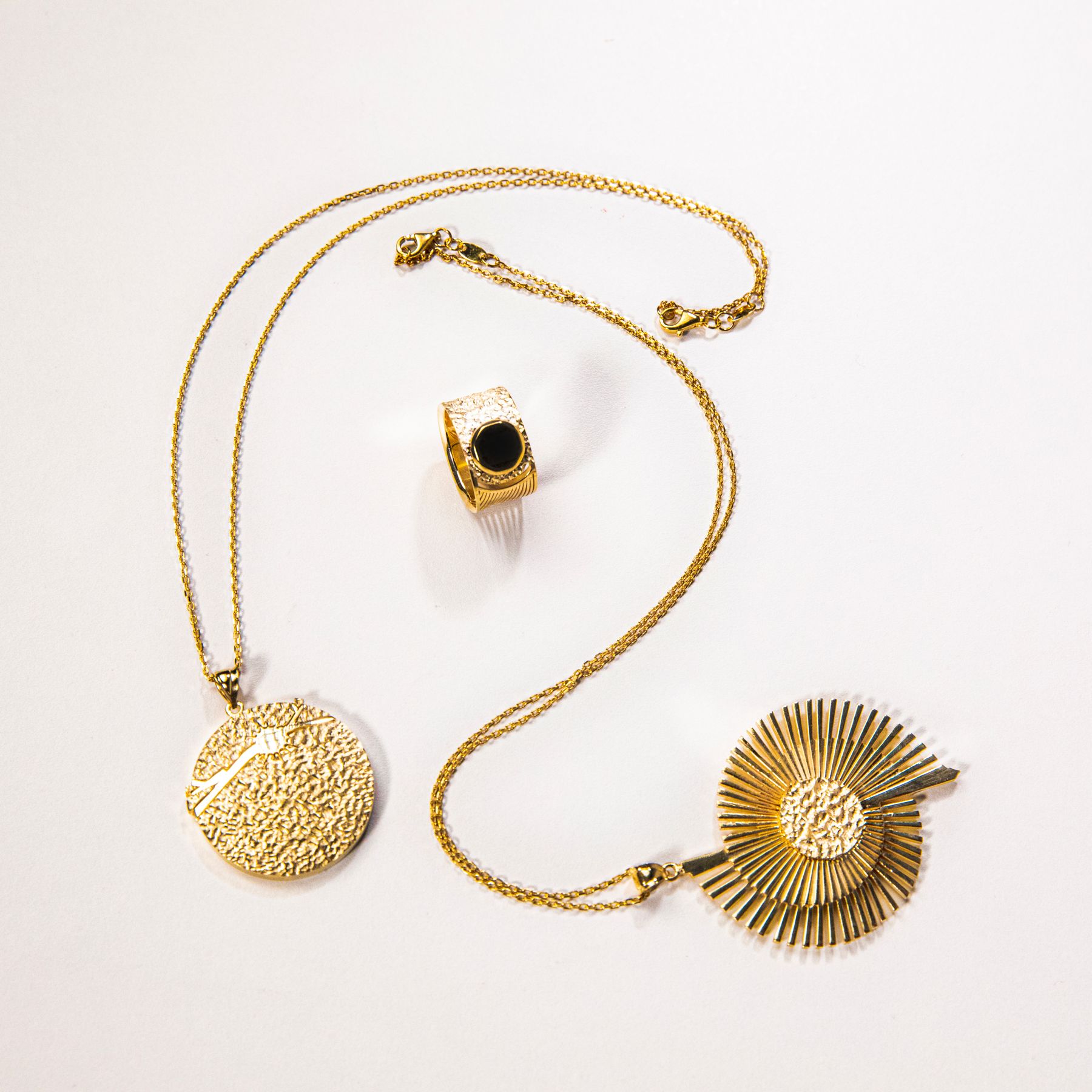
How to Build a Refined Jewelry Wardrobe: A Complete Guide to Choosing, Styling, and Caring for Timeless Pieces
A refined jewelry wardrobe is built through intention rather than accumulation. The strongest collections combine practical everyday pieces with distinctive designs, allowing the wearer to create polished looks for work, casual occasions, travel, celebrations, and formal events without needing an overwhelming number of accessories.
Jewelry has the unusual ability to transform an outfit without changing its basic structure. A simple shirt can acquire a more polished character through a delicate necklace. A neutral dress can become more expressive with a sculptural pendant. A familiar blazer can feel completely different when paired with a carefully selected chain or a coordinated combination of necklaces.
The secret is not simply finding beautiful jewelry. The real skill is understanding how each piece functions inside a wardrobe. Length, material, proportion, color, texture, weight, finish, and occasion all influence whether a necklace becomes a frequently worn favorite or remains forgotten inside a jewelry box.
A professional approach to jewelry selection therefore begins with the wardrobe itself. Instead of asking only whether an individual necklace looks attractive, consider what it contributes. Does it introduce a useful length? Does it complement the colors already being worn? Can it work with several necklines? Does it create a new styling possibility? Is it comfortable enough for repeated use?
This guide explores these questions in detail and presents a practical framework for creating a sophisticated jewelry wardrobe that remains useful across changing seasons and evolving fashion preferences.
The Difference Between Owning Jewelry and Building a Jewelry Wardrobe
Owning jewelry is primarily about possession. Building a jewelry wardrobe is about creating a coordinated system.
A person can own twenty necklaces and still feel that there is nothing appropriate to wear. This usually happens because the collection contains too many pieces serving the same function. Perhaps most of the necklaces are short gold chains, or several have almost identical pendants. The quantity is high, but the practical variety is low.
A well-designed jewelry wardrobe works differently. Each category has a purpose. One necklace might be ideal for professional clothing. Another may provide a strong focal point for eveningwear. A third may be perfect for layering, while another may be selected specifically for minimalist outfits.
This functional approach makes the collection easier to use. It also changes the shopping process. Instead of constantly searching for something new, the wearer can identify exactly which function is missing.
A broad selection of Jewelry & Accessories becomes much more useful when viewed through this functional lens.
Begin With a Jewelry Wardrobe Audit
Before buying anything new, examine the jewelry already available. Place necklaces, earrings, bracelets, rings, and watches where they can be seen clearly. Group similar pieces together and identify recurring patterns.
Look first at metal colors. Is the collection primarily gold, silver, or mixed? Then examine scale. Are most pieces delicate, medium-sized, or substantial? Next, look at length and purpose.
You may discover that the collection is strong in everyday necklaces but weak in formal pieces. Or perhaps there are several statement designs but very few understated options for professional environments.
Color is another useful category. Jewelry containing pearls, gemstones, enamel, or colored materials may be beautiful but less versatile than neutral metallic designs.
The purpose of an audit is not to eliminate pieces simply because they are old or different. Its purpose is to understand the current collection before making new decisions.
Define Your Core Jewelry Style
A personal jewelry style does not need a complicated name. It can be described through a few simple characteristics.
Perhaps your preferred look is delicate and minimal. Perhaps you favor bold chains and sculptural forms. Maybe you prefer traditional pieces with refined proportions, or perhaps your wardrobe works best with mixed metals and contemporary geometric designs.
Identifying this preference helps create consistency. It does not mean every necklace must look identical. Instead, it gives future purchases a visual framework.
For example, someone who consistently wears tailored clothing may prefer clean geometric necklaces. Someone whose wardrobe contains flowing fabrics may enjoy organic shapes and softer textures.
Style consistency also makes jewelry easier to combine. When pieces share some underlying design characteristics, mixing them becomes more natural.
Why Proportion Matters More Than Price
Price alone does not determine whether jewelry looks sophisticated. Proportion is often far more influential.
A relatively simple necklace can appear refined when the chain thickness, pendant size, and length are balanced. Conversely, an expensive necklace can look visually awkward if its scale conflicts with the clothing.
Proportion should be considered at several levels. First, compare the necklace with the neckline. Second, compare the necklace with the wearer's other accessories. Third, consider the overall clothing silhouette.
A heavy chain can work beautifully with structured clothing because both have visual strength. The same chain may overwhelm a lightweight blouse.
Similarly, a tiny pendant can disappear against a heavily textured sweater but become highly effective over a smooth shirt.
Building Around a Classic Gold Necklace
A Classic Gold Necklace can serve as a foundation because gold provides warmth and visual clarity across many wardrobe palettes.
A delicate gold chain can accompany everyday clothing without becoming the dominant element. A medium-weight chain can create a stronger focal point, while a pendant version can introduce shape or symbolism.
Gold also works across a broad range of colors. It can complement cream, beige, brown, black, white, navy, olive, burgundy, and many other shades.
The finish matters as much as the color. Polished gold produces noticeable reflections and can appear more formal. Brushed or textured finishes tend to create a quieter effect.
When selecting an everyday gold necklace, pay attention to the clasp and chain construction. The necklace should be attractive, but it should also be practical enough to withstand the intended frequency of use.
Why Sterling Silver Deserves a Place in Many Collections
A Sterling Silver Necklace introduces a cooler visual character that can complement modern wardrobes particularly well.
Silver pairs naturally with black, gray, white, navy, blue, and other cool or neutral shades. It can also create an intentional contrast against warmer clothing.
Silver jewelry often works especially well with minimalist design. Clean chains and geometric pendants can reinforce a contemporary aesthetic without requiring additional decoration.
For everyday wear, examine how the necklace feels as well as how it looks. Weight distribution, flexibility, clasp design, and chain width all affect comfort.
A collection containing both gold and silver can provide greater flexibility because the two metals can support different clothing palettes and styling moods.
Choosing the Correct Necklace Length
Necklace length determines where the eye is directed. It is therefore one of the most important specifications to consider when shopping.
Short necklaces emphasize the neck and collarbone. Medium-length necklaces often create a central focal point around the upper or middle chest. Long necklaces introduce vertical movement and can visually connect the neckline with the rest of the outfit.
The same pendant can create completely different impressions at different lengths. A short pendant may feel delicate and compact. The same pendant placed farther down the torso can become a much stronger visual feature.
When shopping online, compare the listed dimensions with an existing necklace. This is more reliable than judging scale from photographs alone.
How Necklines Influence Necklace Selection
The neckline is the immediate environment surrounding a necklace. A successful combination usually creates either continuity or deliberate contrast.
V-Neck Clothing
V-neck garments naturally guide attention downward. Pendant necklaces can follow this direction and create visual harmony.
Crew Neck Clothing
Crew necks create a high horizontal boundary. Short necklaces can sit above the fabric, while longer pieces can cross over it.
Open Collars
Open shirts create a natural frame around the necklace. This makes them particularly suitable for layering and medium-length pendants.
High Neck Garments
High necks can provide a clean background for longer necklaces. A pendant placed over the fabric can create a strong vertical line.
Wide Necklines
Wide necklines leave more visible space, allowing the necklace to become a central element of the outfit.
The Professional Value of a Minimalist Pendant
A Minimalist Pendant Necklace is one of the most adaptable categories because it can add personality without creating excessive visual density.
Minimalist design places greater emphasis on proportion, surface quality, and silhouette. A small pendant may appear simple, but its exact geometry can strongly influence the final effect.
Minimalist pendants are particularly useful with wardrobe staples. A plain white shirt, neutral sweater, black dress, or tailored jacket can all provide a suitable background.
They also work well in professional settings because they can create a polished appearance without competing heavily with the clothing.
Creating Sophisticated Layers
Layering is most effective when each necklace has a distinct visual position. The objective is not to maximize the number of pieces but to create controlled depth.
Start with a fine chain. Add a second necklace with a different length or texture. If the combination remains clear, consider a third piece.
One practical approach is to combine different chain thicknesses. Another is to use a pendant at one level and a plain chain at another.
A Layered Necklace Set can make this process easier because the lengths and visual proportions are usually designed to complement one another.
How to Mix Chain Textures
Texture can create depth without requiring additional color. A polished chain reflects light continuously, while a twisted, hammered, or patterned chain produces more complex highlights.
When two necklaces share the same metal color, texture can prevent them from visually merging into one indistinct line.
Texture can also help define different levels within a layered arrangement. A smooth short chain can establish the first level, while a textured longer chain adds contrast.
The safest way to experiment is to change one characteristic at a time. If the chains already differ significantly in length, there may be no need for a dramatic texture difference.
The Modern Role of Pearls
A Pearl Necklace can add softness, luminosity, and classic character to a modern wardrobe.
Traditional pearl styling often emphasizes formal clothing, but contemporary styling can be much broader. Pearls can work with shirts, knitwear, jackets, simple dresses, and even relaxed clothing.
The surrounding clothing determines much of the final impression. A classic strand with formal tailoring creates a traditional effect. The same pearls paired with a minimalist shirt can appear more contemporary.
Pearls should also be handled differently from many metal-only pieces. Exposure to harsh chemicals, excessive moisture, or abrasive surfaces can affect their appearance, so appropriate storage and care are particularly important.
Understanding Jewelry Scale
Jewelry scale should be considered alongside the clothing's visual weight.
Oversized jackets, thick knitwear, and structured garments can support stronger necklaces. Lightweight fabrics often benefit from finer jewelry.
This is not an absolute rule. Contrast can be intentional and effective. The important point is to recognize the contrast rather than create it accidentally.
Scale should also be coordinated between accessories. A very large necklace combined with equally large earrings and bracelets can create a high-density look. Sometimes reducing one element creates greater clarity.
How to Coordinate Necklaces With Earrings
Necklaces and earrings occupy neighboring areas of the face and upper body. They therefore influence one another strongly.
If the necklace is the primary focal point, earrings can be smaller or simpler. If the earrings are large, the necklace can become a supporting element.
This does not mean that jewelry must always be minimal. It simply means that the composition should have a clear hierarchy.
A layered necklace arrangement, for example, may already provide substantial visual detail. In that situation, simple earrings can allow the layers to remain the primary focus.
Creating a Balanced Jewelry Color Palette
Jewelry can function almost like a color palette within an outfit. Gold introduces warmth, silver provides cool reflection, pearls offer soft neutral brightness, and gemstones can add stronger accents.
When building a collection, consider the colors that appear most often in the wardrobe. If the wardrobe is dominated by warm neutrals, gold may integrate easily. If it is built around black, gray, white, and cool blue, silver may provide a natural foundation.
Mixed metals can then be introduced to expand flexibility.
The objective is not to restrict color. It is to make color choices deliberate.
How to Choose Jewelry for Business Wardrobes
Professional clothing often benefits from accessories that communicate attention to detail without dominating the outfit.
A simple chain can add polish to a blazer. A medium pendant can soften the geometry of tailoring. A restrained pearl design can provide classic refinement.
Comfort is especially important when jewelry is worn for many hours. A necklace that feels heavy, catches repeatedly on fabric, or has a difficult clasp may become impractical.
Professional jewelry should therefore combine visual refinement with everyday functionality.
Styling Jewelry With Casual Clothing
Casual clothing can provide an excellent background for jewelry because simple garments often leave enough visual space for accessories to become noticeable.
A plain T-shirt can support a delicate chain or layered necklaces. A relaxed shirt can accommodate a pendant. Knitwear can work with medium-weight chains that remain visible over textured fabric.
Casual styling also provides an opportunity to create contrast. A refined pearl necklace against relaxed clothing can create an intentionally unexpected combination.
Choosing Jewelry for Evening Events
Eveningwear often permits greater use of shine, texture, and statement proportions.
A simple dress can become the ideal background for a dramatic necklace. Conversely, a dress with substantial embellishment may require a more restrained piece.
Consider lighting when choosing finishes. Highly polished surfaces can create noticeable reflections, while textured pieces may provide more subtle visual interest.
Evening jewelry should also be considered as part of the complete look. Hair, neckline, earrings, bracelet, rings, and necklace should not compete unnecessarily.
Building a Practical Jewelry Capsule
A jewelry capsule is a compact selection of pieces capable of creating numerous combinations.
A practical capsule can include one classic gold necklace, one silver option, one minimalist pendant, one layering combination, one pearl design, and one distinctive statement piece.
This does not mean every wardrobe requires exactly these categories. The purpose is to create functional variety.
If a person rarely attends formal events, a large statement necklace may be less useful than another everyday piece. If professional clothing dominates the wardrobe, work-appropriate jewelry may deserve greater emphasis.
Specifications to Examine Before Buying Jewelry
| Feature | What to Examine | Why It Matters |
|---|---|---|
| Necklace Length | Total measurement and expected position | Determines compatibility with different necklines |
| Chain Width | Thickness and link dimensions | Controls visual weight and durability |
| Material | Metal composition, plating, pearls, stones, or other materials | Affects appearance and care requirements |
| Clasp | Closure style, security, and usability | Important for frequent wear |
| Pendant Size | Height, width, and thickness | Determines visual impact |
| Finish | Polished, brushed, textured, or mixed | Changes light reflection and character |
| Weight | Total weight and balance | Influences comfort |
| Layer Compatibility | Length separation and visual scale | Determines how easily pieces can be combined |
| Maintenance | Cleaning and storage instructions | Supports long-term appearance |
How to Evaluate Jewelry Quality
Quality begins with construction. Look closely at the connection points between chains, pendants, clasps, and decorative components.
The finishing should appear consistent. Links should connect cleanly. Decorative elements should be proportionate to the chain. Clasps should be appropriately sized for the necklace.
When purchasing online, close-up photographs are particularly useful. Product dimensions and material descriptions should be reviewed alongside photographs rather than relying on images alone.
Quality is also connected to intended use. A necklace designed for occasional wear may have different practical priorities from one intended to be worn several times per week.
Jewelry Shopping With a Purpose
Before purchasing, define the reason for the purchase.
Maybe a professional wardrobe needs a polished necklace. Maybe an existing collection lacks silver. Perhaps there are many short chains but no long pendant. Identifying the problem makes the decision more objective.
Another useful technique is to identify at least three outfits that the new piece could complement. If only one outfit comes to mind, the piece may be highly specialized.
Specialized jewelry is not necessarily a bad purchase. It simply should be recognized as such.
Why Jewelry Brands Can Help With Collection Building
Different brands often develop recognizable aesthetic languages. Some focus on minimalism, others on classic elegance, geometric forms, gemstones, or statement designs.
Exploring Jewelry & Accessories Brands can therefore help shoppers compare different design directions.
However, brand identity should not replace practical evaluation. Materials, dimensions, construction, comfort, and care requirements remain important regardless of the brand.
The most useful question is how a particular design fits the existing wardrobe.
How to Avoid Duplicating Your Existing Collection
Duplication is one of the biggest causes of jewelry collections becoming large without becoming more useful.
Imagine owning five delicate gold chains with nearly identical lengths. Buying a sixth may provide very little additional styling value.
Instead, consider changing one variable. Select a different metal, length, texture, or pendant style.
This creates greater variety without requiring a dramatic change in personal style.
Creating a Signature Necklace Combination
A signature necklace combination can become an easy daily styling formula.
For example, a short fine chain can remain close to the collarbone while a slightly longer pendant provides the main focal point. A third, longer chain can be added when the clothing is simple enough to support it.
The benefit of a signature combination is speed. Once the proportions are known to work, there is less need to experiment every morning.
The combination can still be modified according to neckline and occasion.
When to Use a Statement Necklace
Statement necklaces are most effective when they have room to communicate.
A plain dress, simple blouse, or monochrome outfit can provide the ideal background. Highly patterned clothing may require more restraint because the necklace and fabric can compete.
A statement piece does not necessarily need to be large. Strong geometry, unusual texture, color contrast, or an architectural shape can make a necklace visually distinctive.
How to Use Jewelry to Refresh Existing Clothing
Jewelry can extend the usefulness of clothing by changing its visual identity.
A black dress can look understated with a fine chain, classic with pearls, modern with silver geometry, or dramatic with a statement necklace.
This is one reason a well-planned jewelry collection can reduce the pressure to constantly purchase new clothing.
The same principle applies to basic shirts, neutral sweaters, tailored jackets, and simple dresses.
Carefully Selecting a Layered Necklace Set
A Layered Necklace Set can be especially useful for shoppers who want coordinated styling without having to calculate every length independently.
When evaluating a set, check whether the pieces can also be worn separately. A good set should provide more than one styling possibility.
Look at the spacing between the necklaces. If all pieces occupy almost exactly the same position, the layered effect may appear crowded.
When a Pearl Necklace Becomes a Wardrobe Essential
A Pearl Necklace can become a valuable wardrobe piece when the collection needs an accessory with a softer, more luminous character.
Pearls work particularly well with simple silhouettes because their surface provides enough visual interest without requiring complicated shapes.
They can also bridge casual and formal styling. A shorter pearl necklace can work with everyday clothing, while a longer strand can become more appropriate for formal occasions.
Choosing a Minimalist Pendant for Daily Wear
A Minimalist Pendant Necklace is often a strong candidate for repeated wear because it can work across several categories of clothing.
Its simplicity makes it easy to coordinate with earrings, rings, bracelets, and watches. It can also serve as a starting point for layering.
When selecting one, pay attention to pendant geometry. Small differences in shape can create very different visual effects.
Making a Classic Gold Necklace More Contemporary
A Classic Gold Necklace does not have to be styled traditionally.
Try pairing it with modern tailoring, monochrome clothing, or casual pieces. A simple gold chain can become contemporary through the clothing around it.
Layering also changes its character. A classic chain can become the foundation for a more modern combination when paired with different lengths and textures.
Making Sterling Silver Feel More Expressive
A Sterling Silver Necklace can be styled beyond simple minimalist outfits.
Silver can create contrast against warm clothing, support darker monochrome looks, or provide a reflective accent against white garments.
Combining silver textures is another way to create visual depth without introducing additional colors.
Storage Strategies That Protect Necklaces
Proper storage helps preserve both appearance and usability.
Fine necklaces should be separated whenever possible. Individual pouches or compartments can reduce tangling and friction.
Long chains can be especially difficult to store because they naturally tangle with one another. Hanging organizers can be useful when the design allows it.
Pendants should also have enough room to avoid unnecessary contact with harder pieces.
The objective is simple: make every necklace easy to find and protect it from avoidable damage.
Cleaning Jewelry Without Creating Unnecessary Damage
Cleaning methods should match the material. A method that is suitable for one metal may not be suitable for pearls, gemstones, plated finishes, or pieces containing adhesives.
For many appropriate surfaces, a soft cloth can help remove everyday oils and residue. More specialized pieces may require professional cleaning or specific instructions.
Always follow the care guidance associated with the particular piece rather than assuming that all jewelry can be treated identically.
Travel Jewelry: Choosing Fewer Pieces With More Functions
Travel is an excellent test of whether a jewelry collection is genuinely versatile.
A strong travel selection might contain one everyday necklace, one alternative metal, one minimalist pendant, and one evening piece.
These categories can support a wide range of outfits without taking up much space.
Travel jewelry should also be easy to organize. Small individual compartments can save significant time and reduce the risk of tangling.
Jewelry for Different Seasons
Jewelry can remain relevant throughout the year, but the way it is worn can change with clothing.
Lightweight necklaces can work beautifully with spring and summer fabrics. Larger chains can remain visible over thicker autumn and winter clothing.
Pearls can transition across seasons because their neutral brightness works with both light and dark palettes.
Seasonal styling is therefore more about adjusting scale and placement than replacing the entire jewelry collection.
How to Create a Professional Jewelry Buying Checklist
- Identify the purpose of the new piece.
- Check whether the collection already contains a similar design.
- Measure the necklace length before purchasing online.
- Compare chain width with the intended clothing.
- Consider the dominant metal tones already in the wardrobe.
- Check the clasp and construction.
- Consider comfort for the intended duration of wear.
- Imagine at least three different outfits with the piece.
- Review cleaning and storage requirements.
- Choose variety in function rather than variety for its own sake.
Common Mistakes in Jewelry Wardrobe Planning
One common mistake is buying according to trends without considering personal wardrobe compatibility. Trends can provide inspiration, but a piece should still have a practical role.
Another mistake is purchasing jewelry only because it looks impressive in a close-up photograph. Scale can be difficult to judge online, so measurements are essential.
A third mistake is ignoring comfort. A necklace may look exceptional but remain unused if it is too heavy, too delicate for the intended routine, or difficult to secure.
Finally, many collections lack variety because purchases are made within the same category repeatedly. Expanding length, material, and function usually provides more value.
How to Build Jewelry Around Your Lifestyle
Lifestyle should influence jewelry choices just as much as aesthetic preference.
Someone who works in a formal office may need understated pieces that transition easily from professional clothing to evening plans. Someone with a casual wardrobe may benefit from stronger necklaces that add structure to simple clothing.
Frequent travelers need compact and versatile pieces. People who attend formal events regularly may require more specialized designs.
Jewelry should fit real life. A collection that looks beautiful in theory but does not suit daily routines will rarely become useful.
Creating a Jewelry Rotation
A rotation system can make it easier to use the full collection.
Instead of wearing the same necklace every day, organize pieces according to function. One group can be dedicated to everyday wear, another to professional outfits, another to evening occasions, and another to layering.
Rotation also gives the wearer an opportunity to notice which pieces are actually useful. Items that remain untouched for long periods may not fit the wardrobe as well as expected.
The Role of Jewelry in Minimalist Wardrobes
Minimalist wardrobes can benefit significantly from jewelry because accessories provide variety without requiring additional clothing.
A small number of well-selected necklaces can create multiple visual combinations from the same basic garments.
This is especially useful for neutral wardrobes. A simple black, white, gray, or beige clothing palette provides a flexible background for gold, silver, pearls, and subtle gemstones.
Jewelry and Personal Branding
For professionals, personal style can include small recurring details. A particular necklace length, metal tone, or minimalist pendant can become part of a recognizable appearance.
The goal is not to wear identical jewelry every day. Rather, repeated design characteristics can create consistency.
This is particularly useful when clothing changes frequently but a consistent accessory language helps maintain visual continuity.
How to Compare Similar Jewelry Pieces
When two necklaces look similar, compare them according to function.
Ask which one offers greater versatility. Compare their lengths. Examine the chain construction. Consider the clasp. Evaluate whether the pendant size is appropriate for the clothing most frequently worn.
Also consider whether one piece introduces something missing from the current collection.
A slightly different necklace may be much more useful than a nearly identical replacement, even if both are attractive.
Building a Collection Gradually
A refined jewelry wardrobe does not need to be completed immediately.
Starting with foundational pieces allows preferences to become clearer. Once the collection contains a dependable everyday necklace, a second metal, a minimalist pendant, and a layering option, future purchases can be more specialized.
Gradual building also makes it easier to observe which pieces receive the most wear.
Over time, this creates a collection shaped by actual experience rather than assumptions.
FAQ: Building and Styling a Jewelry Wardrobe
1. What should be the first piece in a jewelry wardrobe?
A versatile everyday necklace is a practical starting point. It should work with several necklines, colors, and occasions while remaining comfortable for regular use.
2. Is a classic gold necklace versatile?
Yes. Gold can work with many neutral and warm colors and can be styled casually, professionally, or formally depending on its size and design.
3. Why include sterling silver in a jewelry collection?
Silver provides a cooler visual option and can work especially well with gray, black, white, navy, and other clean color palettes.
4. Are minimalist necklaces suitable for layering?
Yes. Their relatively low visual weight makes them useful foundations for layered combinations, particularly when lengths are clearly separated.
5. How many necklaces should be layered?
There is no universal number. Two or three pieces can create depth effectively, while additional pieces require careful control of length, texture, and visual weight.
6. Can pearl necklaces be worn casually?
Yes. Pearls can create a sophisticated contrast with casual shirts, knitwear, denim, jackets, and simple everyday clothing.
7. Should all jewelry use the same metal?
No. Matching metals can simplify styling, but mixed-metal combinations can also work when the relationship between the pieces appears intentional.
8. What should I check when buying a necklace online?
Check the length, chain width, material, clasp, pendant dimensions, weight, finish, care instructions, and product photographs from different angles.
9. How can I prevent duplicate purchases?
Identify the function of your existing pieces before shopping. Choose a new necklace only when it introduces a meaningful difference in length, material, texture, or styling purpose.
10. What makes jewelry suitable for travel?
Versatility, compact storage, secure closures, manageable weight, and easy care are useful characteristics for travel jewelry.
11. Can a layered necklace set be worn as separate pieces?
Yes. Separating the components can increase the number of combinations and allow each necklace to work with different clothing.
12. Why is a pearl necklace useful in a versatile collection?
Pearls provide a different texture and visual character from standard metal chains. They can transition between formal, professional, and contemporary casual styling.
The Professional Jewelry Wardrobe Checklist
- Start with the clothing you actually wear.
- Identify the most common necklines in the wardrobe.
- Establish a practical primary metal.
- Add a second metal when it provides useful contrast.
- Maintain variety in necklace lengths.
- Include at least one understated everyday piece.
- Consider a minimalist pendant for flexible styling.
- Use layering to create depth rather than simply adding quantity.
- Keep one or more distinctive pieces for occasions that need stronger visual impact.
- Store necklaces carefully to reduce tangling and friction.
- Follow material-specific maintenance instructions.
- Review the collection periodically and identify genuine gaps.
A Simple Decision Process Before Every Jewelry Purchase
Before purchasing a new piece, pause for a few seconds and ask five questions.
- What role will this jewelry play?
- Which existing outfits can I wear it with?
- Does it duplicate something I already own?
- Is the material and construction appropriate for how often I plan to wear it?
- Will it still make sense within the overall collection?
These questions create a practical filter that reduces impulsive purchases while still leaving plenty of room for creativity.
Using Jewelry to Create Different Versions of the Same Outfit
One of the most powerful uses of jewelry is creating several visual versions of the same basic outfit.
A simple blouse can become professional with a refined short chain. Add a pendant and the outfit becomes more visually defined. Replace the pendant with pearls and the character changes again. Introduce layered necklaces and the same blouse can take on a more contemporary appearance.
This flexibility makes accessories particularly valuable for capsule wardrobes and people who prefer to purchase fewer clothing pieces.
Balancing Practicality and Personal Expression
The best jewelry choices combine practical functionality with personal expression.
A necklace can be comfortable and versatile while still having a distinctive design. A classic piece can become personal through the way it is layered. A minimalist pendant can carry symbolic meaning without being visually elaborate.
This balance prevents a collection from becoming either excessively basic or impractically decorative.
How to Maintain a Consistent Jewelry Aesthetic
Consistency can come from metal tone, proportions, shape language, texture, or level of decoration.
For example, several different necklaces can still feel cohesive if they all use clean geometric forms. Another collection might combine different shapes but maintain a consistent warm-metal palette.
The goal is not uniformity. It is visual relationship.
When to Explore New Jewelry Brands
Once the basic collection is established, exploring additional Jewelry & Accessories Brands can introduce new design perspectives.
Different collections can offer new textures, proportions, finishes, or interpretations of familiar categories.
However, newness should still be evaluated against the existing wardrobe. The most useful new piece is often one that expands the collection while remaining compatible with its established visual language.
The Importance of Comfort
Comfort is frequently underestimated when shopping for jewelry online.
A necklace may be visually beautiful but impractical if its weight becomes noticeable after several hours. A chain may look delicate but feel uncomfortable if the links catch repeatedly on fabric.
For everyday jewelry, comfort should be treated as a core specification rather than an optional feature.
Pieces that feel natural are more likely to become part of a regular rotation.
Jewelry as a Long-Term Wardrobe Tool
When selected carefully, jewelry can remain useful even as clothing styles evolve.
A simple gold chain can survive several changes in fashion. A refined silver pendant can work across different silhouettes. Pearls can move between traditional and contemporary styling. Layering techniques can be adjusted without replacing the individual pieces.
This longevity is one of the strongest reasons to focus on quality, proportion, and versatility.
A Practical Weekly Jewelry Rotation
A simple weekly rotation can keep the collection active.
For workdays, choose a refined everyday piece. On a casual day, experiment with layering. For an evening event, select a stronger focal necklace. On a quieter day, return to a minimalist pendant.
The rotation does not need to be rigid. Its purpose is simply to prevent the collection from becoming repetitive.
How to Know When a Jewelry Collection Is Balanced
A balanced collection should provide solutions for the situations that actually occur in the wearer's life.
If professional clothing dominates, there should be enough understated pieces for work. If casual clothing dominates, there should be versatile everyday designs. If formal events are frequent, there should be at least a few pieces capable of carrying stronger visual weight.
Balance is therefore personal. The correct collection is not defined by a fixed number of necklaces but by how effectively it serves its owner.
The Role of a Classic Gold Necklace in a Capsule Collection
A Classic Gold Necklace can act as a central connector between several categories of clothing.
It can be worn alone with minimal outfits, combined with another chain for layering, or used as a subtle accessory alongside statement earrings.
Its greatest value comes from flexibility. The simpler the design, the more easily it can move between different styling environments.
The Role of Sterling Silver in a Capsule Collection
A Sterling Silver Necklace can provide the cool-toned alternative needed to expand a capsule jewelry collection.
It can create a monochrome effect with gray and white clothing or provide contrast against warm colors.
Silver also pairs naturally with contemporary geometric designs, making it useful for wardrobes with a modern aesthetic.
The Role of a Minimalist Pendant
A Minimalist Pendant Necklace can become the daily bridge between simplicity and personality.
It adds a focal point without requiring a dramatic change to the outfit. It can be worn alone or integrated into a layered arrangement.
The Role of a Layered Necklace Set
A Layered Necklace Set can provide a complete styling solution when multiple necklaces need to work together.
The ability to separate the components increases versatility and allows the wearer to create simpler combinations when required.
The Role of a Pearl Necklace
A Pearl Necklace introduces a different material language into a collection dominated by metal chains.
The soft reflective surface of pearls creates contrast with polished metal and can provide an elegant alternative when a standard chain feels too predictable.
Final Professional Selection Framework
A refined jewelry wardrobe is ultimately built through deliberate decisions. Each piece should have a reason to exist, whether that reason is everyday versatility, professional polish, layering potential, formal impact, color coordination, or personal expression.
Before adding another necklace, examine the collection as a whole. Consider whether the new piece fills a genuine gap, complements existing jewelry, and works with the clothing already in the wardrobe.
When shopping online, pay attention to dimensions and specifications rather than relying entirely on photographs. When caring for jewelry, follow material-specific instructions and store delicate pieces separately. When styling, think about proportion, hierarchy, texture, and the relationship between the necklace and neckline.
The result is not simply a larger jewelry collection. It is a more functional wardrobe in which every necklace has a purpose and each combination can be assembled with confidence.
Professional styling principle: the most useful jewelry wardrobe is built around proportion, versatility, quality, comfort, and intentional coordination. The objective is not to own more pieces, but to create more possibilities from the pieces you choose.
Comments
Post a Comment