The Complete Modern Guide to Facial Cleansing: Product Formats, Smart Selection, and a Professional Beauty Routine
- The New Standard of Modern Facial Cleansing
- Professional Product Selection
- Specifications, Functions and Features
- How to Navigate Facial Cleansing Categories
- Understanding Facial Cleanser
- Foaming Facial Cleanser
- Gel Facial Cleanser
- Cream Facial Cleanser
- Oil Facial Cleanser
- Micellar Water
- Why Texture Matters
- Formula and Ingredient Awareness
- Packaging and Product Design
- Creating an Organized Cleansing Routine
- Morning Cleansing Strategy
- Evening Cleansing Strategy
- Travel and Portable Skincare
- Evaluating Product Value
- Smart Online Shopping
- Common Selection Mistakes
- Professional Product Comparison
- Building a Modern Skincare Collection
- The Future of Beauty Product Discovery
- Frequently Asked Questions
- SEO Information
The New Standard of Modern Facial Cleansing

Facial cleansing has become one of the most recognizable areas of the modern beauty marketplace. What was once treated as a simple personal-care purchase has developed into a diverse category containing different textures, dispensing systems, packaging formats and product concepts. This evolution gives shoppers more freedom, but it also makes product selection more detailed.
The broader Beauty & Health category provides a useful starting point for discovering products that support everyday personal-care routines. Within that broad environment, facial cleansing products can be organized according to texture, formulation and intended use.
A modern consumer may encounter foam cleansers, gel formulas, cream textures, oil-based products and liquid cleansing solutions. Each format creates a different product experience and can be presented through different packaging designs.
The growth of online shopping has also changed how consumers research these products. Instead of walking through a physical store and comparing a small number of packages, shoppers can now examine extensive catalogs, read product descriptions, compare quantities and move between related categories with only a few clicks.
This makes information architecture extremely important. A well-organized beauty catalog should allow a shopper to begin with a general category and then narrow the search toward the exact format they prefer.
Do not begin with the package design. Begin with the product function, preferred texture, formulation information, quantity and practical role within the routine.
This method creates a more rational purchasing journey. It also makes it easier to compare products without allowing branding or visual presentation to become the only deciding factor.
The same principle applies to content marketing. Educational articles should explain the differences between product formats while providing natural pathways toward relevant category pages.
For retailers and publishers, this creates a valuable relationship between educational content and product discovery. A reader can learn what distinguishes a gel cleanser from an oil cleanser and then move directly to the relevant category.
For shoppers, this structure reduces unnecessary browsing. Instead of exploring unrelated products, they can move through a logical path that reflects the way they actually think about their purchasing decision.
Professional Product Selection
A professional product selection strategy begins with a clear question: what role should the product play? This question is more useful than simply asking which product is currently popular.
The answer can determine the appropriate category. A shopper who is looking for a general facial cleansing product may begin with the Facial Cleanser category. Another shopper may already know that a gel or foaming texture is preferred and can move directly to a specialized category.
Start With Function
Function should be the foundation of product selection. Consumers need to understand what the product is designed to do before comparing secondary characteristics such as packaging or appearance.
Identify the Preferred Format
Once the general purpose is understood, texture becomes an efficient filtering tool. Foam, gel, cream, oil and liquid products are visually and physically different, making them useful category identifiers.
Review the Formula
The formulation should be examined using the information provided by the manufacturer or retailer. Ingredient information, directions and product descriptions can provide valuable context.
Check the Quantity
Package size is an important comparison factor. Two products can look similar while containing significantly different amounts of product.
Evaluate Packaging
A pump bottle, tube, jar or flip-top container can create a different daily experience. Consumers should consider where the product will be stored and how frequently it will be used.
Function
Define the main role of the cleanser before comparing individual products.
Texture
Choose the format that best matches the preferred application experience.
Formula
Review ingredient and formulation information available on the product page.
Quantity
Compare the amount included rather than comparing price alone.
Packaging
Consider dispensing, storage, portability and closure design.
Routine Fit
Make sure the product has a clear and useful place in the overall routine.
This framework can be applied repeatedly. The more consistently it is used, the easier it becomes to compare products objectively.
It also reduces the possibility of purchasing products simply because their packaging looks attractive or because they are being promoted heavily.
Specifications, Functions and Features
| Product Category | Typical Texture | General Function | Common Packaging | Professional Comparison Points |
|---|---|---|---|---|
| Facial Cleanser | Multiple formats | General facial cleansing | Tube, bottle or pump | Formula, texture, quantity, instructions |
| Foaming Facial Cleanser | Foam or lather | Foam-oriented cleansing format | Pump or bottle | Dispensing system, formula, quantity |
| Gel Facial Cleanser | Gel | Gel-format facial cleansing | Tube or pump bottle | Consistency, formula, packaging |
| Cream Facial Cleanser | Cream or lotion | Cream-format cleansing | Tube, bottle or jar | Texture, quantity, dispensing |
| Oil Facial Cleanser | Oil or balm-like | Oil-based cleansing format | Pump or bottle | Consistency, closure, instructions |
| Micellar Water | Liquid | Liquid cleansing format | Bottle | Formula, quantity, closure |
The table provides a category-level comparison rather than a ranking. Products within the same category can differ significantly in formula, packaging and usage instructions.
For this reason, professional product research should use the category as the discovery stage and the individual product page as the detailed evaluation stage.
This distinction is especially useful in large online stores. Categories help users navigate, while product pages provide the information required to make a final selection.
Understanding Facial Cleanser
The Facial Cleanser category is the natural starting point for consumers who know they want a facial cleansing product but have not yet selected a specific texture.
This broad category can contain several different product formats. Its value comes from allowing consumers to compare the available choices before committing to a specialized format.
A broad cleanser category is particularly useful for shoppers who are unfamiliar with the differences between foam, gel, cream and oil-based products.
Why Broad Categories Matter
Broad categories create room for discovery. They allow consumers to explore multiple formats without having to know the exact product terminology before beginning their search.
Moving Toward Specific Categories
After discovering the available options, consumers can narrow their selection. A shopper who prefers a gel consistency can move toward gel products, while another shopper may prefer a foaming format.
Product Page Evaluation
Once the category is selected, product-level information becomes increasingly important. Package size, formula information, directions and dispensing method should all be reviewed.
This two-stage process—category discovery followed by product evaluation—is one of the most efficient ways to navigate a large online beauty catalog.
Foaming Facial Cleanser

The Foaming Facial Cleanser category focuses on products associated with a foam or lather-oriented cleansing experience.
Foaming products can use different dispensing systems. Some formulas are dispensed as foam, while others begin as a liquid or gel and develop lather during application.
This makes the product description important. The category name provides a useful starting point, but the exact formula and dispensing system should be confirmed on the individual product page.
Dispensing Convenience
Pump packaging is frequently associated with foaming products because it can make dispensing straightforward. The exact amount released depends on the design of the pump.
Foam and Product Perception
Foam can influence the sensory experience of a cleanser, but the amount of visible lather should not be treated as a universal measurement of product quality.
A professional comparison should examine the complete product rather than focusing on one visual characteristic.
What to Compare
Consumers can compare package size, formula information, dispensing method, directions and overall product positioning.
This provides a more balanced approach to shopping and helps separate useful specifications from purely promotional presentation.
Gel Facial Cleanser
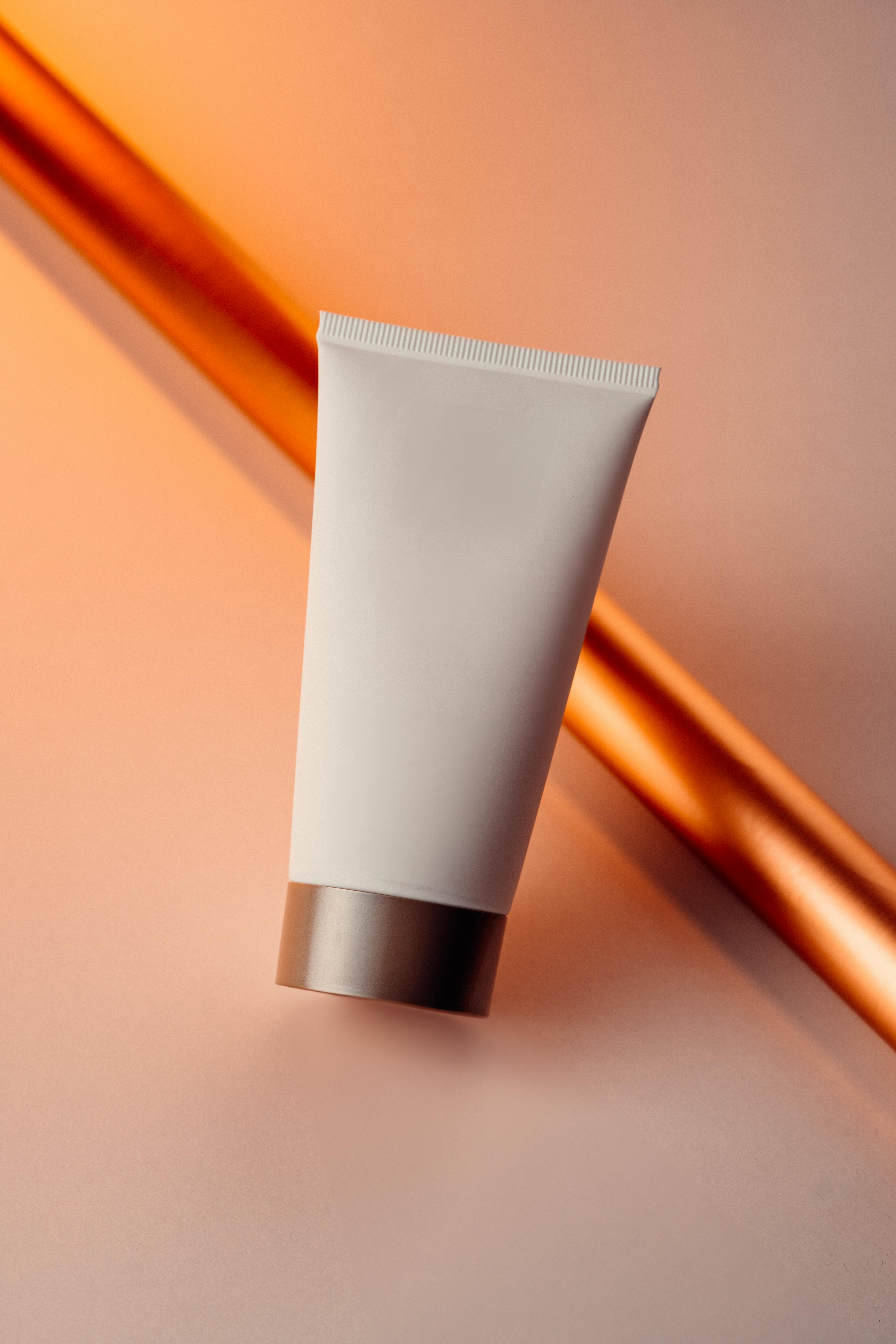
The Gel Facial Cleanser category is designed for consumers who prefer a gel-style consistency.
Gel products can differ considerably in thickness, formulation and packaging. The word gel describes a broad physical format rather than one standardized product experience.
Some products are packaged in tubes, while others use pumps or other dispensing systems.
Tube Packaging
Tubes can be practical for everyday storage and travel. Their compact structure makes them easy to place inside personal-care bags.
Pump Packaging
Pump bottles can be useful when a cleanser is used frequently in one location. The dispensing mechanism can provide a convenient way to access the product.
Professional Comparison
Consumers should examine the consistency described by the manufacturer, formula information, package quantity and directions.
The preferred gel product should ultimately be selected according to personal preference and the role it is expected to perform.
Cream Facial Cleanser

The Cream Facial Cleanser category is intended for shoppers who prefer a cream or lotion-style cleansing texture.
Cream cleansers can vary from relatively lightweight textures to richer formulations. For that reason, the product description should be reviewed carefully rather than assuming that every cream cleanser behaves in the same way.
Packaging Options
Cream products may be offered in tubes, bottles or jars. Each format creates a different dispensing and storage experience.
Everyday Convenience
Consumers should consider where the cleanser will be stored and how frequently it will be used. A practical package can make a repeated routine easier to maintain.
Travel Considerations
Compact tubes can be useful for travel because they generally occupy less space than larger containers. However, any product should be packed securely before transportation.
Product Comparison
The best comparison includes texture, quantity, formulation information, packaging and usage directions.
This approach allows consumers to evaluate cream cleansers according to practical characteristics rather than visual design alone.
Oil Facial Cleanser

The Oil Facial Cleanser category offers a cleansing format built around oil-style textures.
Oil cleansers can differ in consistency, packaging and formulation. Some are lightweight liquids, while others may have a thicker balm-like character.
Because products within this category can be formulated differently, consumers should always review the directions associated with the individual product.
Understanding the Format
Oil cleansing products can occupy different positions within personal-care routines. Some consumers incorporate them into multi-stage routines, while others prefer a simpler approach.
There is no need to assume that every oil cleanser should be used identically. The specific product instructions provide the most relevant guidance.
Packaging Security
Liquid and oil-based products require attention to closure design, particularly when they are transported.
A well-designed pump or secure cap can make a significant difference to everyday convenience.
Comparison Criteria
Consumers can compare consistency, package size, closure type, formula information and directions.
This produces a complete product assessment instead of focusing only on the appearance of the bottle.
Micellar Water

Micellar Water is a recognizable liquid cleansing format within the beauty marketplace.
Its water-like consistency clearly separates it from foam, gel, cream and oil formats. This makes it easy to identify within a well-organized online catalog.
Bottle construction is particularly relevant because the product is liquid. The cap, opening and overall container design can influence how convenient the product is to use and transport.
Liquid Product Design
Liquid products are commonly offered in bottles of different sizes. Smaller bottles can be useful for travel, while larger containers may be more suitable for regular home use.
Product Instructions
Different Micellar Water formulas can have different directions. Consumers should therefore follow the instructions provided with the specific product.
Online Comparison
When comparing Micellar Water products, useful factors include quantity, formula information, packaging and intended usage.
The category can be particularly convenient for shoppers who already know they prefer a lightweight liquid format.
Why Texture Matters
Texture is one of the most useful ways to classify facial cleansing products. It affects how a product is dispensed and how it feels during use.
- Foam — lather-oriented texture
- Gel — gel-style consistency
- Cream — cream or lotion texture
- Oil — oil or balm-style consistency
- Liquid — lightweight water-like format
Texture is valuable because consumers often develop clear preferences after using different formats.
A shopper who enjoys gel textures can narrow a large catalog immediately. Another shopper may prefer a cream or oil format.
This does not create a universal ranking. Texture is a personal preference and a product-classification tool rather than a quality score.
Texture and Packaging
The relationship between texture and packaging is also important. Liquid products often use bottles, while thicker products may use tubes, pumps or jars.
The dispensing system should match the physical characteristics of the product.
Texture and Routine Convenience
The best format is often the one that integrates smoothly into the existing routine.
A product that is easy to dispense, store and transport can be more practical than one that creates unnecessary complexity.
Formula and Ingredient Awareness
Professional product research should include attention to formulation information. Product names and marketing descriptions provide an introduction, but detailed information provides a stronger basis for comparison.
Read the Ingredient List
The ingredient list provides a complete view of the listed formulation components. Consumers who have specific ingredient preferences should review the complete information rather than focusing on one highlighted ingredient.
Review Product Directions
Directions can clarify how a particular cleanser is intended to be applied and used.
Consider Formula Positioning
Product descriptions may mention characteristics such as fragrance-free, hydrating, foaming or other positioning terms. These descriptions should be considered alongside the complete product information.
Compare Similar Formulas
When comparing products, it is usually more useful to compare products within the same category. A gel cleanser can be compared with other gel cleansers, while an oil cleanser can be compared with other oil-based options.
Use promotional descriptions for discovery, but use product specifications and ingredient information for detailed evaluation.
This distinction can make online shopping more transparent and can help consumers avoid making decisions based entirely on advertising language.
Packaging and Product Design
Packaging is not simply decoration. It determines how a product is stored, dispensed, transported and incorporated into a daily routine.
Pump Bottles
Pump bottles can provide quick access to liquid or gel products. They are particularly useful when the cleanser is used repeatedly in one location.
Tubes
Tubes are compact and can be convenient for travel. They are also common among cream and gel-style products.
Flip-Top Bottles
Flip-top closures can offer a simple dispensing method and are frequently used for liquid or gel products.
Jars
Jars provide direct access to the product and may be used for certain cream or balm-style formats.
Travel Design
Travel places additional importance on package security. A container that is easy to store and securely closed can be more convenient during transportation.
Consumers should therefore evaluate packaging according to their actual environment rather than choosing solely according to visual appearance.
Creating an Organized Cleansing Routine
A professional skincare routine does not need to be complicated. In many cases, organization is more valuable than simply increasing the number of products.
- Identify the role of the cleanser.
- Choose the preferred texture.
- Review formula information.
- Read the product directions.
- Compare package sizes.
- Evaluate packaging convenience.
- Give every product a clear role.
This framework helps reduce unnecessary duplication.
For example, purchasing another cleanser that performs essentially the same role may add complexity without providing a meaningful benefit to the overall product collection.
Different formats can coexist when each has a clear purpose.
Organize by Routine Position
Products can be organized according to when they are used.
Organize by Format
Foam, gel, cream, oil and liquid products can be separated for easier access.
Organize by Location
Everyday products can be kept in the primary bathroom area while travel products can be stored separately.
The result is a cleaner and more understandable product collection.
Morning Cleansing Strategy
Morning routines often benefit from simplicity and consistency. A cleanser that is easy to access and dispense can make the beginning of the day more organized.
Consumers can choose among different formats depending on their established preferences. Some may prefer a foaming format, while others may select a gel, cream, oil or liquid product.
The practical goal is to use the selected product consistently according to its directions.
Keep Morning Products Accessible
Daily products should be placed where they are easy to reach. This reduces unnecessary searching and makes the routine more efficient.
Choose Practical Packaging
A pump bottle may be convenient for repeated use, while a tube may be better suited to a compact storage area.
Avoid Unnecessary Complexity
A routine does not become automatically better because it contains more products. Each cleanser should have a clear reason for being included.
Evening Cleansing Strategy
Evening routines may involve more product steps depending on personal preferences and daily activities.
Some consumers may choose Micellar Water, an oil-based cleanser or another facial cleanser format as part of their evening routine.
The specific product instructions should determine how a product is used.
Every additional cleansing product should have a clearly understood role instead of being added simply because it is popular.
This approach makes the routine easier to understand and makes product purchases more deliberate.
Review the Collection Regularly
Consumers can periodically review the products they own and identify which ones are actively being used.
Products that duplicate the same function may be separated from the main routine.
This type of organization also makes it easier to determine what should actually be purchased next.
Travel and Portable Skincare
Travel changes the practical requirements of skincare packaging. Space, weight and closure security become more important when products leave the home.
Compact Size
Smaller containers can reduce the amount of space required in a travel bag.
Secure Closures
Secure caps and pumps can help reduce the risk of leakage during transportation.
Simple Routine
A focused product collection can make packing and organization easier.
Tubes are often convenient for travel because they can be compact and easy to store.
Liquid products require additional attention to closure security and applicable transportation requirements.
Travel can also reveal which products are genuinely essential. A simplified routine may be easier to manage when space is limited.
Travel Organization
Keeping facial cleansers together in one toiletry bag can make them easier to locate.
Products should be packed in a way that minimizes pressure on pumps and closures.
Consumers should also consider whether a product is available in a smaller package before taking a large container on a short trip.
Evaluating Product Value
Professional product evaluation should not rely on price alone. A complete value assessment considers several measurable factors.
| Factor | Question to Ask |
|---|---|
| Price | What is the total purchase cost? |
| Quantity | How much product is included? |
| Function | What role does the cleanser perform? |
| Texture | Does the format match personal preference? |
| Formula | What formulation information is available? |
| Packaging | Is the container convenient for regular use? |
| Instructions | Are the usage directions clear? |
Two products with similar prices may provide different quantities or packaging experiences.
Likewise, a larger package is not automatically the right choice if the consumer does not expect to use the product frequently.
The most useful comparison therefore combines price with quantity, function and practical convenience.
Smart Online Shopping
Online beauty shopping becomes much easier when category navigation is used strategically.
Rather than beginning with a large catalog containing hundreds of unrelated products, consumers can start with the broad Beauty & Health category and progressively narrow their search.
A shopper can then move toward Facial Cleanser and finally choose a preferred texture such as foam, gel, cream or oil.
Use Descriptive Categories
Specific categories reduce browsing time and make the product catalog easier to understand.
Compare Similar Products
Products should be compared with other products that perform a similar function. This produces more meaningful results.
Read the Product Page
Category names are useful for discovery, but the product page contains more detailed information about quantity, formula, packaging and directions.
Check Multiple Characteristics
A product should be evaluated according to several factors rather than one promotional statement.
This structured process creates a better online shopping experience and makes the final purchase more deliberate.
Common Selection Mistakes
Choosing Only by Appearance
Beautiful packaging can attract attention, but it does not provide enough information to evaluate a cleanser.
Ignoring Quantity
Price comparisons can become misleading when package size is not considered.
Assuming One Texture Is Universally Better
Foam, gel, cream, oil and liquid are different formats. Personal preference and product requirements determine which format is appropriate for an individual routine.
Buying Duplicate Products
Consumers should identify the role of a new cleanser before adding it to an existing collection.
Ignoring Directions
Usage directions are part of the product specification and should be reviewed carefully.
Following Every Trend
Trends can help consumers discover new products, but popularity should not replace product research.
“What specific role will this product add to my existing routine?”
This question encourages practical decision-making and can reduce unnecessary purchases.
Professional Product Comparison
A consistent comparison framework allows consumers to evaluate several products without being distracted by branding or visual presentation.
Function
Determine what role the product is designed to perform.
Texture
Identify the physical format and whether it matches preference.
Formula
Review available formulation and ingredient information.
Quantity
Compare the amount of product supplied.
Packaging
Evaluate dispensing, storage and portability.
Instructions
Review the manufacturer's directions for use.
This framework can be used across every facial cleansing format.
For example, several foaming cleansers can be compared by examining their dispensing systems, package sizes, formula information and directions.
Gel cleansers can be compared using similar criteria, with additional attention to consistency and packaging.
Cream and oil products can be evaluated using the same framework without creating a universal ranking between the categories.
Micellar Water can also be compared through quantity, bottle design, formula information and intended use.
Building a Modern Skincare Collection
A modern skincare collection should be organized around function rather than quantity.
Consumers can begin with a broad Beauty & Health category, identify facial cleansing needs, select a preferred format and then choose individual products based on detailed specifications.
Different formats can coexist successfully when each has a meaningful role.
Clear purpose + preferred texture + useful formulation information + practical packaging + appropriate quantity.
Keep Product Roles Clear
Every cleanser should have a reason for being part of the collection.
Reduce Duplication
Multiple products with nearly identical roles can make a routine unnecessarily complicated.
Organize Products by Frequency
Frequently used products should be easy to access, while occasional products can be stored separately.
Prepare for Travel
A dedicated travel selection can make packing faster and more efficient.
A well-organized product collection also makes future shopping easier because consumers understand what they already own.
The Future of Beauty Product Discovery
Online beauty commerce is becoming increasingly dependent on strong category structures, detailed product information and clear navigation.
As product catalogs become larger, simply placing thousands of items on one page is no longer an efficient shopping experience.
Consumers need logical paths from general discovery to specialized categories.
Facial cleansing provides an excellent example. A broad Beauty & Health collection can lead to Facial Cleanser and then branch into Foaming Facial Cleanser, Gel Facial Cleanser, Cream Facial Cleanser, Oil Facial Cleanser and Micellar Water.
This structure allows consumers to move through the catalog according to their own knowledge level.
Category-Based Discovery
Categories allow shoppers to discover products without needing to know the exact name of a product in advance.
Texture-Based Discovery
Texture categories provide an additional layer of filtering.
Educational Content
Articles and guides can explain category differences and help readers understand product terminology.
Contextual Linking
When links are placed naturally within relevant content, readers can move directly from educational information toward related product categories.
This creates a connected digital shopping environment where educational content supports discovery without interrupting the reader's experience.
The long-term value of a well-organized beauty website is therefore not only the number of products it contains. Organization, usability, information quality and logical navigation are equally important.
Frequently Asked Questions
What is Beauty & Health?
Beauty & Health is a broad product category covering beauty, personal-care and related products, including facial cleansing products.
What is a Facial Cleanser?
Facial Cleanser is a general category covering facial cleansing products available in several textures and formats.
What is Foaming Facial Cleanser?
It is a facial cleansing format associated with foam or lather-oriented application.
What is Gel Facial Cleanser?
It is a facial cleanser presented in a gel-style texture.
What is Cream Facial Cleanser?
It is a facial cleansing product presented with a cream or lotion-like consistency.
What is Oil Facial Cleanser?
It is an oil-based facial cleansing format available in different formulations and textures.
What is Micellar Water?
Micellar Water is a liquid cleansing format available in different formulations and bottle sizes.
How should I choose a facial cleanser?
Start with the intended function, choose the preferred format, and compare formula information, quantity, packaging and directions.
Does more foam mean better quality?
No. Foam is an application characteristic and should not be treated as a universal measurement of product quality.
Why does texture matter?
Texture influences the application experience and can help consumers narrow their product search.
Why should package size be compared?
Different products can contain different quantities, so price should be considered together with package size.
Does packaging matter?
Yes. Packaging affects dispensing, storage, portability and everyday convenience.
Can different cleanser formats be used in one collection?
Different formats can coexist when each has a clear and useful role within the consumer's routine.
Should popularity determine product selection?
Popularity can support product discovery, but formula information, packaging, quantity and personal preference should also be considered.
Why is Micellar Water different from gel cleanser?
The two categories use different physical formats. Micellar Water is a liquid format, while gel cleanser is based around a gel-style consistency.
Why should product directions be reviewed?
Directions explain how the manufacturer intends the individual product to be used.
How can duplicate purchases be avoided?
Identify the specific role a new product will add before purchasing it and compare that role with products already owned.
What is a professional way to compare cleansers?
Compare function, texture, formula, quantity, packaging and directions instead of relying on a single promotional characteristic.
SEO Information
Primary Keyword: Beauty & Health
Secondary Keywords: Facial Cleanser, Foaming Facial Cleanser, Gel Facial Cleanser, Cream Facial Cleanser, Oil Facial Cleanser, Micellar Water.
Related Keywords: skincare products, facial cleansing, beauty products, skincare routine, facial care, personal care, cleanser products, beauty shopping, skincare collection, cleansing products.
Long-Tail Keywords: professional facial cleansing guide, how to choose a facial cleanser, facial cleanser comparison, Foaming Facial Cleanser guide, Gel Facial Cleanser guide, Cream Facial Cleanser guide, Oil Facial Cleanser guide, Micellar Water guide, modern skincare product guide.
Meta Title: The Complete Modern Guide to Facial Cleansing | Beauty & Health
Meta Description: Explore a professional guide to facial cleansing products, including Facial Cleanser, Foaming Facial Cleanser, Gel Facial Cleanser, Cream Facial Cleanser, Oil Facial Cleanser and Micellar Water.
Article Language: English
Text Direction: LTR
Article Format: Responsive HTML
Image Format: Seven different product-focused images without people.
Link Structure: 18 contextual backlinks distributed throughout the article, including 11 keyword links and 7 clickable image links.
Comments
Post a Comment