The Professional Guide to Modern Facial Cleansing: Formats, Formulas, Product Selection and Smarter Beauty Shopping
- The Evolution of Modern Facial Cleansing
- Professional Product Selection
- Product Specifications, Functions and Features
- Understanding the Modern Beauty Category Structure
- Facial Cleanser as the Core Category
- Foaming Facial Cleanser
- Gel Facial Cleanser
- Cream Facial Cleanser
- Oil Facial Cleanser
- Micellar Water
- Texture and Consumer Experience
- Formula and Ingredient Evaluation
- Packaging and Dispensing Systems
- Building an Organized Cleansing Routine
- Morning Product Organization
- Evening Product Organization
- Travel-Friendly Cleansing Products
- How to Evaluate Product Value
- Smarter Online Beauty Shopping
- Common Product Selection Mistakes
- A Professional Comparison Framework
- Building a Practical Beauty Collection
- The Future of Beauty Product Discovery
- Frequently Asked Questions
- SEO Information
The Evolution of Modern Facial Cleansing

Facial cleansing has developed into one of the most recognizable areas of modern personal care. The category is no longer limited to a small group of traditional face-washing products. Today's beauty marketplace contains multiple textures, dispensing systems, formulations, package sizes and product concepts, giving consumers a much broader range of choices.
The wider Beauty & Health category provides a logical starting point for exploring personal-care products and related skincare options. From there, consumers can move into specialized facial cleansing categories according to the type of product they want.
This category-based structure is particularly valuable for online shopping. A shopper may know that a cleanser is needed but may not yet know whether a foam, gel, cream, oil or liquid format is preferred. A well-organized catalog allows that decision to happen naturally rather than forcing the shopper to understand every product type before beginning.
Modern consumers also have access to more product information than ever before. Product descriptions can contain information about texture, quantity, packaging, directions and formulation. Images can show bottle shapes, dispensing systems and overall presentation. Reviews, where available, can add another layer of consumer experience.
The result is a shopping environment in which information architecture becomes nearly as important as the products themselves. A large catalog without logical organization can be difficult to navigate, while a clearly structured catalog can guide a consumer from broad discovery to specific product selection.
Start with the product's intended role, then evaluate texture, formula, package size, dispensing method and practical convenience. Visual presentation should support the decision rather than replace product research.
This principle is equally valuable for beauty publishers, retailers and content creators. Educational content can introduce consumers to product terminology while contextual links allow them to continue toward relevant commercial categories.
A strong content strategy therefore does not need to rely on repetitive promotional language. It can provide useful explanations, clear comparisons and logical pathways to related products.
The modern cleansing market rewards clarity. Consumers want to understand what they are buying, how the product differs from similar options and where it belongs within a broader routine.
Professional Product Selection
Professional product selection begins with a simple question: what role should the cleanser perform within the consumer's routine? This question is more useful than choosing a product solely because it has attractive packaging or prominent advertising.
Once the intended role is understood, the selection process becomes easier. Consumers can decide whether they want a broad facial cleanser, a foam-oriented product, a gel texture, a cream texture, an oil format or a liquid cleansing solution.
Start With the Product Function
Function provides the foundation for product comparison. The consumer should understand what the product is designed to do before examining secondary characteristics.
Choose the Preferred Format
Texture is an efficient way to narrow a large catalog. Foam, gel, cream, oil and liquid products offer distinctly different physical formats and dispensing experiences.
Review Product Information
The individual product page should be used to review formulation details, package quantity, directions and other specifications supplied by the manufacturer or retailer.
Consider Packaging
Packaging affects everyday convenience. A pump bottle, tube, jar or flip-top container can create a different experience depending on where and how the product is used.
Think About the Complete Routine
A new cleanser should have a clear purpose. If a consumer already owns several products serving the same role, purchasing another similar item may add unnecessary complexity.
Function
Identify the intended role before comparing individual products.
Texture
Select a physical format that matches personal preference.
Formula
Review available formulation and ingredient information.
Quantity
Compare the amount of product rather than price alone.
Packaging
Evaluate dispensing, storage and portability.
Routine Fit
Make sure the product has a clear position within the existing routine.
This six-part framework can be applied to nearly every cleanser category. It creates a consistent method for comparing products and makes online shopping more deliberate.
For large catalogs, this approach is especially useful because it reduces the number of products that need to be considered at each stage.
Product Specifications, Functions and Features
| Product Category | Typical Format | General Function | Common Packaging | Important Comparison Points |
|---|---|---|---|---|
| Facial Cleanser | Multiple textures | General facial cleansing | Tube, bottle, pump | Formula, texture, quantity, directions |
| Foaming Facial Cleanser | Foam or lather | Foam-oriented cleansing format | Foam pump or bottle | Dispensing system, formula, quantity |
| Gel Facial Cleanser | Gel | Gel-format cleansing | Tube or pump | Consistency, formula, packaging |
| Cream Facial Cleanser | Cream or lotion | Cream-format cleansing | Tube, bottle or jar | Texture, quantity, dispensing |
| Oil Facial Cleanser | Oil or balm-like | Oil-format cleansing | Pump or bottle | Consistency, closure, directions |
| Micellar Water | Liquid | Liquid cleansing format | Bottle | Formula, quantity, cap design |
The table is designed as a category-level comparison. Individual products within the same category can have significantly different formulas, packaging and directions.
That distinction is important when shopping online. A category page helps consumers discover the right type of product, while an individual product page should provide the detailed information required for the final purchase decision.
The most effective product research therefore uses both levels: category discovery first and detailed product evaluation second.
Understanding the Modern Beauty Category Structure
A professional online beauty catalog should allow consumers to move from general discovery toward increasingly specific product choices.
The structure can begin with Beauty & Health, continue to Facial Cleanser and then divide into specialized formats such as foam, gel, cream, oil and micellar water.
This approach creates a hierarchy that is easy for both users and search engines to understand. More importantly, it matches the way consumers naturally make purchasing decisions.
Beauty & Health → Facial Cleanser → Product Format → Product Specifications → Purchase Decision
The structure also creates opportunities for contextual internal linking. An article explaining a particular cleanser format can naturally point readers toward the corresponding category page.
For example, a section discussing gel textures can direct a reader toward the Gel Facial Cleanser category.
This is more useful than inserting unrelated links. The link is connected directly to the subject being discussed and gives the reader an obvious next step.
A strong category structure can also reduce the amount of time required to locate products. Instead of browsing an enormous collection, the shopper can progressively filter the catalog according to their preferences.
Facial Cleanser as the Core Category
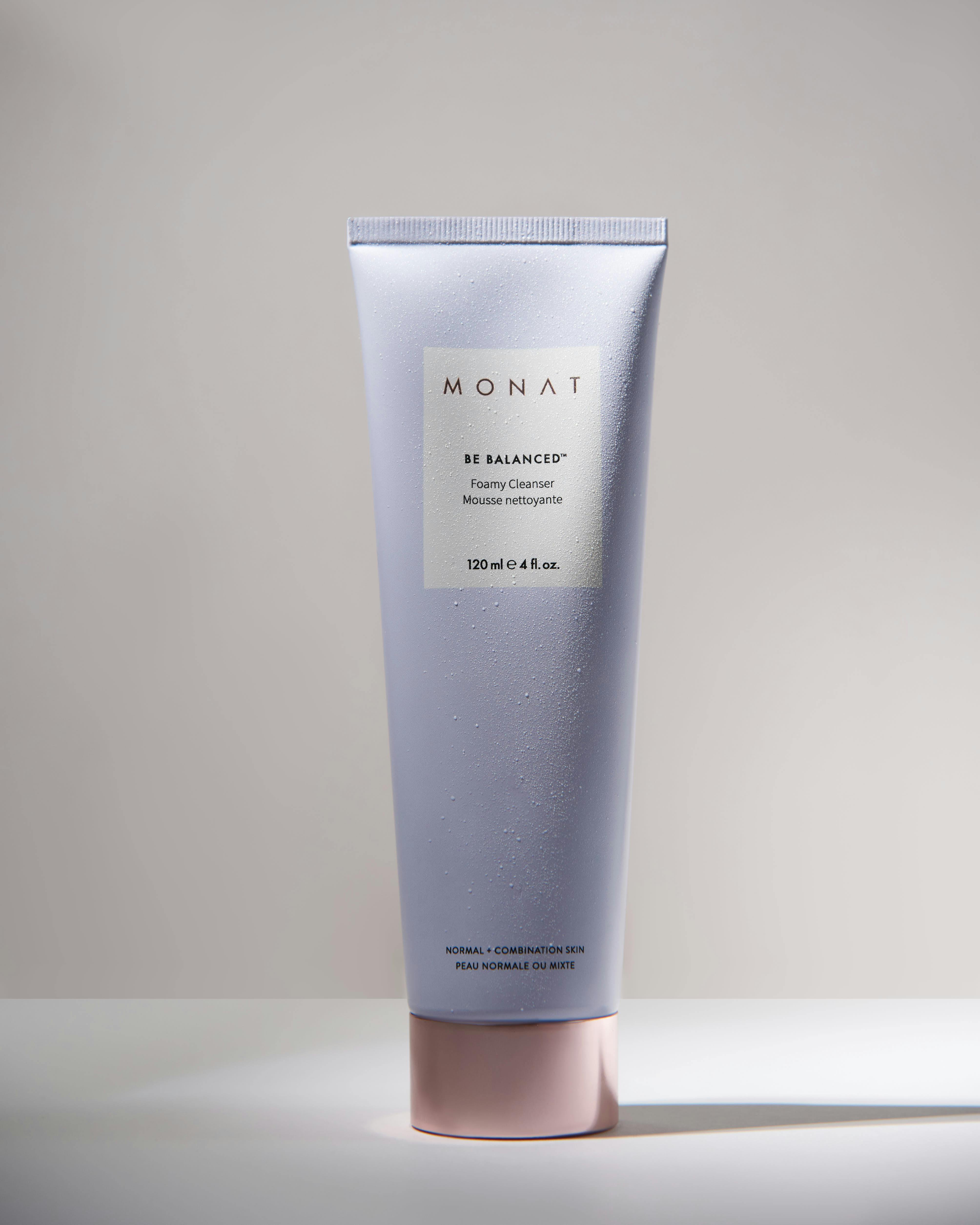
The Facial Cleanser category represents the central discovery point for consumers who want a facial cleansing product but have not yet decided which texture is most appropriate for their preferences.
A broad category is useful because it allows consumers to compare multiple formats before narrowing their selection.
Someone familiar with skincare terminology may immediately know which format they want. Another consumer may need to compare several textures first. Both shopping behaviors can be supported by a well-designed category structure.
Broad Discovery
Broad categories introduce consumers to the range of products available. They are particularly useful for new shoppers or anyone who is reconsidering their routine.
Specialized Filtering
After exploring the broad category, consumers can move toward specialized product formats.
Detailed Product Evaluation
Once a preferred category has been identified, the individual product page becomes the most important source of information.
The consumer can compare package size, formula information, texture description, dispensing system and directions.
This two-stage approach is one of the most efficient ways to shop a large beauty catalog.
Foaming Facial Cleanser
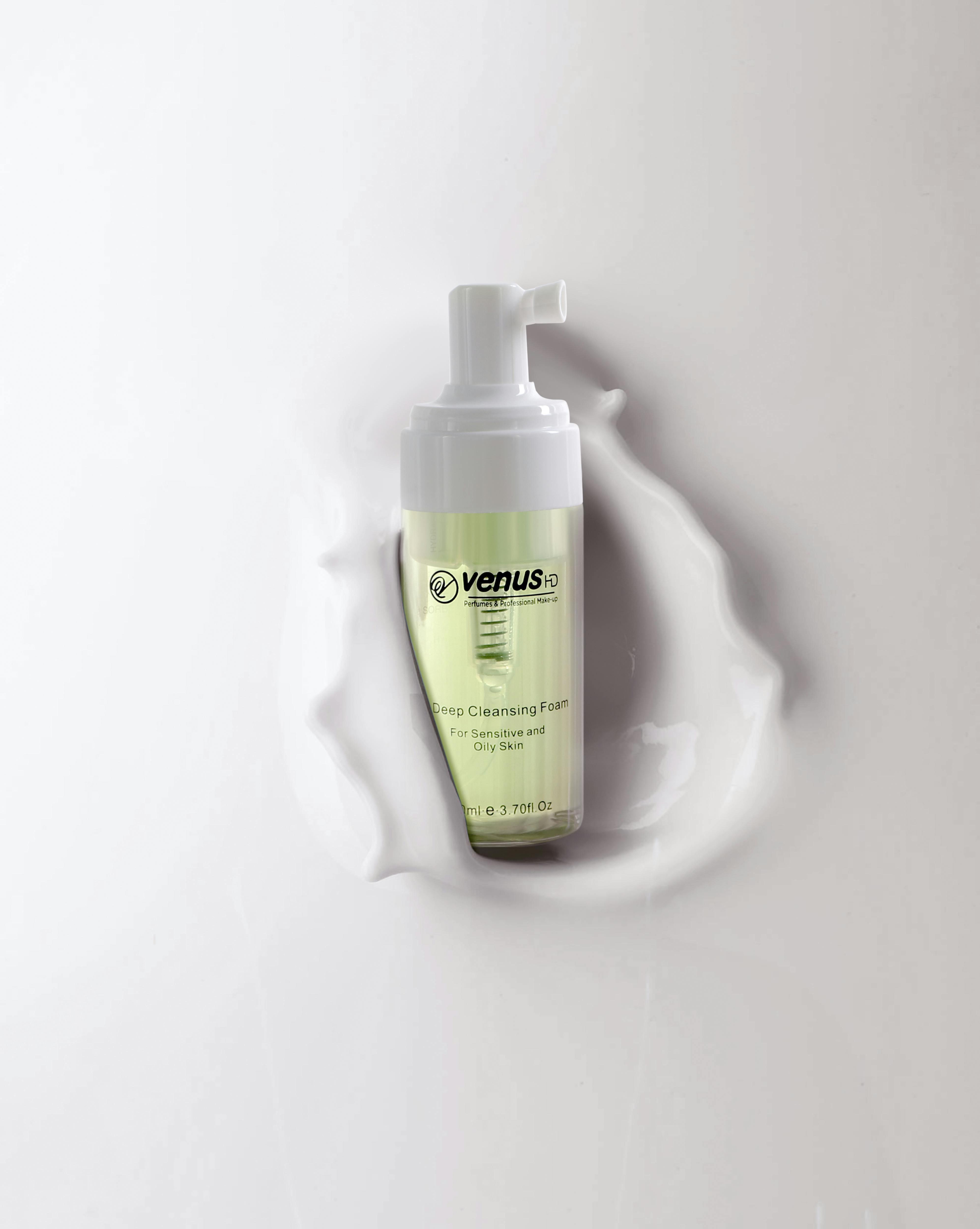
The Foaming Facial Cleanser category focuses on products associated with a foam or lather-oriented cleansing experience.
Foaming products can be delivered through different dispensing systems. Some products are designed to come out as foam, while others begin as a liquid or gel and produce lather during application.
This distinction makes the product description important. The category name establishes the general format, but the individual product page should be checked for exact dispensing instructions.
Foaming Dispensers
Foaming pump systems are designed to dispense a prepared foam texture. Their operation can be convenient for consumers who prefer a ready-to-use foam format.
Packaging Efficiency
The size and design of the container can influence how easily the product fits into a bathroom or travel bag.
Product Comparison
Consumers can compare package quantity, dispenser design, formulation information, directions and overall product positioning.
Foam should be treated as a format characteristic rather than an automatic indicator of product quality. A professional comparison looks at the complete product.
This is particularly important because two products can belong to the same category while offering different formulas and packaging experiences.
Gel Facial Cleanser
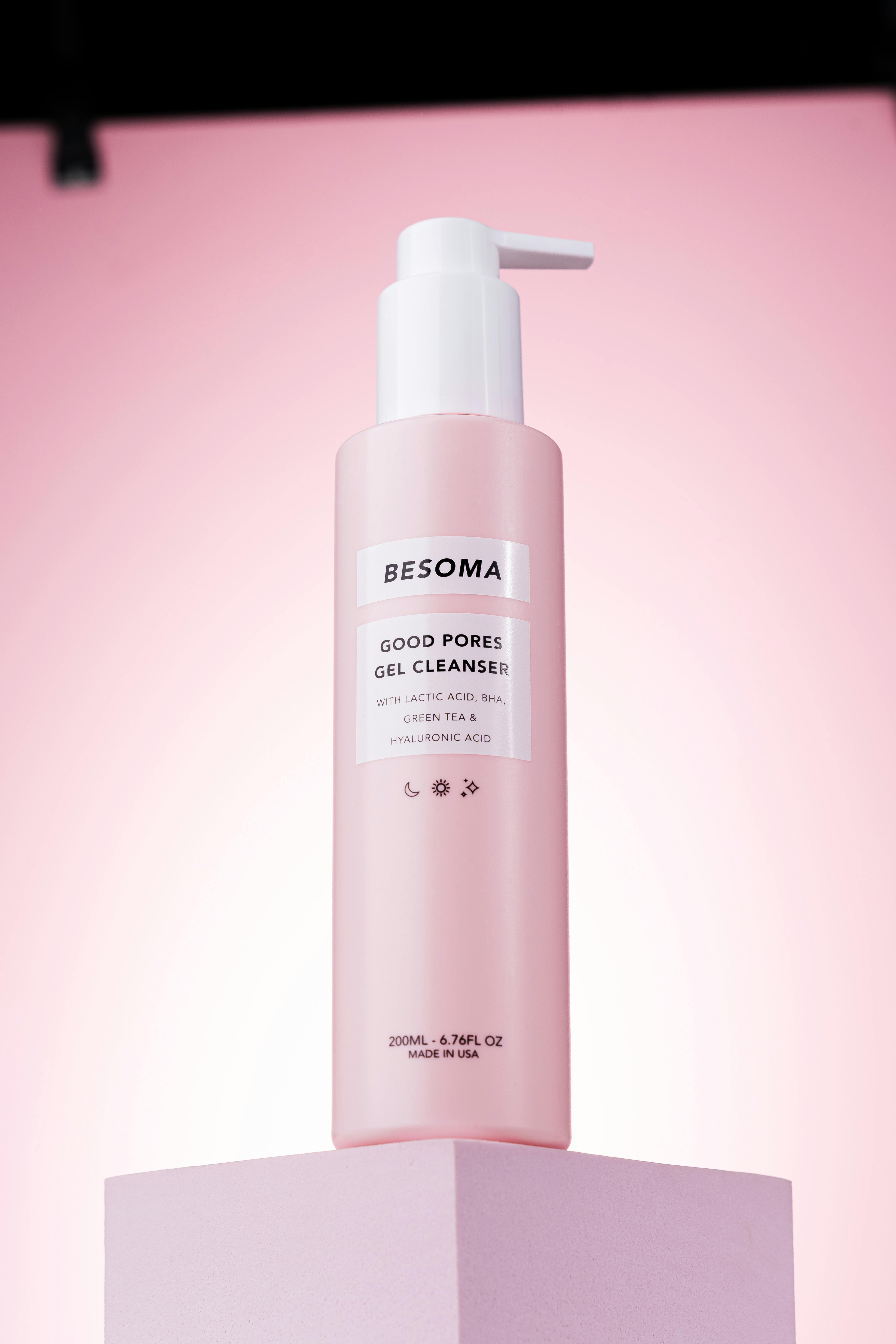
The Gel Facial Cleanser category is intended for consumers who prefer a gel-style consistency.
The word gel describes a physical product format rather than one universal formula. Gel cleansers can vary in thickness, ingredients, packaging and dispensing systems.
Tube-Based Gel Cleansers
Tube packaging is compact and practical for many bathroom and travel environments. It can also make it easier to control how much product is dispensed.
Pump-Based Gel Cleansers
Pump packaging can be convenient for frequent home use. The dispensing mechanism provides a quick way to access the product.
Comparing Gel Products
A professional comparison should consider consistency, formula information, package size, dispensing system and directions.
Consumers should also evaluate whether the product fits naturally into the existing routine.
The category is especially useful for online shopping because it allows consumers who already know their preferred texture to bypass unrelated product formats.
A well-organized gel category therefore provides both a better user experience and a more focused product discovery path.
Cream Facial Cleanser
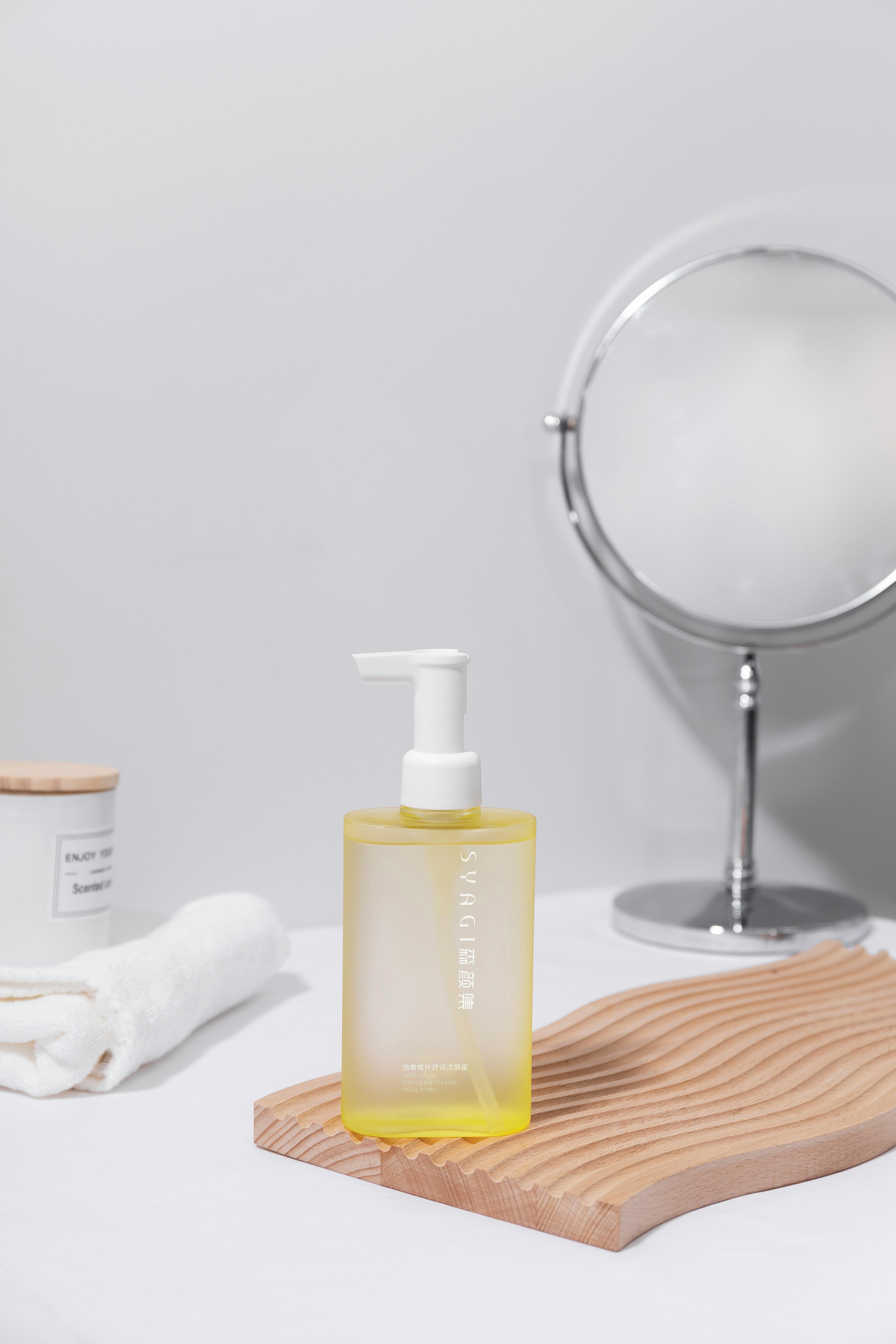
The Cream Facial Cleanser category is designed for shoppers who prefer a cream or lotion-style cleansing texture.
Cream cleansers can vary considerably in consistency. Some are lightweight, while others have a richer texture. Because the category includes multiple formulations, the product description and individual specifications remain important.
Tube Packaging
Tubes can provide compact storage and may be particularly practical for consumers who want a product that is easy to transport.
Bottle Packaging
Bottles can offer convenient dispensing for products used regularly in a fixed location.
Jar Packaging
Some thicker cream or balm-style products may use jars. The consumer should consider storage, dispensing and hygiene preferences when comparing these formats.
Cream products should be compared according to their texture, quantity, formula information, packaging and directions rather than by appearance alone.
This category also demonstrates why product terminology is valuable in online shopping. A consumer who prefers a cream texture can immediately narrow a large catalog.
Oil Facial Cleanser
The Oil Facial Cleanser category represents a cleansing format based around oil-style textures.
Oil cleansers can differ substantially from one another. Some have lightweight liquid textures, while others can have a thicker or balm-like consistency.
The product's exact directions should always be reviewed because different formulas can have different usage instructions.
Oil Texture
The texture is one of the defining characteristics of this category. Consumers who already know they prefer oil-based products can use the category as a targeted discovery point.
Packaging Considerations
Oil-based products are commonly offered in bottles or pump containers. Secure closures can be especially important when products are stored or transported.
Comparing Oil Cleansers
Consumers can compare consistency, package size, closure type, formula information and usage directions.
The category should be viewed as a product-format choice rather than a universal recommendation for every consumer.
A professional shopping strategy recognizes that different consumers may prefer different formats and focuses on matching the product with the intended routine.
Micellar Water
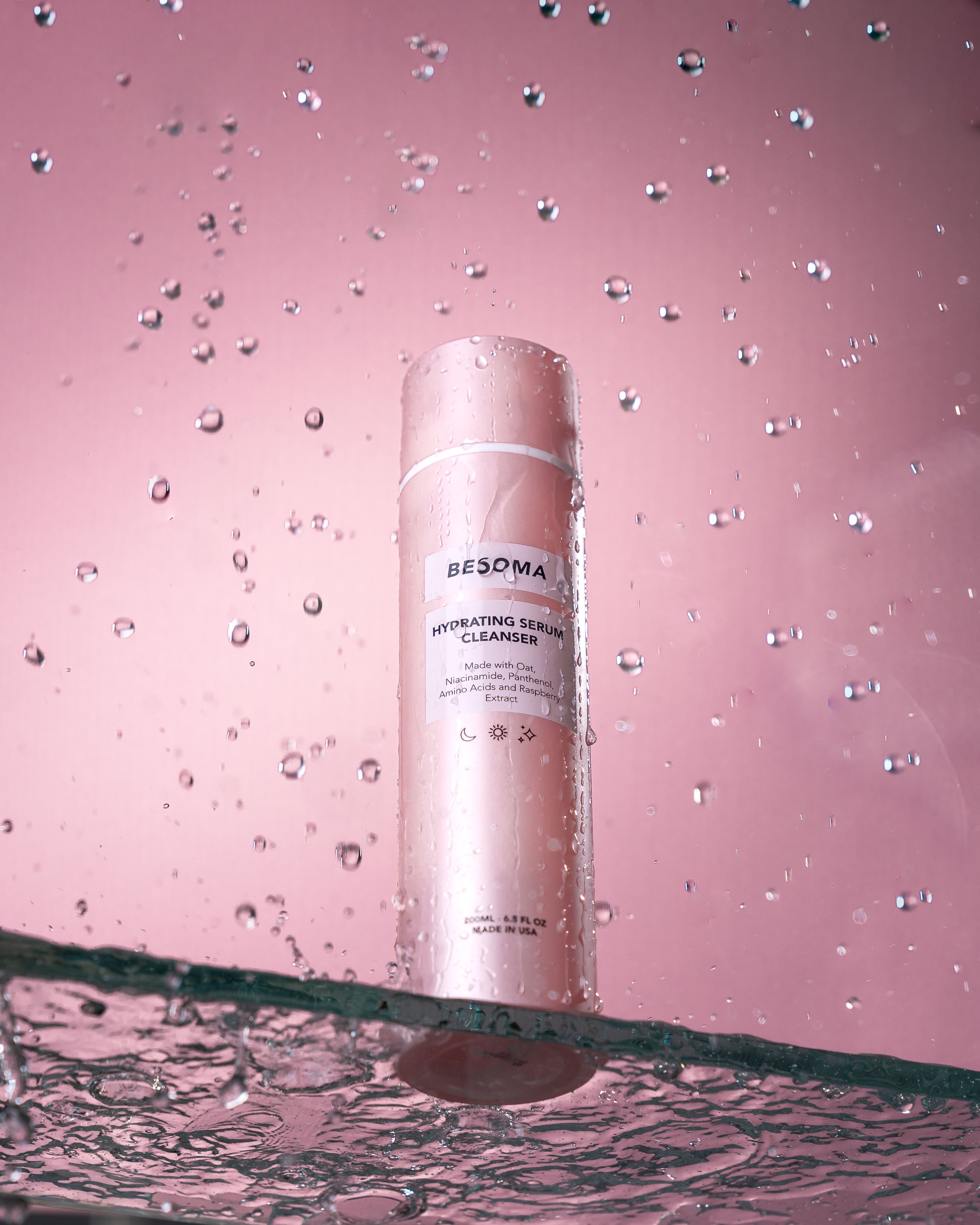
Micellar Water is a recognizable liquid cleansing format within the beauty market.
Its water-like consistency separates it visually and physically from foam, gel, cream and oil products.
Bottle design is especially relevant because the product is liquid. The cap, opening and overall container structure can influence convenience and portability.
Liquid Product Design
Micellar Water is commonly packaged in bottles of different sizes. Smaller packages can be useful for travel, while larger containers may be convenient for regular home use.
Directions Matter
Different formulas can have different directions. Consumers should follow the instructions associated with the specific product rather than assuming that every liquid cleanser is used in exactly the same way.
Comparing Micellar Water Products
Useful comparison points include quantity, formula information, bottle design, closure system and intended use.
The category is particularly useful for shoppers who already know they prefer a lightweight liquid format.
Texture and Consumer Experience
Texture is one of the most practical ways to classify facial cleansing products. It affects the dispensing process and contributes to the overall sensory experience.
- Foam — lather-oriented product format
- Gel — gel-style consistency
- Cream — cream or lotion-style texture
- Oil — oil or balm-style consistency
- Liquid — lightweight water-like format
Consumers often develop strong preferences for certain textures. Some may prefer the quick dispensing of foam, while others may prefer the smooth consistency of a gel or cream.
Texture is therefore an effective shopping filter. Instead of evaluating hundreds of products at once, consumers can first decide which physical format is most appealing.
Texture and Packaging
Product texture and packaging are closely connected. A thin liquid may require different packaging from a dense cream or a product designed to dispense as foam.
The dispensing system should be compatible with the physical characteristics of the formula.
Texture and Routine Simplicity
A preferred texture can also make a routine feel more organized. When a product is easy to dispense and store, repeated use can become more convenient.
The important principle is not that one texture is universally superior. Instead, the right format depends on personal preference, product instructions and the intended role of the cleanser.
Formula and Ingredient Evaluation
Professional product research should include attention to formulation information. Marketing language can introduce a product, but detailed specifications provide a stronger basis for comparison.
Read the Ingredient Information
Consumers with particular ingredient preferences should review the complete ingredient information supplied for the individual product.
Read the Directions
Usage directions explain how the manufacturer intends the product to be applied and incorporated into a routine.
Understand Product Positioning
Product descriptions may highlight characteristics such as foaming, moisturizing, fragrance-free or other positioning terms. These statements should be considered together with the full product information.
Compare Similar Formulas
The most meaningful comparisons are usually between products with similar functions and textures.
For example, several gel cleansers can be compared against one another based on formula information, package quantity and dispensing system. The same method can be applied to cream, foam, oil and liquid formats.
Use marketing descriptions for discovery, but use specifications, ingredient information and directions for detailed product evaluation.
This approach encourages more informed shopping and reduces dependence on a single promotional statement.
Packaging and Dispensing Systems
Packaging is a functional part of the product experience. It determines how a cleanser is stored, dispensed and transported.
Pump Bottles
Pump bottles can provide convenient access to liquid or gel products. They can be particularly useful for products that are used frequently in one location.
Foam Pumps
Foam pumps are designed to dispense products in a foam format. They are commonly associated with foaming facial cleanser products.
Tubes
Tubes are compact and easy to store. They can be particularly practical for gel and cream formats.
Flip-Top Bottles
Flip-top closures provide a straightforward dispensing method and can be used with different liquid and gel products.
Jars
Jars provide direct access to the product and may be used for thicker cream or balm-like formats.
Packaging should therefore be evaluated according to the consumer's environment. A product stored permanently beside a bathroom sink may have different packaging requirements from a cleanser intended to travel frequently.
This is why package design belongs among the core comparison factors rather than being treated as a purely visual feature.
Building an Organized Cleansing Routine
A professional skincare routine does not need to become complicated. The most useful approach is to assign a clear role to each product.
- Define the cleanser's intended role.
- Select the preferred texture.
- Review the formula information.
- Read the product directions.
- Compare package quantities.
- Evaluate dispensing and storage.
- Keep duplicate products to a minimum.
This framework prevents the routine from becoming a collection of unrelated purchases.
Different cleanser formats can coexist when they serve different purposes within a consumer's routine. However, several products with essentially identical roles may simply increase complexity.
Organize by Frequency
Products used frequently should be kept within easy reach, while occasional products can be stored separately.
Organize by Format
Consumers who own multiple cleanser formats can separate foam, gel, cream, oil and liquid products for easier identification.
Organize by Location
Everyday products can remain in the primary bathroom area, while travel products can be kept in a separate toiletry collection.
The result is a cleaner and more understandable product environment.
Morning Product Organization
Morning routines often benefit from simplicity and easy access. A cleanser that can be located and dispensed quickly can make the routine more organized.
Consumers can select among foam, gel, cream, oil or liquid formats according to their established preferences and the instructions associated with the selected product.
Keep Daily Products Accessible
Products used regularly should be stored where they are easy to reach.
Use Practical Packaging
Pump bottles may be convenient for repeated use, while tubes can work well in compact storage spaces.
Avoid Unnecessary Steps
A routine does not automatically become better by adding more products. Each item should have a clear purpose.
This philosophy helps consumers create routines that are easier to understand and maintain.
The best shopping decision is therefore not always the product with the most complicated positioning. Practicality, consistency and clear product information remain important.
Evening Product Organization
Evening routines can contain more product steps depending on individual preferences and daily activities.
Some consumers may incorporate Micellar Water, oil-based products or another cleanser format into their evening routine.
The exact role of each product should be clear, and the individual product instructions should guide its use.
Every cleanser should have a clearly understood role rather than being added simply because it is popular or visually appealing.
Review Existing Products
A periodic review of the existing collection can reveal which products are used regularly and which ones have become unnecessary.
Reduce Duplication
If several products provide essentially the same function, consumers can decide whether all of them are genuinely needed.
Prepare the Next Purchase
Understanding what is already available makes future shopping easier. Instead of browsing without a clear objective, the consumer can search for a specific product type or texture.
Travel-Friendly Cleansing Products
Travel changes the practical requirements of skincare packaging. Space, weight, portability and closure security become more important when products are transported.
Compact Packaging
Smaller containers can reduce the amount of space required inside a toiletry bag.
Secure Closures
Secure caps and pumps are useful when products are carried between locations.
Simple Product Selection
A focused travel routine can reduce packing time and unnecessary duplication.
Tubes can be practical for travel because they are compact and easy to store. Smaller bottles can also be useful when available.
Liquid products require particular attention to closure security. A container that is appropriate for a bathroom counter may require additional protection during transportation.
Build a Travel Collection
A dedicated travel collection can make packing more efficient. Consumers can select the products they actually use while away rather than moving an entire home collection into a travel bag.
Protect the Packaging
Products should be packed in a way that reduces unnecessary pressure on pumps and closures.
A well-organized travel collection is another example of how product selection should be based on practical use rather than appearance alone.
How to Evaluate Product Value
Product value should not be judged by price alone. A professional comparison considers several measurable characteristics.
| Evaluation Factor | Professional Question |
|---|---|
| Price | What is the total purchase cost? |
| Quantity | How much product is included? |
| Function | What role does the product perform? |
| Texture | Does the format match the preferred experience? |
| Formula | What formulation information is provided? |
| Packaging | Is the container convenient for regular use? |
| Directions | Are the product instructions clear? |
Two products may have similar prices while containing different quantities. Similarly, a larger container may not represent better practical value if the consumer uses the product infrequently.
A complete value assessment therefore considers price together with quantity, function, packaging and personal preference.
This framework is particularly useful when comparing products from different categories. Instead of asking which cleanser is universally better, the consumer can ask which product provides the characteristics required for the intended use.
Smarter Online Beauty Shopping
Online beauty shopping becomes more efficient when consumers use categories strategically.
Rather than beginning with a large collection of unrelated products, shoppers can begin with the broader Beauty & Health category and progressively narrow their search.
From there, the consumer can identify Facial Cleanser products and then move toward a preferred format.
Use Category Filters
Category filters can reduce the number of products that need to be reviewed. Texture is particularly useful because it immediately separates several major cleanser formats.
Compare Similar Products
A meaningful comparison usually involves products with similar functions. Comparing a liquid cleanser with an oil-based product can be useful for general discovery, but a detailed comparison may be clearer when products share a similar role.
Read Product Specifications
Product pages can provide information about quantity, formula, packaging and directions that may not be visible from category pages.
Look Beyond Visual Design
Professional product selection should not depend exclusively on packaging color, bottle shape or promotional photography.
Images are useful for understanding presentation and packaging, but specifications provide the information needed for a more complete evaluation.
This method creates a more efficient shopping journey and helps consumers make decisions based on relevant information.
Common Product Selection Mistakes
Choosing Only by Packaging
Attractive packaging can create interest, but it cannot provide enough information to evaluate a cleanser properly.
Ignoring Quantity
Comparing prices without checking package size can produce misleading conclusions.
Assuming One Texture Is Universally Better
Foam, gel, cream, oil and liquid are different product formats. Personal preference and intended use should determine the choice.
Buying Duplicate Products
Consumers should identify the role of a new cleanser before adding it to an existing collection.
Ignoring Directions
Usage instructions are part of the product specification and should be reviewed.
Following Every Trend
Trends can introduce consumers to new products, but they should not replace product research.
“What specific role will this product add to my existing routine?”
This question encourages a practical approach and can help reduce unnecessary purchases.
It also gives the consumer a clear reason for moving from one category to another.
A Professional Comparison Framework
A consistent comparison framework allows consumers to evaluate products without being distracted by branding or visual presentation.
Function
Identify what role the cleanser is designed to perform.
Texture
Determine the physical format and whether it matches preference.
Formula
Review available formulation and ingredient information.
Quantity
Compare the amount of product included.
Packaging
Evaluate dispensing, storage and portability.
Directions
Review the manufacturer's instructions for use.
This framework can be applied to every cleanser category.
For example, several foaming products can be compared according to their dispensing systems, package sizes, formulas and instructions.
Gel products can be compared using the same framework, with additional attention to consistency and container design.
Cream products can be assessed according to texture, quantity and packaging, while oil products can be examined according to consistency, closure and directions.
Micellar Water can be evaluated through bottle design, liquid format, quantity and formula information.
The benefit of this system is consistency. Instead of changing the evaluation method for every product, consumers use the same core criteria throughout the catalog.
Building a Practical Beauty Collection
A modern beauty collection should be organized around function rather than quantity.
Consumers can begin with a broad Beauty & Health collection, identify facial cleansing needs, choose a preferred format and then evaluate individual products according to detailed specifications.
Different cleanser formats can coexist when each one has a clear role.
Clear purpose + preferred texture + useful formula information + practical packaging + appropriate quantity.
Keep Product Roles Clear
Each cleanser should have a reason for being part of the collection.
Reduce Duplication
Several products with nearly identical roles can make the routine unnecessarily complicated.
Organize by Frequency
Frequently used products should remain easy to access, while occasional products can be stored separately.
Prepare for Travel
A smaller travel collection can make packing more efficient.
This organization also improves future shopping decisions. When consumers know exactly what they already own, they can identify what is missing rather than purchasing products randomly.
The Future of Beauty Product Discovery
The future of online beauty shopping will depend heavily on organization, discoverability and detailed product information.
As catalogs become larger, simply displaying thousands of products is not enough. Consumers need meaningful pathways that allow them to move from broad discovery to specific product types.
Facial cleansing provides a clear example. A consumer can begin with Beauty & Health, move into Facial Cleanser and then select a specialized format such as foam, gel, cream, oil or Micellar Water.
This structure allows consumers with different levels of product knowledge to navigate the same catalog.
Category-Based Discovery
Broad categories introduce shoppers to the overall product ecosystem.
Format-Based Discovery
Specialized categories help consumers narrow the search according to texture.
Educational Content
Professional articles can explain product terminology and help consumers understand differences between formats.
Contextual Linking
Relevant links can connect educational information with corresponding product categories, allowing readers to continue their research naturally.
This creates a connected shopping environment where content is not simply promotional. It becomes a navigation layer that helps users understand the catalog.
The long-term strength of a beauty website is therefore determined by more than the number of products available. Clear categories, useful information, logical navigation and strong product presentation all contribute to a better digital experience.
For consumers, this means less time searching through irrelevant products and more time evaluating options that genuinely match their preferences.
For retailers and publishers, it creates an opportunity to build durable topical content around product categories and related search terms.
Frequently Asked Questions
What is Beauty & Health?
Beauty & Health is a broad category containing beauty, personal-care and related products, including facial cleansing products.
What is a Facial Cleanser?
Facial Cleanser is a broad category covering facial cleansing products available in several textures and formats.
What is a Foaming Facial Cleanser?
It is a facial cleansing format associated with foam or lather-oriented application.
What is a Gel Facial Cleanser?
It is a facial cleanser presented in a gel-style consistency.
What is a Cream Facial Cleanser?
It is a facial cleansing product presented in a cream or lotion-style texture.
What is an Oil Facial Cleanser?
It is a facial cleansing format based around an oil-style texture or formulation.
What is Micellar Water?
Micellar Water is a liquid cleansing format available in different formulations and bottle sizes.
How should I choose a facial cleanser?
Start with the intended function, choose a preferred texture, then compare formula information, quantity, packaging and directions.
Does more foam automatically mean better quality?
No. Foam is a product-format characteristic and should not be treated as a universal measure of quality.
Why does texture matter?
Texture affects the product experience and can help consumers narrow their search within a large catalog.
Why should package size be compared?
Different products can contain different quantities, so price should be considered alongside package size.
Does packaging matter?
Yes. Packaging affects dispensing, storage, portability and everyday convenience.
Can different cleanser formats be part of one collection?
Yes. Different formats can coexist when each product has a clear role within the consumer's routine.
Should popularity determine product selection?
Popularity can help with discovery, but formula information, quantity, packaging and personal preference should also be considered.
Why is Micellar Water different from a gel cleanser?
Micellar Water is a liquid format, while a gel cleanser is based around a gel-style consistency.
Why should product directions be reviewed?
Directions explain how the manufacturer intends the individual product to be used.
How can duplicate purchases be avoided?
Identify the role of the new product and compare it with products already owned before purchasing.
What is a professional way to compare cleansers?
Compare function, texture, formula, quantity, packaging and directions rather than relying on one promotional characteristic.
SEO Information
Primary Keyword: Beauty & Health
Secondary Keywords: Facial Cleanser, Foaming Facial Cleanser, Gel Facial Cleanser, Cream Facial Cleanser, Oil Facial Cleanser, Micellar Water.
Related Keywords: facial cleansing, skincare products, beauty products, skincare routine, facial care, personal care, cleanser products, beauty shopping, skincare collection, cleansing products.
Long-Tail Keywords: professional facial cleansing guide, how to choose a facial cleanser, facial cleanser comparison, Foaming Facial Cleanser guide, Gel Facial Cleanser guide, Cream Facial Cleanser guide, Oil Facial Cleanser guide, Micellar Water guide, modern skincare product guide.
Meta Title: The Professional Guide to Modern Facial Cleansing | Beauty & Health
Meta Description: Discover a professional guide to modern facial cleansing, including facial cleansers, foaming, gel, cream, oil cleansers and micellar water, with practical product selection and smarter beauty shopping.
Article Language: English
Text Direction: LTR
Article Format: Responsive HTML
Image Requirement: All seven article images are product-focused and selected without people.
Backlink Structure: 18 contextual backlinks distributed throughout the article, consisting of 11 keyword backlinks and 7 clickable image backlinks.
Comments
Post a Comment